
The conference table looks clean at 9 a.m. By lunch, it has collected hands, phones, coffee spills, food crumbs, and a steady stream of shared use. That is why businesses need a clear routine to sanitize shared workspaces instead of relying on occasional wipe-downs when a space starts to look dirty.
A clean shared workspace supports a better first impression, helps employees and visitors feel more comfortable, and keeps everyday mess from becoming a bigger maintenance problem. For office managers, property managers, and small business owners, the goal is not to turn staff into cleaning crews. It is to create a practical system that keeps common areas consistently clean, presentable, and ready for use.
What Sanitizing Shared Workspaces Really Means
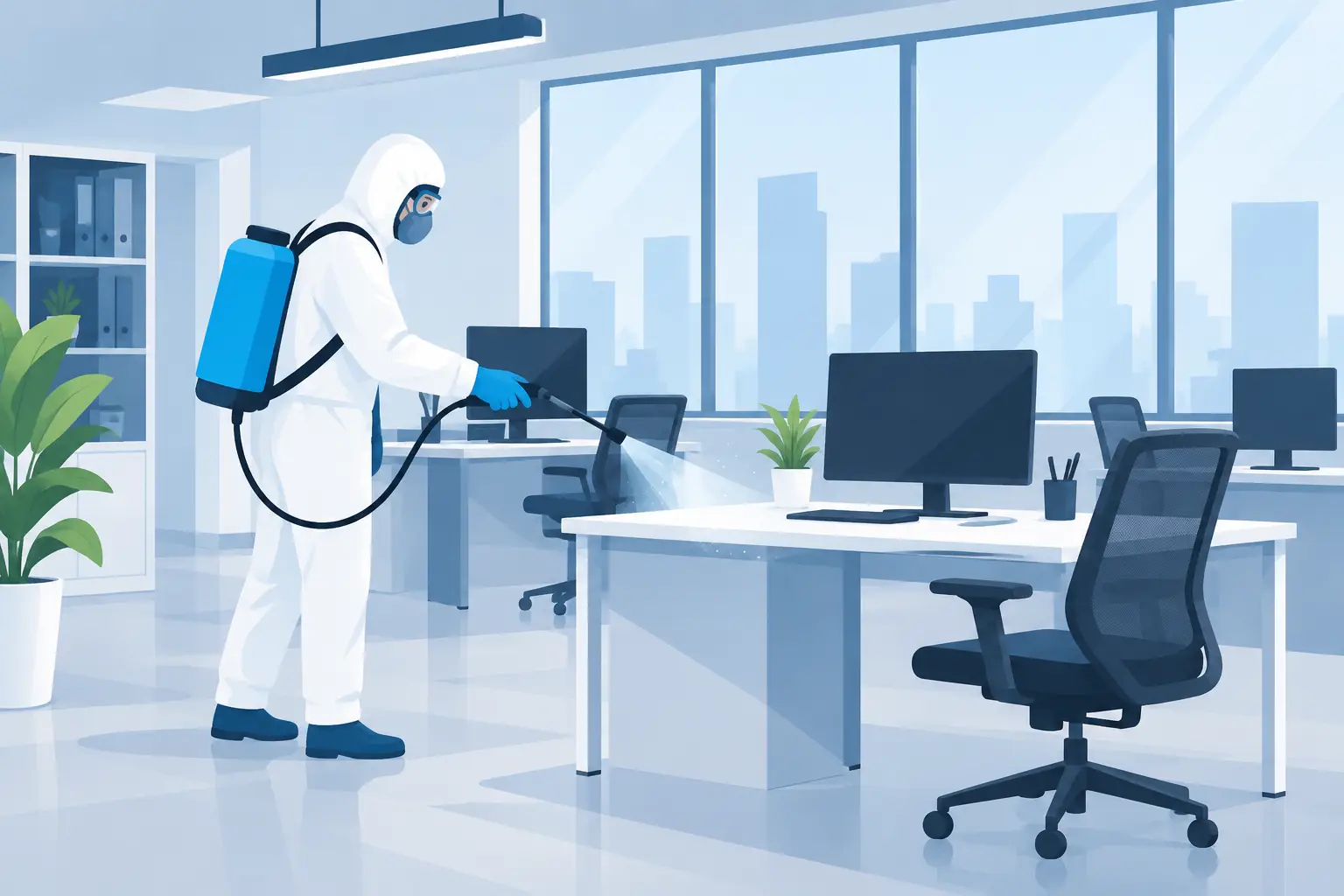
Cleaning, sanitizing, and disinfecting are often used as if they mean the same thing. They do not. Cleaning removes visible soil, dust, crumbs, and residue from a surface. Sanitizing reduces certain germs on a cleaned surface to safer levels. Disinfecting is a stronger process designed to kill or inactivate more germs, but it must be done with the right product and contact time.
For most shared workspaces, all three may have a place. A reception desk with fingerprints needs cleaning first. A shared break room counter may need regular sanitizing. A restroom, a sick-day cleanup, or a high-traffic office during illness concerns may call for disinfecting according to the product label.
The key is not using the strongest chemical everywhere. It is using the right process for the surface, the level of traffic, and the type of contamination. Overusing harsh products can damage finishes, leave residue, and create unnecessary odors. Under-cleaning creates a space that looks neglected even when the floors have been vacuumed.
Start With the Surfaces People Touch Most
A reliable routine begins with high-touch points. These are the surfaces many people contact throughout the day, often without noticing. In a typical office or shared commercial area, that includes door handles, light switches, elevator buttons, reception counters, shared keyboards, copier controls, cabinet pulls, conference room tables, chair arms, refrigerator handles, faucet handles, toilet flush levers, and break room appliances.
Shared devices deserve special attention. Keyboards, mice, desk phones, touch screens, and tablets can carry fingerprints, skin oils, and food residue. They also need careful handling. Never spray liquid directly onto electronics. Apply an approved cleaner or disinfecting product to a cloth first, follow the equipment manufacturer’s directions, and avoid soaking seams or ports.
Do not forget the areas that affect how clean the whole space feels. Glass entry doors, lobby tables, waiting-room chairs, microwave handles, trash can lids, and coffee stations can quickly make a professionally maintained workspace look unfinished when they are smudged or sticky.
Build a Schedule That Matches Real Foot Traffic
The right cleaning frequency depends on how the space is used. A quiet office with a small team will not need the same attention as a medical-adjacent office, busy real estate agency, coworking space, salon, or rental property common area.
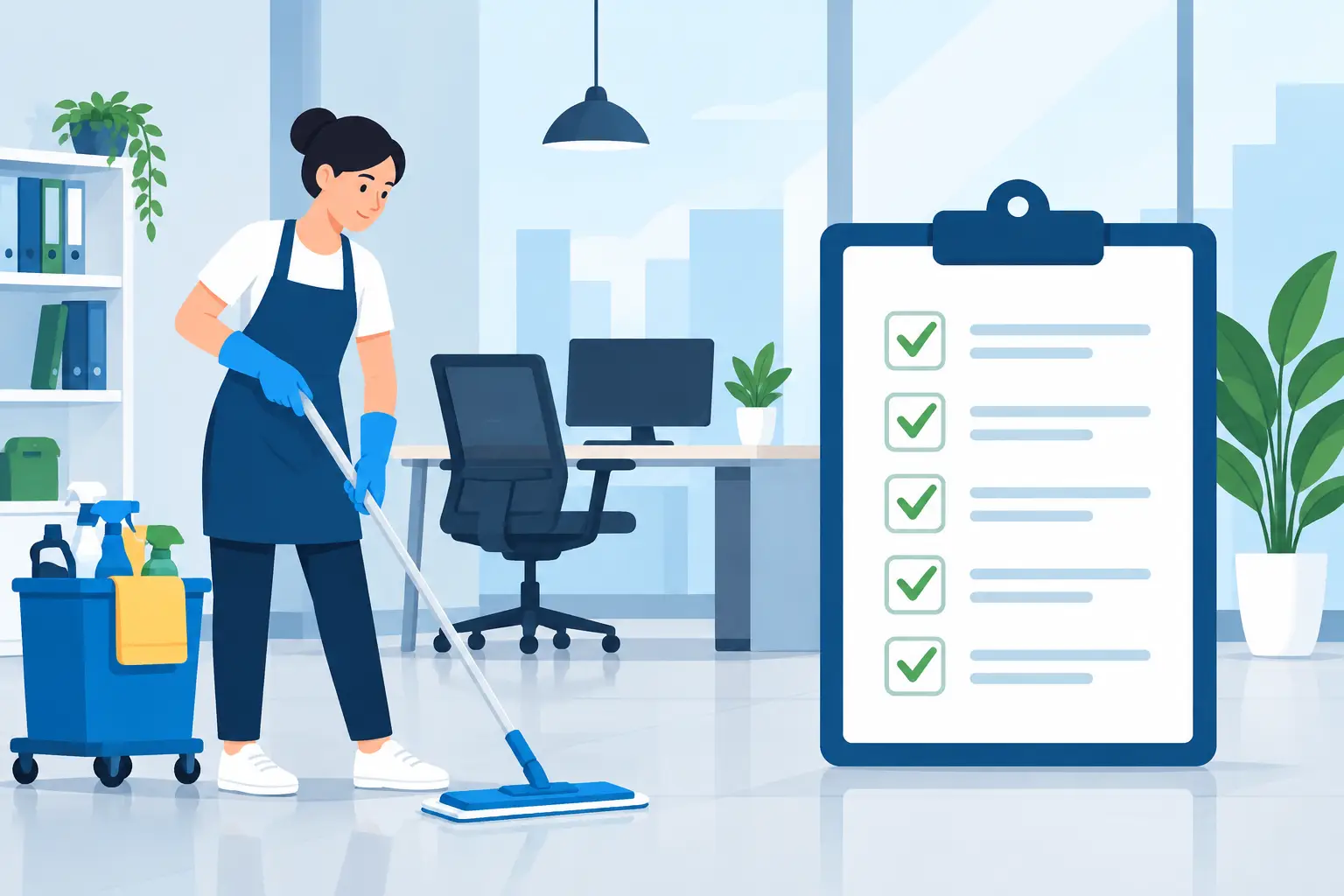
At a minimum, high-touch shared surfaces should be cleaned daily. Restrooms, break rooms, entryways, and reception areas may need service more than once a day when there is heavy traffic. Conference rooms should be reset after meetings, especially when food or outside visitors are involved.
A useful approach is to separate work into three layers. Daily service handles visible mess, trash, restrooms, touch points, and floor care. Weekly service reaches deeper, including baseboards, furniture edges, detailed dusting, interior glass, and less obvious buildup. Periodic deep cleaning addresses areas that do not receive attention during normal maintenance, such as upholstery, vents, wall marks, grout, and hard-to-reach corners.
This structure keeps the workspace from reaching the point where every cleaning visit becomes a recovery job. It also gives managers a predictable standard instead of asking staff to decide what needs attention each day.
Clean First, Then Sanitize or Disinfect
One common mistake is applying a sanitizing or disinfecting product over dust, food residue, or visible grime. Products work best on a clean surface. Wipe away dirt and debris first, then apply the appropriate product according to its instructions.
Contact time matters as well. Many products must remain visibly wet for a specific number of minutes to work as intended. Wiping a surface dry immediately may reduce effectiveness. The label is the instruction, not a suggestion. It tells you which surfaces are appropriate, whether rinsing is required, and how long the product needs to sit.
For food-preparation or break room surfaces, choose products suitable for that use and follow any rinse directions. A clean-looking counter should not carry a chemical residue where employees prepare lunch or coffee.
Give Break Rooms and Restrooms Extra Attention
Break rooms create a high mix of shared touch points, spills, moisture, and food waste. Counters, sinks, refrigerator handles, microwaves, coffee machines, tables, and chair backs should be part of the daily routine. Emptying trash before it overflows is just as important as wiping surfaces. Odor and fruit flies can become a problem quickly when food waste sits too long.
Restrooms require detailed, repeated care because they affect employee comfort and customer confidence. Clean and sanitize or disinfect toilets, sinks, faucets, stall hardware, dispensers, door handles, and floors. Refill soap, paper towels, and toilet tissue before supplies run low. A spotless restroom that is out of soap does not feel well maintained.
In Palm Beach County, humidity can make odors and moisture issues more noticeable, particularly in heavily used restrooms, kitchens, and entry areas during rainy weather. Prompt cleaning, dry floors, and regular trash removal help prevent a clean facility from developing a stale or damp smell.
Make Shared Desks Easier to Maintain
Hot desks and shared stations need a little more structure than assigned desks. People are more likely to clean up after themselves when supplies are visible and expectations are simple. Keep approved wipes or cleaning materials nearby, provide a small waste bin, and set a clear expectation that users remove personal items and food when they leave.
Still, employee wipe-downs should support professional cleaning, not replace it. Busy staff may miss surfaces, use products incorrectly, or focus only on what they can see. A scheduled cleaning service provides consistency across the full workspace, including floors, restrooms, common areas, and details employees do not have time to manage.
If your office has a mix of private offices, shared stations, and client-facing areas, prioritize the common spaces first. Those are the areas with the most touch traffic and the greatest impact on visitors.
Avoid Shortcuts That Create Bigger Problems
Strong fragrance is not proof of cleanliness. Neither is a quick spray over a dirty table or an overflowing trash bin pushed out of sight. Effective sanitation is a process: remove debris, clean the surface, apply the correct product when needed, allow proper contact time, and finish with a check for missed spots.
Be cautious with products on natural stone, unfinished wood, specialty flooring, screens, and delicate upholstery. The wrong cleaner can dull surfaces, leave streaks, or cause permanent damage. When there is uncertainty, test a small hidden area or use a cleaning professional who understands how to treat different materials safely.
Also watch for cross-contamination. Use separate cloths or color-coded tools for restrooms, break rooms, desks, and general surfaces. A cloth used in a restroom should never be used on a conference table, regardless of how clean it appears afterward.
When Professional Cleaning Makes Sense
A professional service is especially useful when your team is stretched thin, your building has heavy visitor traffic, or you need a dependable schedule without managing supplies and checklists internally. Offices, short-term rentals with shared common areas, property management spaces, and post-construction sites all benefit from a process that covers both visible presentation and detailed sanitation.
Roenter Clean can tailor recurring office cleaning or one-time deep cleaning around your hours, traffic patterns, and priority areas. That flexibility matters when you need a clean reception area before clients arrive, a reset after a busy event, or consistent upkeep without interrupting the workday.
The best sanitation routine is one your team can maintain every week, not just during inspections or after a complaint. Keep supplies accessible, assign clear responsibilities, and schedule professional support before buildup starts showing. A shared workspace should feel ready for the next person who walks in – every day, not only after a deep clean.