

A home can look tidy and still need more than a routine visit. That is the practical difference in deep cleaning vs standard cleaning: one keeps a space consistently presentable, while the other addresses buildup, overlooked areas, and the details that make a room feel truly refreshed.
Choosing the right service affects your results, your budget, and how often you need cleaning help. A standard clean is the right fit for many homes and workplaces on a recurring schedule. A deep clean is usually the better starting point after a busy season, a move, renovation work, or a long stretch without professional cleaning.
What Standard Cleaning Is Designed to Do
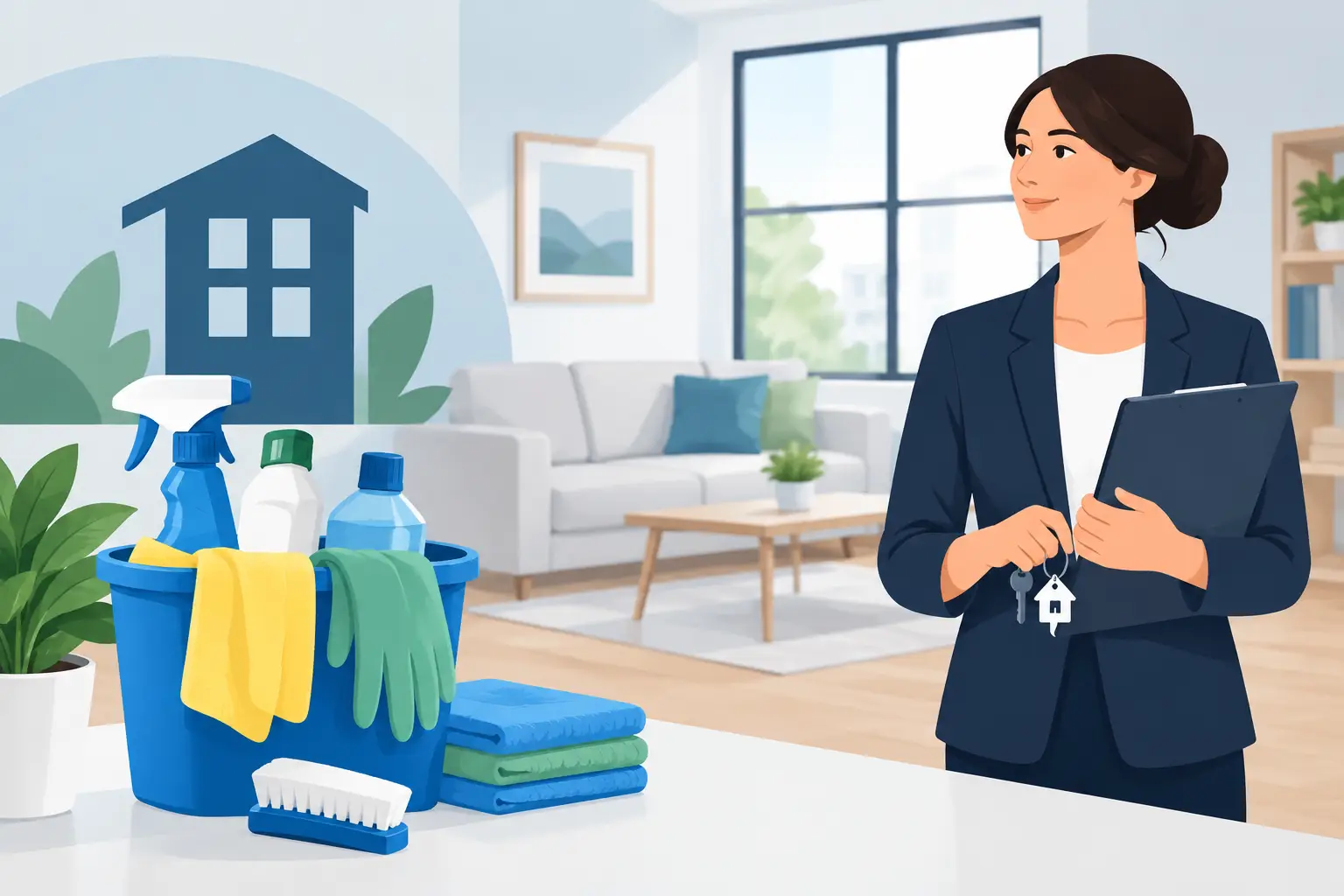
Standard cleaning is regular maintenance. Its purpose is to keep the areas people use every day clean, sanitary, and ready for normal life or business operations. For a homeowner, that means coming back to a fresh kitchen, clean bathrooms, vacuumed floors, and surfaces that are free of everyday dust and crumbs. For an office, it means a professional space that employees and visitors can walk into with confidence.
A typical standard cleaning service focuses on visible, high-use areas. Cleaners generally dust accessible surfaces, wipe counters, clean sinks and toilets, vacuum carpets or rugs, mop hard floors, remove trash, and straighten the space where appropriate. Kitchen and bathroom cleaning are part of the visit, but the work is designed around routine upkeep rather than removing months of residue.
This service works best when cleaning is already happening regularly. Weekly, biweekly, or monthly appointments can prevent dirt from becoming a larger project. The exact frequency depends on household size, pets, children, foot traffic, and how the property is used. A quiet apartment may stay in good shape with monthly service, while a busy family home or client-facing office may need weekly attention.
Standard cleaning is efficient because it assumes the space is reasonably maintained. It does not usually include detailed work inside cabinets, behind large furniture, or on every baseboard and blind. Those tasks require more time and a different scope.
Deep Cleaning vs Standard Cleaning: The Real Difference
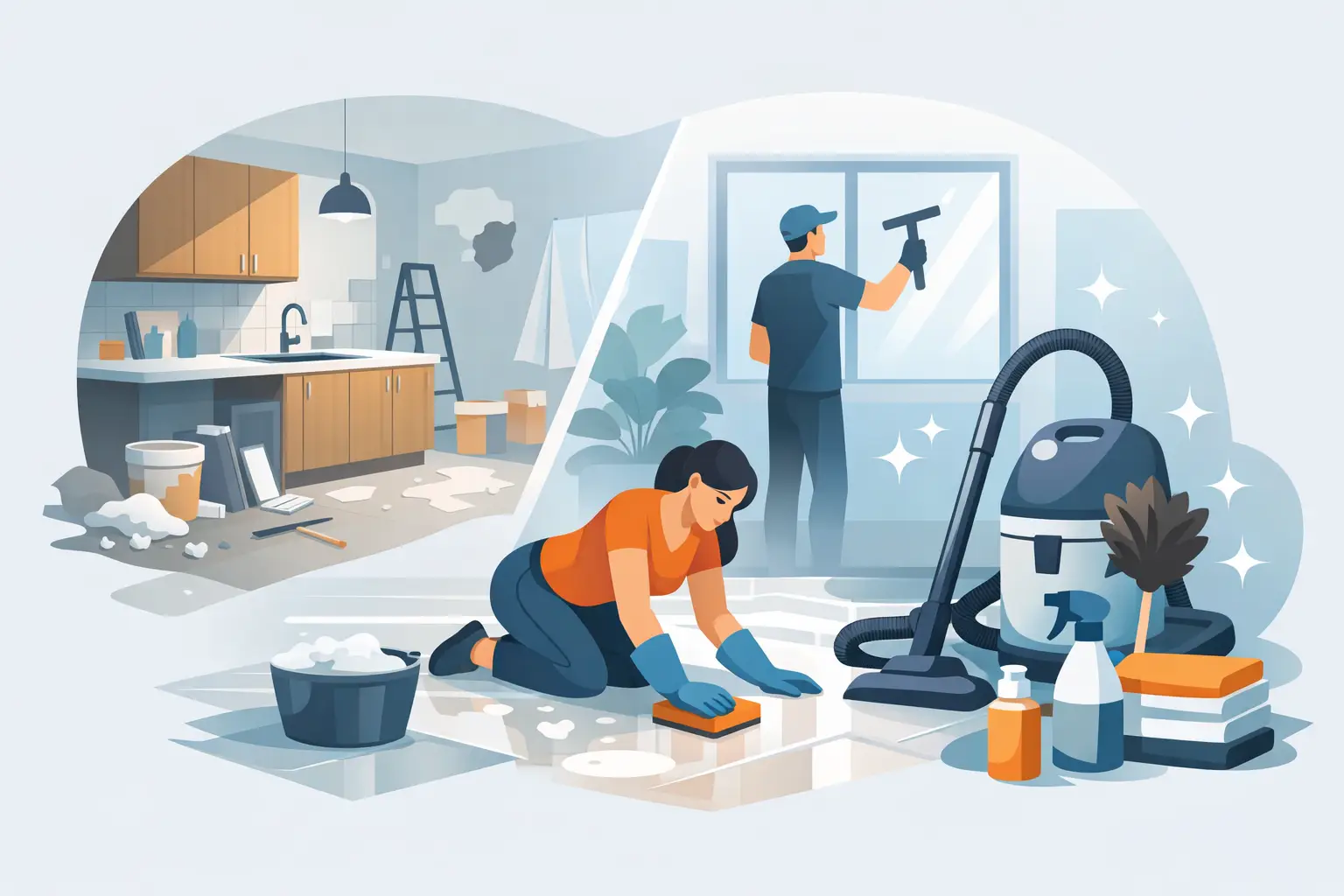
The difference is not simply that deep cleaning takes longer. It is a more detailed, reset-style service that reaches areas routine cleaning does not always cover. Deep cleaning is intended to remove accumulated grime, dust, soap residue, grease, and buildup from places that can be missed during normal maintenance.
In a kitchen, a deep clean may include detailed attention to cabinet fronts, backsplash areas, appliance exteriors, stovetop buildup, and the spaces around or beneath appliances when accessible. In bathrooms, it often means extra work on shower walls, fixtures, grout lines, toilet bases, and corners where moisture and residue collect.
Across the property, deep cleaning commonly includes baseboards, door frames, light switches, vents, window sills, blinds, interior doors, and detailed dusting of accessible surfaces. Floors receive closer attention along edges and in corners. The goal is not just to make the room look clean from the doorway. It is to address the areas that gradually affect the overall condition of the space.
A deep cleaning service is more labor-intensive, so it generally costs more than a standard visit. That added cost reflects the time required to complete detail work correctly. It is often a smart investment before beginning recurring service, since regular appointments are much more effective when the home or office starts from a clean baseline.
When a Standard Clean Is the Right Choice
Choose standard cleaning when your space is already in decent condition and you need dependable upkeep. It is ideal for ongoing household maintenance, regularly used offices, and rental properties that receive consistent care between guests.
For example, an office manager may schedule recurring standard service to keep restrooms, break rooms, floors, and common areas ready for staff and visitors. A homeowner may choose biweekly service to stay ahead of pet hair, bathroom messes, and kitchen cleanup without giving up a weekend to chores.
Standard cleaning also makes sense when you have a specific short-term need but not a heavy buildup problem. If friends are visiting, a listing needs to look presentable, or your workweek has left the house untidy, a routine clean can make a noticeable difference quickly.
The trade-off is simple: standard cleaning maintains results. It may not resolve deep-set soap scum, neglected baseboards, greasy appliance surfaces, or dust that has collected in detailed areas over time.
When You Should Book a Deep Clean
A deep clean is the better choice when a space needs a fresh start. Many clients schedule one before starting a recurring plan, but it is also useful as a one-time service for properties that need extra attention.
Consider a deep cleaning when you are moving into a home, preparing to host family, getting a property ready for new tenants, or reopening an office after a slow season. It is also a strong option after a renovation, although post-construction cleaning may be more appropriate when fine dust, debris, stickers, and contractor residue are involved.
For Airbnb and short-term rental hosts, the decision depends on turnover timing and property condition. Standard turnover cleaning can keep a well-maintained rental guest-ready between stays. A scheduled deep clean, perhaps after a busy season or a longer booking, helps protect the presentation and condition guests notice in photos and reviews.
In humid South Florida conditions, bathrooms, kitchens, entryways, and air vents can show buildup faster than expected. A detailed cleaning can be especially valuable when routine wipe-downs no longer deliver the clean look you want.
What to Expect Before the Appointment
A professional cleaning service should make the scope clear before work begins. Deep cleaning is not identical at every property because the amount of buildup, number of rooms, property size, and condition of kitchens and bathrooms all affect the time required. Clear expectations prevent surprises and help the cleaning team focus on your highest-priority areas.
Before booking, identify what is bothering you most. Maybe it is hard-water residue in the shower, grease in the kitchen, dusty blinds, or floors that never seem fully clean. Mention those concerns when requesting a quote. If there are rooms you do not need serviced, note that as well.
It also helps to pick up personal items, paperwork, clothing, and loose toys before the team arrives. Cleaners can work more efficiently when they have access to surfaces and floors. This is not about making the home clean before a cleaning appointment. It is about allowing the appointment time to go toward actual cleaning rather than organizing belongings.
How to Build the Right Cleaning Plan
For most homes and businesses, the most cost-effective approach is a deep clean followed by recurring standard service. The first appointment handles the detail work and establishes a cleaner baseline. Later visits preserve that result, which can reduce the effort needed at each appointment.
That said, not every property needs a deep clean first. A recently cleaned apartment, a well-managed office, or a newer rental may be ready for standard maintenance immediately. The right choice depends on the condition of the space, not a one-size-fits-all rule.
Roenter Clean helps Palm Beach County homeowners, offices, and rental operators choose a service scope based on the actual condition of the property and the result they need. Whether the job calls for routine upkeep or a detailed reset, clear communication and a final quality check make the difference.
If you are unsure which service to book, look beyond whether the room appears tidy. Ask whether the space is being maintained or whether it needs to be restored. That answer usually points you to the right cleaning plan and a cleaner space you can actually enjoy.