

A clean floor can look perfect and still hold the particles that trigger a stuffy nose, itchy eyes, coughing, or sneezing. So, can cleaning help allergy sufferers? Yes – when cleaning targets the allergens that collect in fabrics, corners, air vents, and moisture-prone areas instead of simply moving dust around.
For Palm Beach County homes, the challenge can be year-round. Pollen comes inside on shoes and through open doors, humidity can encourage mold growth, and pet dander settles into upholstery and rugs. A consistent, detailed cleaning routine can lower exposure inside the home, but the right methods matter as much as the frequency.
Can Cleaning Help Allergy Sufferers? Yes, With the Right Approach
Cleaning does not cure allergies, and it cannot remove every allergen from a home. Allergies are medical conditions, so persistent or severe symptoms should be discussed with a qualified healthcare professional. What cleaning can do is reduce the amount of common triggers resting on surfaces and circulating when people walk, sit, sleep, or turn on the air conditioning.
The biggest indoor triggers are often dust mites, pet dander, pollen, mold spores, and cockroach particles. These are small enough to collect where daily cleaning may miss them: mattress seams, baseboards, blinds, rugs, soft furniture, bathroom grout, and behind appliances.
A quick sweep with a dry duster may make a room appear cleaner while sending fine particles back into the air. For allergy relief, the goal is containment and removal. That usually means using damp microfiber cloths, a vacuum with strong filtration, and methods that remove buildup rather than scatter it.
Start With the Areas Where Allergens Build Up
Not every room needs the same level of attention. Bedrooms deserve priority because people spend hours there each night, often with their face close to pillows, bedding, and upholstered surfaces. Wash sheets and pillowcases regularly in hot water when the fabric allows it. Vacuum around and under the bed, wipe nightstands with a damp microfiber cloth, and do not overlook ceiling-fan blades, window sills, and blinds.
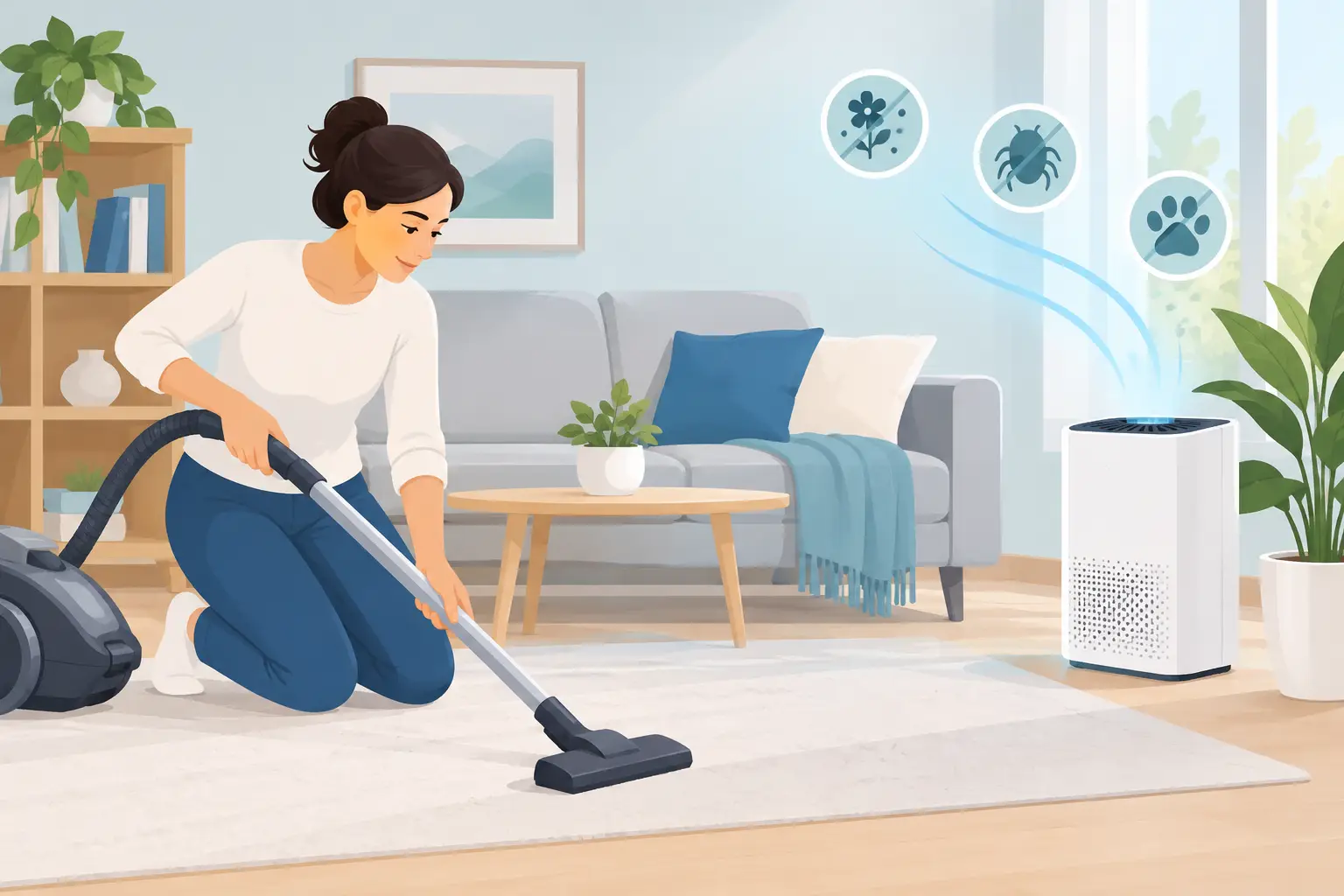
Carpet can trap dust, pollen, and dander deep below the surface. It is not automatically a problem, but it needs more than occasional spot cleaning. Vacuum slowly and thoroughly, especially along walls, under furniture, and in high-traffic pathways. A vacuum with a sealed system and HEPA-grade filtration is generally more effective at keeping fine debris contained than a basic model that exhausts dusty air back into the room.
Upholstered couches, dining chairs, curtains, and area rugs also hold allergens. These materials benefit from routine vacuuming with the right attachment. If a home has pets, focus on the places where they sleep, lounge, or brush against furniture. Pet hair is visible, but the dander attached to it is often the greater concern.
Use Cleaning Methods That Remove Dust Instead of Spreading It
The tools in a cleaning closet can either improve indoor air quality or work against it. Dry feather dusters and aggressive sweeping are fast, but they can push particles into the air. A lightly damp microfiber cloth captures dust from counters, furniture, shelves, doors, and baseboards more effectively.
For hard floors, damp mopping is preferable to dry sweeping. Change the mop water when it becomes cloudy, because dirty water can redeposit soil on the floor. In busy homes, entryways deserve extra attention. Pollen, dirt, and outdoor debris arrive on footwear, pet paws, bags, and sports equipment before spreading to the rest of the house.
Avoid using heavily fragranced sprays just because a room needs to smell fresh. Fragrance and strong chemical fumes can irritate some people with allergies or asthma, even when the product is not the source of the allergy itself. Choose products with clear directions, use the minimum amount needed, and ventilate the area when possible. More product does not mean a cleaner result.
Control Humidity to Limit Mold Growth
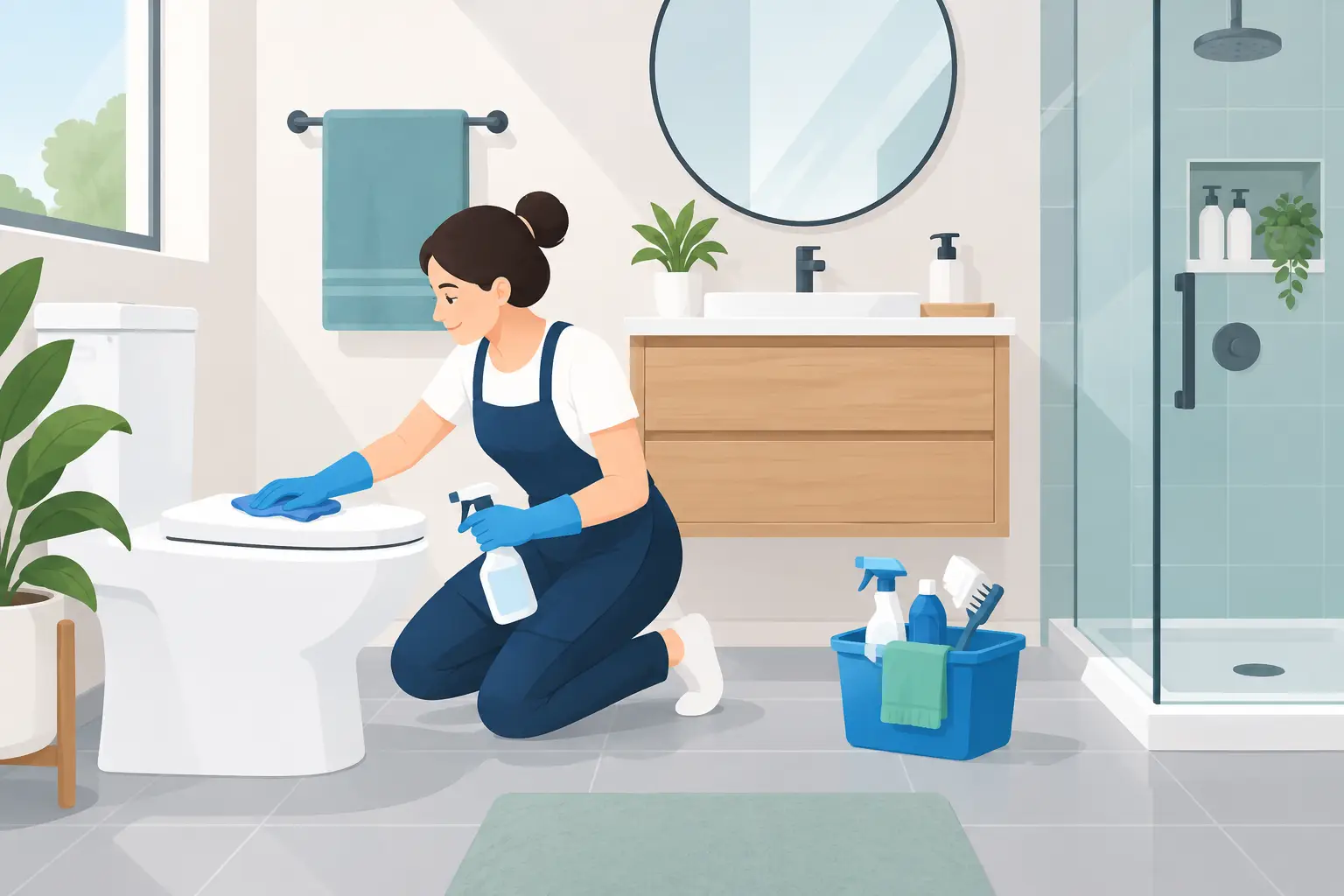
In South Florida, moisture control is part of allergy-aware cleaning. Mold can grow where water collects or ventilation is poor, including bathrooms, kitchens, laundry rooms, window tracks, and beneath sinks. Cleaning visible mildew is necessary, but it is only a temporary fix if the moisture source remains.
Check for slow leaks, condensation around windows, loose toilet seals, and damp cabinets. Run bathroom exhaust fans during showers and for a period afterward. Dry shower walls and floors when practical, and wash bath mats regularly. In a humid home, a dehumidifier or properly functioning air conditioning can help keep indoor moisture at a more manageable level.
If mold covers a large area, returns repeatedly, or is connected to water damage, it may require professional assessment and remediation rather than ordinary housekeeping. Scrubbing the surface alone does not solve a hidden leak or a moisture problem inside walls, flooring, or ductwork.
Do Not Forget High-Touch and Hard-to-Reach Details
Allergens settle in places that are easy to skip during a rushed weekly clean. Baseboards collect dust close to the floor. Ceiling fans can distribute buildup each time they run. Blinds, vents, lampshades, door frames, and the tops of cabinets are all common dust reservoirs.
A detailed cleaning schedule should rotate these areas in instead of waiting until grime is obvious. For example, kitchens and bathrooms may need weekly attention, while blinds, fan blades, and behind-furniture cleaning can be handled on a regular monthly or seasonal schedule. The right schedule depends on the household. Homes with shedding pets, open windows, construction nearby, or several occupants may need more frequent dust control.
Air vents also deserve careful attention. Wipe vent covers gently and replace HVAC filters on schedule according to the system and filter manufacturer guidance. A filter that is overdue for replacement can restrict airflow and allow more dust to remain in circulation. If there is visible debris, unusual odors, or evidence of moisture in the HVAC system, a qualified HVAC professional can help determine the next step.
Make Entryways Part of Your Allergy Plan
Many allergy triggers begin outdoors, then quietly make their way inside. Leaving shoes at the door can reduce the amount of pollen, soil, and lawn debris tracked across floors. A durable doormat outside and a washable mat inside provide a simple first line of defense.
During high-pollen periods, it can also help to change clothes after spending time outdoors and keep windows closed when pollen counts are elevated. This is especially useful for bedrooms. A person may clean carefully all week but still bring pollen directly to pillows, sofas, and bedding after gardening, walking the dog, or working outside.
Pets need consideration as well. Regular grooming and washing pet bedding can reduce loose hair and dander around the home. Keep litter boxes clean, and place them away from air returns and sleeping areas when possible. The aim is not to make a home feel restrictive. It is to limit how easily allergens travel from one room to another.
When Professional Cleaning Makes Sense
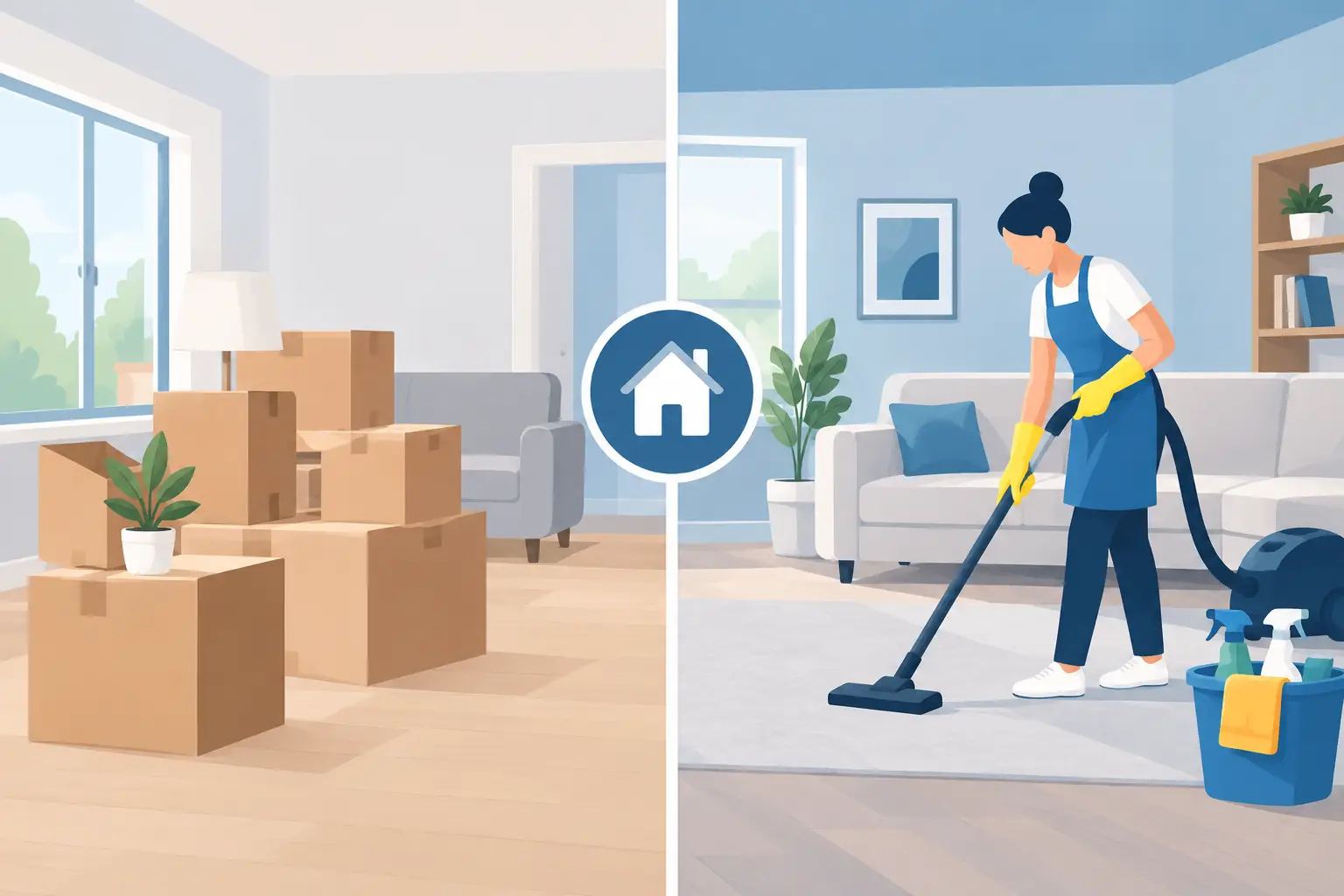
Allergy-focused cleaning can be physically demanding because the work is in the details: vacuuming edges, wiping high and low surfaces, cleaning blinds, removing bathroom buildup, and reaching under furniture. It is also easy for a busy household to fall behind after travel, renovation work, a move, or a particularly humid season.
A professional deep cleaning can reset a space by addressing the buildup routine maintenance often misses. For recurring support, a consistent cleaning plan helps prevent dust, pet hair, and moisture-related grime from becoming an overwhelming project. Roenter Clean provides detailed residential cleaning for homeowners and renters who want a dependable way to keep their home cleaner without giving up their weekends.
Professional cleaning is not a replacement for repairing leaks, changing HVAC filters, managing pets, or following medical advice. It works best as one part of a practical plan that reduces indoor triggers over time.
A Cleaner Home Is Built Through Consistency
For allergy sufferers, the most helpful cleaning routine is rarely the most complicated one. It is the one that happens consistently and focuses on the surfaces, fabrics, and moisture-prone areas where allergens collect. Small habits, such as damp dusting, vacuuming thoroughly, washing bedding, and keeping entryways under control, can make a noticeable difference in how a home feels.
A spotless-looking room is a good start. A carefully cleaned room that removes the particles you cannot easily see is the better goal.