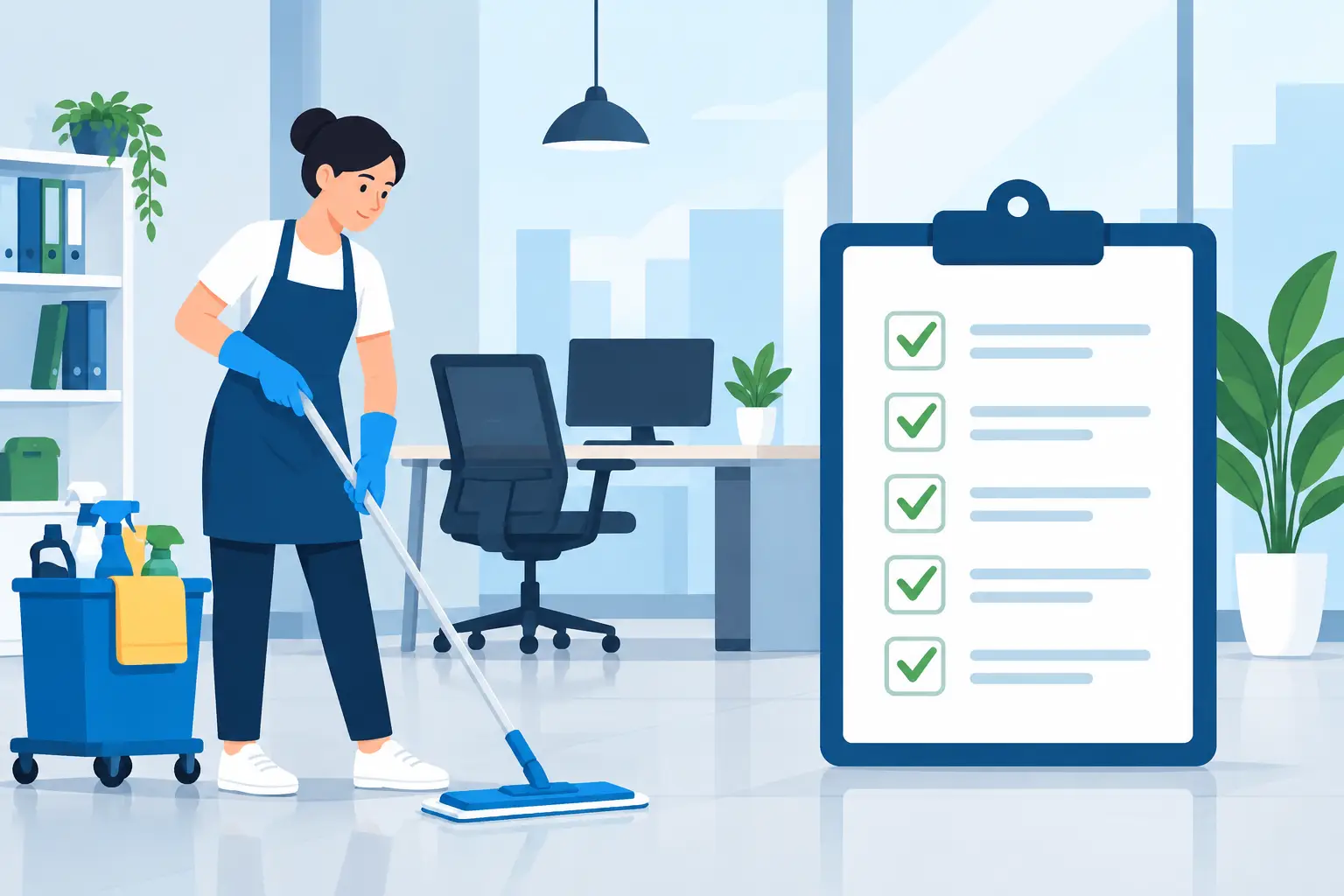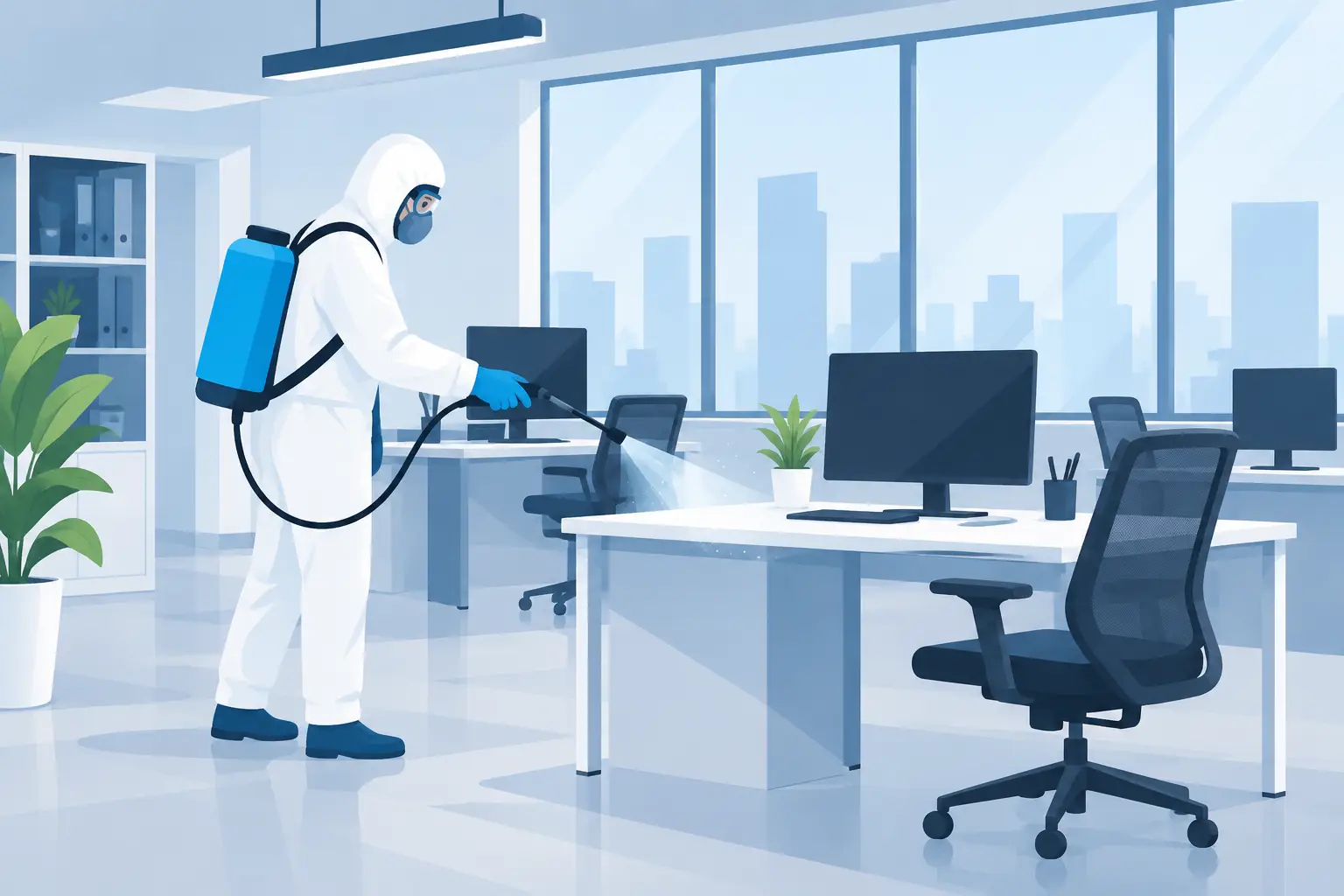


A clean office is noticed before a word is spoken. Clients see the lobby, employees feel the difference at their desks, and the condition of the restroom can shape a visitor’s entire impression of your business. The best office cleaning tasks checklist keeps those details from slipping through the cracks while making cleaning easier to manage.
For most offices, the right schedule is not about cleaning everything with the same intensity every day. High-touch surfaces and restrooms need frequent attention. Floors, windows, and detailed areas can follow a weekly or monthly rotation. The goal is a workplace that looks professional, supports employee comfort, and stays ready for clients without disrupting operations.
Start With the Areas People Notice First
An office can have clean workstations and still feel neglected if the entryway is dusty, the front glass is smudged, or trash is overflowing. Begin your checklist with the spaces that receive the most traffic and create the first impression.
Daily attention should go to entrances, reception areas, lobbies, conference rooms, and shared hallways. Empty visible trash, straighten seating, remove fingerprints from glass doors, and wipe counters. If your office welcomes customers throughout the day, check these areas again in the afternoon rather than waiting until the next morning.
In Palm Beach County, rain, sand, and humidity can make entry floors look dirty quickly. Floor mats help, but they need vacuuming or shaking out regularly. Wet spots should be addressed right away to reduce slip hazards and prevent tracked-in dirt from spreading through the office.
Best Office Cleaning Tasks Checklist by Frequency
A practical office checklist separates tasks by how quickly they affect cleanliness, hygiene, and appearance. Use the following schedule as a starting point, then adjust it for your team size, foot traffic, industry, and building layout.
Daily office cleaning tasks
These are the tasks that keep your workplace presentable from one business day to the next:
- Empty trash and replace liners in work areas, kitchens, restrooms, and reception.
- Wipe and disinfect high-touch points, including door handles, light switches, elevator buttons, shared phones, and copier controls.
- Clean and restock restrooms, including toilets, sinks, mirrors, soap dispensers, paper products, and sanitary bins.
- Wipe break room counters, tables, appliance handles, and sink areas.
- Vacuum entryways and high-traffic carpeted areas, or sweep hard floors.
- Spot-clean spills, fingerprints on glass, and marks on walls or doors.
- Reset conference rooms by removing cups, food containers, papers, and used whiteboard notes.
Not every desk needs to be cleaned daily, especially in offices where employees keep personal documents or equipment in place. Shared desks, hot-desking stations, and reception counters are different. Those surfaces should be wiped and disinfected at the end of every workday, or between users when traffic is high.
Weekly office cleaning tasks
Weekly work handles the dust, buildup, and floor care that daily spot-cleaning does not fully cover. Schedule it during slower hours whenever possible, especially if vacuuming, mopping, or moving light furniture could interrupt employees.
- Vacuum all carpets and rugs, including under desks, along baseboards, and in corners.
- Mop hard floors with the correct product for tile, vinyl, laminate, or sealed concrete.
- Dust desks, shelves, window sills, blinds, vents, and accessible ledges.
- Clean the inside and outside of microwave ovens, refrigerator handles, coffee stations, and break room cabinet fronts.
- Disinfect shared keyboards, headsets, printers, scanners, and conference room equipment using products safe for electronics.
- Wipe interior glass, conference room doors, and partitions for a streak-free finish.
- Remove expired food from shared refrigerators after giving staff clear notice.
Weekly cleaning is also the right time to look for small maintenance issues. A leaking dispenser, an empty air freshener, a damaged floor mat, or a stained ceiling tile may not be a cleaning problem alone, but catching it early protects the office’s overall appearance.
Monthly detailed cleaning tasks
Monthly tasks prevent slow buildup in areas that are easy to overlook. They are particularly valuable in busy offices, medical-adjacent workplaces, real estate offices, and businesses that host clients often.
Deep clean upholstered chairs and waiting-area furniture as needed. Wipe baseboards, door frames, and wall scuffs. Dust high vents, ceiling fans, light fixtures, and the tops of cabinets. Clean interior windows more thoroughly, including tracks and ledges. Treat stains in carpets before they become permanent.
Restrooms deserve a monthly detail clean beyond daily sanitation. This may include descaling fixtures, cleaning behind toilets, polishing metal hardware, wiping partitions from top to bottom, and addressing grout or floor-edge buildup. If restrooms develop odors despite regular cleaning, inspect drains, trash bins, toilet bases, and vent areas instead of simply adding fragrance.
Quarterly or seasonal tasks
Some work does not need to happen every month, but skipping it for too long makes an office look worn down. Plan for deep carpet cleaning, interior and exterior window cleaning, high dusting, upholstery cleaning, and detailed floor care on a quarterly or seasonal basis.
The right timing depends on your office. A small professional office may need deep carpet cleaning twice a year. A high-traffic retail office or shared workspace may need it more often. Businesses near the coast or construction zones may also require more frequent window and floor attention due to salt air, dust, and tracked-in debris.
Do Not Forget the Break Room and Restroom
Break rooms and restrooms create the most complaints when cleaning is inconsistent. They also require different standards than a general desk area because moisture, food waste, and frequent hand contact create more opportunities for odors and germs.
In the break room, focus on the sink, countertops, table surfaces, appliance handles, coffee machines, and trash. A quick wipe of the refrigerator handle is useful, but it does not replace periodic cleaning inside the refrigerator. Set a clear policy for employee food so cleaners are not left guessing what to discard.
For restrooms, stock levels matter as much as cleaning quality. Keep soap, paper towels, toilet paper, and hand sanitizer available before supplies run low. Empty trash before it overflows, clean mirrors without streaks, and make sure floors are dry. A restroom that smells fresh, has clean fixtures, and is properly stocked signals that the business pays attention to details.
Build a Checklist That Fits Your Office
The best office cleaning tasks checklist is not identical for every business. A five-person office with limited visitors has different needs than a medical office, law firm, property management office, or customer-facing showroom.
Start by identifying your high-traffic zones, shared equipment, client-facing areas, and spaces where food or moisture collect. Then decide who owns each task. Some teams handle quick desk resets and break room cleanup internally, while a professional cleaning crew manages restrooms, floors, disinfection, and detailed work after hours.
Be realistic about what employees can consistently maintain. Asking staff to clean up after themselves is reasonable. Relying on them to mop floors, sanitize restrooms, remove carpet stains, and clean glass every week often leads to uneven results. A recurring office cleaning plan creates accountability and keeps standards consistent even during busy periods.
Keep Cleaning Products and Procedures Consistent
Using the wrong product can damage finishes or leave a sticky residue that attracts more dirt. Use glass cleaner for glass, neutral floor cleaner for appropriate hard floors, and disinfectants according to their label directions. Disinfectant needs enough contact time to work, so spraying and immediately wiping may not deliver the intended result.
Color-coded microfiber cloths can help prevent cross-contamination between restrooms, break rooms, desks, and glass. Store supplies in a labeled, accessible area, and make sure staff or cleaners know which products are safe for electronics and sensitive surfaces.
For offices with allergies, asthma concerns, pets, or strong scent preferences, low-odor products may be the better choice. The trade-off is that some heavy-duty cleaning situations still require more targeted products. A professional cleaner can match the method to the surface and soil level rather than using one product for every job.
Make the Checklist Easy to Verify
A checklist only works when someone can confirm the work was completed. Keep it simple. Use a daily log for restrooms and common areas, assign weekly tasks to a specific day, and review recurring problem spots during regular office management check-ins.
If you hire a cleaning company, agree on the scope before service begins. Clarify which rooms are included, how often floors are cleaned, whether supplies are restocked, and how special requests are handled. Roenter Clean helps Palm Beach County offices build flexible cleaning plans around their hours, traffic level, and facility needs.
A dependable checklist turns office cleaning from a last-minute scramble into a routine that protects your workplace. Keep it visible, adjust it when your office changes, and give the highest priority to the spaces your employees and clients use every day.