

A shared conference table, break room counter, front-desk pen, and restroom handle can pass through dozens of hands before lunch. That is why business owners often ask, do offices need disinfection as part of regular cleaning? The practical answer is yes in many cases, but not every office needs the same level of service or the same schedule.
Routine office cleaning keeps a workplace presentable. Disinfection focuses on reducing germs on frequently touched surfaces after they have been properly cleaned. The right plan depends on foot traffic, the type of business, employee expectations, customer visits, and whether illness has recently been reported in the workplace.
Cleaning and Disinfection Are Different Jobs
Cleaning removes visible dirt, dust, crumbs, fingerprints, and other buildup. It makes desks, floors, glass, restrooms, and common areas look professional. It also matters because disinfectants work best on surfaces that are already clean.
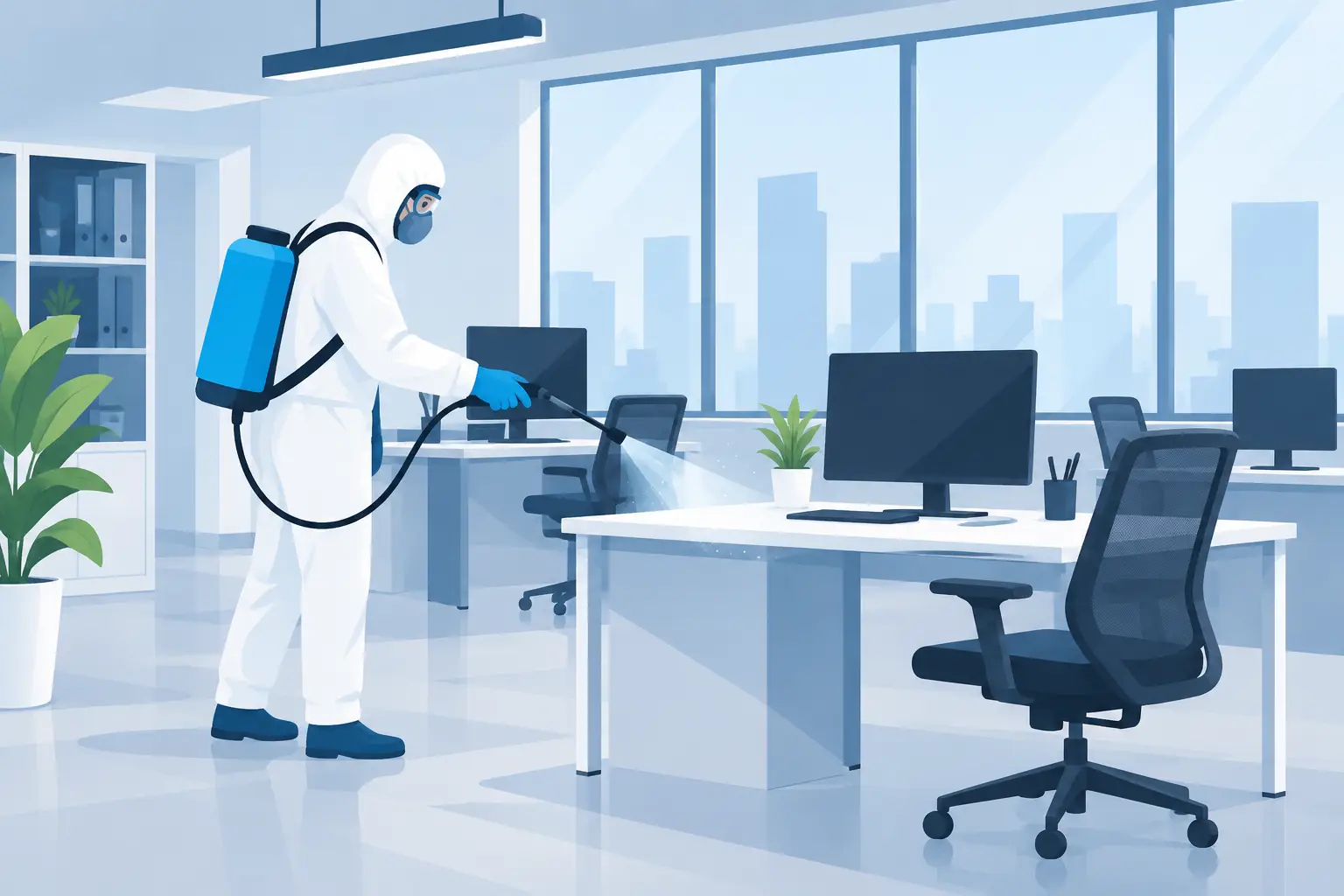
Disinfection is a separate step. It uses an appropriate product and application method to reduce germs on hard, nonporous surfaces such as door handles, light switches, restroom fixtures, elevator buttons, shared desks, appliance handles, and reception counters.
One does not replace the other. Spraying disinfectant over dusty desks or sticky break room counters is not a complete solution. A reliable office service starts with thorough cleaning, then gives high-touch areas the focused attention they need.
Do Offices Need Disinfection Every Day?
Some do. Others may only need scheduled disinfection several times a week or after a specific concern. A busy medical-adjacent office, customer-facing retail office, childcare administration area, call center, gym office, or shared coworking space usually benefits from frequent high-touch disinfection. These spaces have a steady flow of people using the same surfaces throughout the day.
A small private office with a few consistent employees may not require a full disinfection service every evening. However, routine cleaning plus regular disinfection of restrooms, break rooms, entrances, and shared equipment is still a smart standard. It supports a cleaner work environment without paying for unnecessary services.
The key is to match the frequency to actual use. An office manager should consider how many people enter the space, how often desks or devices are shared, whether clients wait in common areas, and how quickly restrooms and kitchens become heavily used.
Situations That Call for More Frequent Service
Disinfection should be increased when an employee reports a contagious illness, when several team members are out sick, or when the office has hosted a large meeting or event. It also makes sense after a busy seasonal period, a tenant turnover, or a renovation project that leaves extra dust and debris behind.
High-traffic periods can change a cleaning plan. An office that is quiet most of the year may need additional attention during tax season, holidays, recruiting events, or months when many visitors come through the building. Flexible service matters because a fixed schedule does not always reflect how the workplace is actually being used.
Where Office Disinfection Makes the Biggest Difference
The highest value comes from concentrating on shared touchpoints rather than treating every surface exactly the same. In most offices, restrooms and break rooms deserve the most consistent attention because moisture, food residue, and frequent contact create more opportunities for germs to spread.
Reception areas are another priority. Visitors often touch door handles, sign-in devices, counter surfaces, pens, chairs, and payment terminals. A clean, disinfected entry area also sends a clear message that the business is organized and cares about details.
Shared workstations need a practical approach. If employees use the same keyboard, phone, headset, copier controls, or desk between shifts, those surfaces should be cleaned and disinfected regularly. If each employee has a personal desk and handles their own equipment, professional cleaning can focus on common areas while the business provides wipes or guidance for personal items.
Not every material should be treated with the same product. Electronics, natural stone, unfinished wood, and specialty finishes may require manufacturer-approved cleaning methods. A professional team should understand the surface before applying a disinfectant, especially in offices with expensive equipment or custom furnishings.
A Better Office Cleaning Plan Is Built Around Use
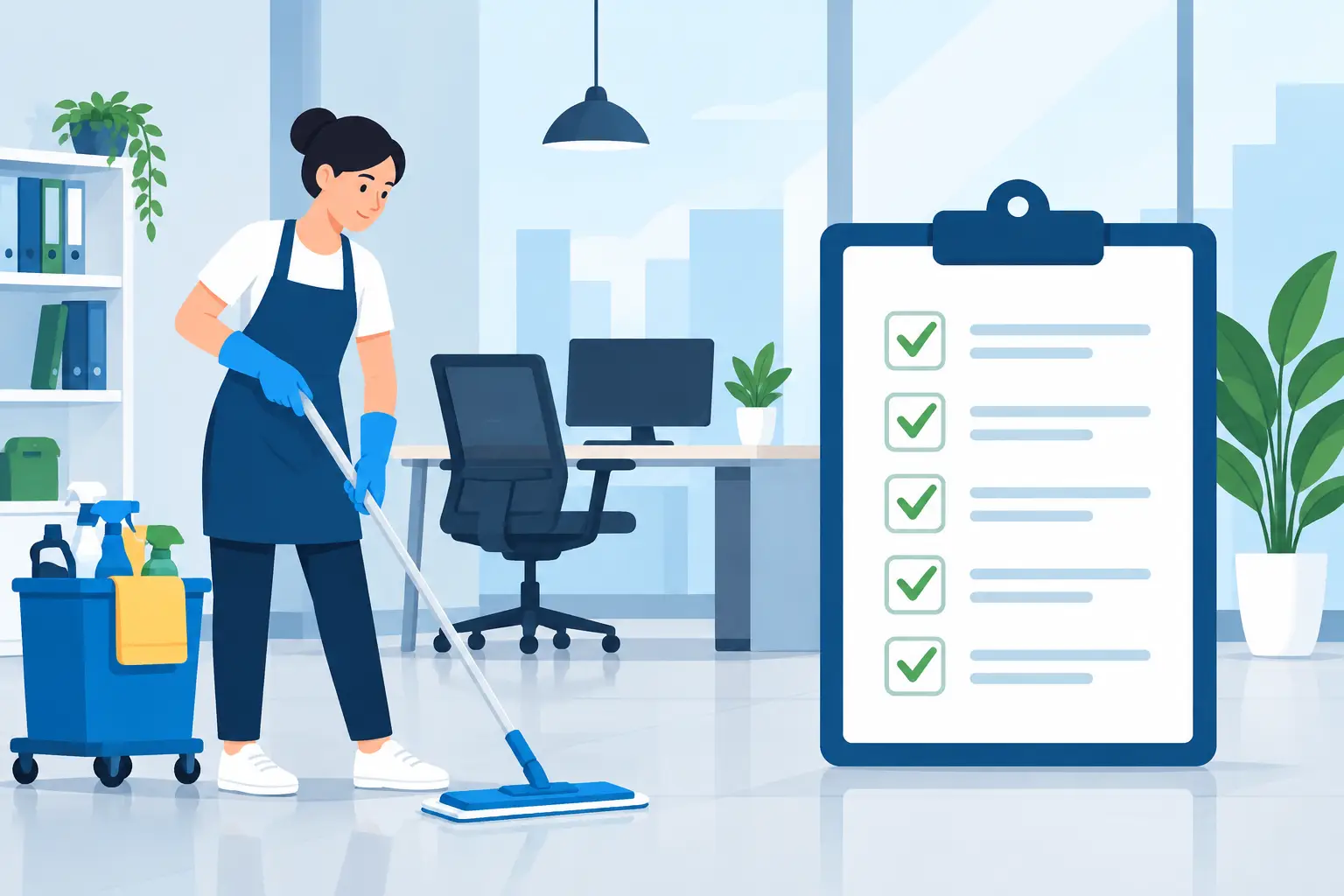
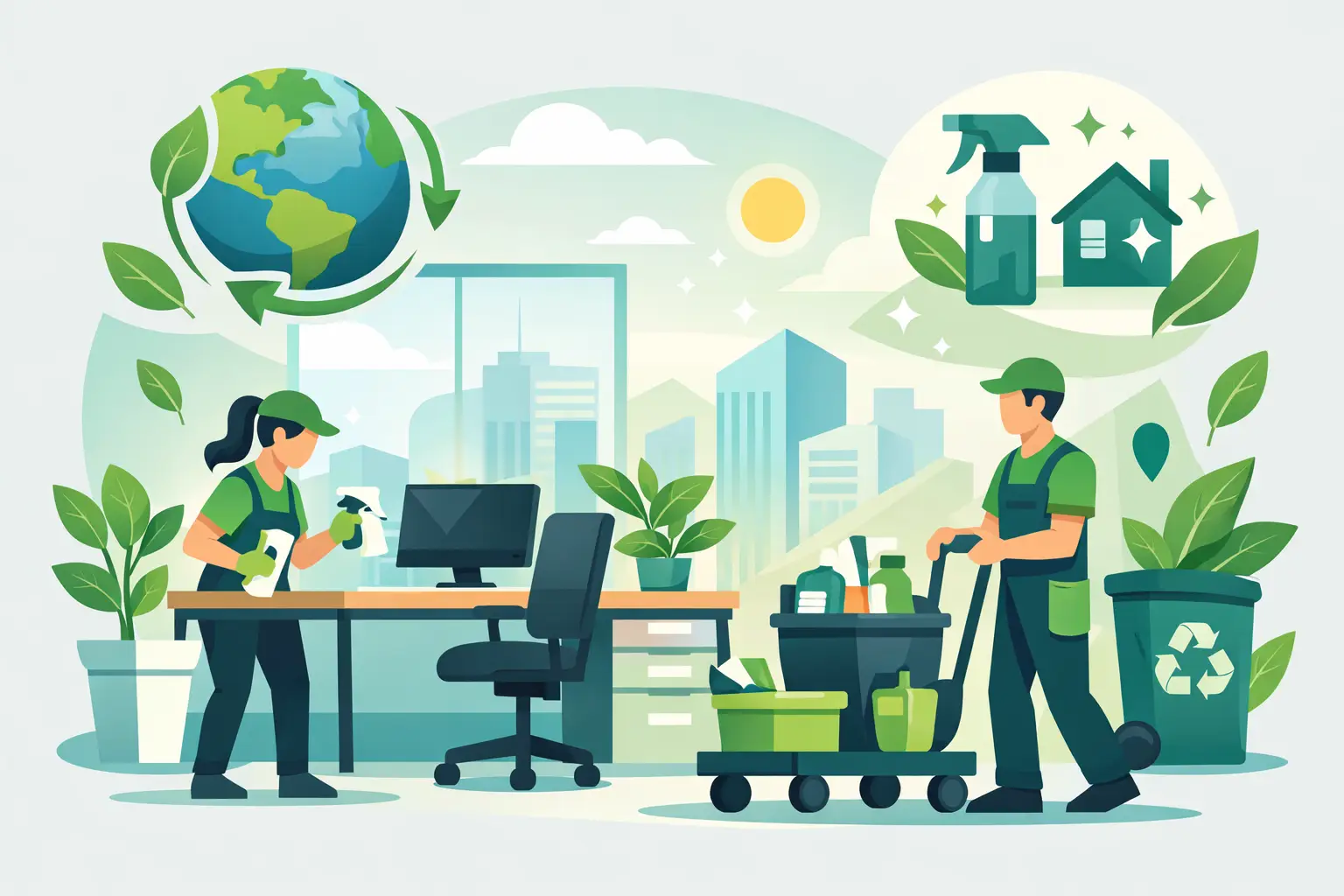
The most effective plan combines daily upkeep with scheduled detailed service. During routine visits, cleaning staff can empty trash, clean restrooms, wipe down common surfaces, vacuum or mop floors, and disinfect high-touch areas. This keeps the office looking maintained between deeper cleanings.
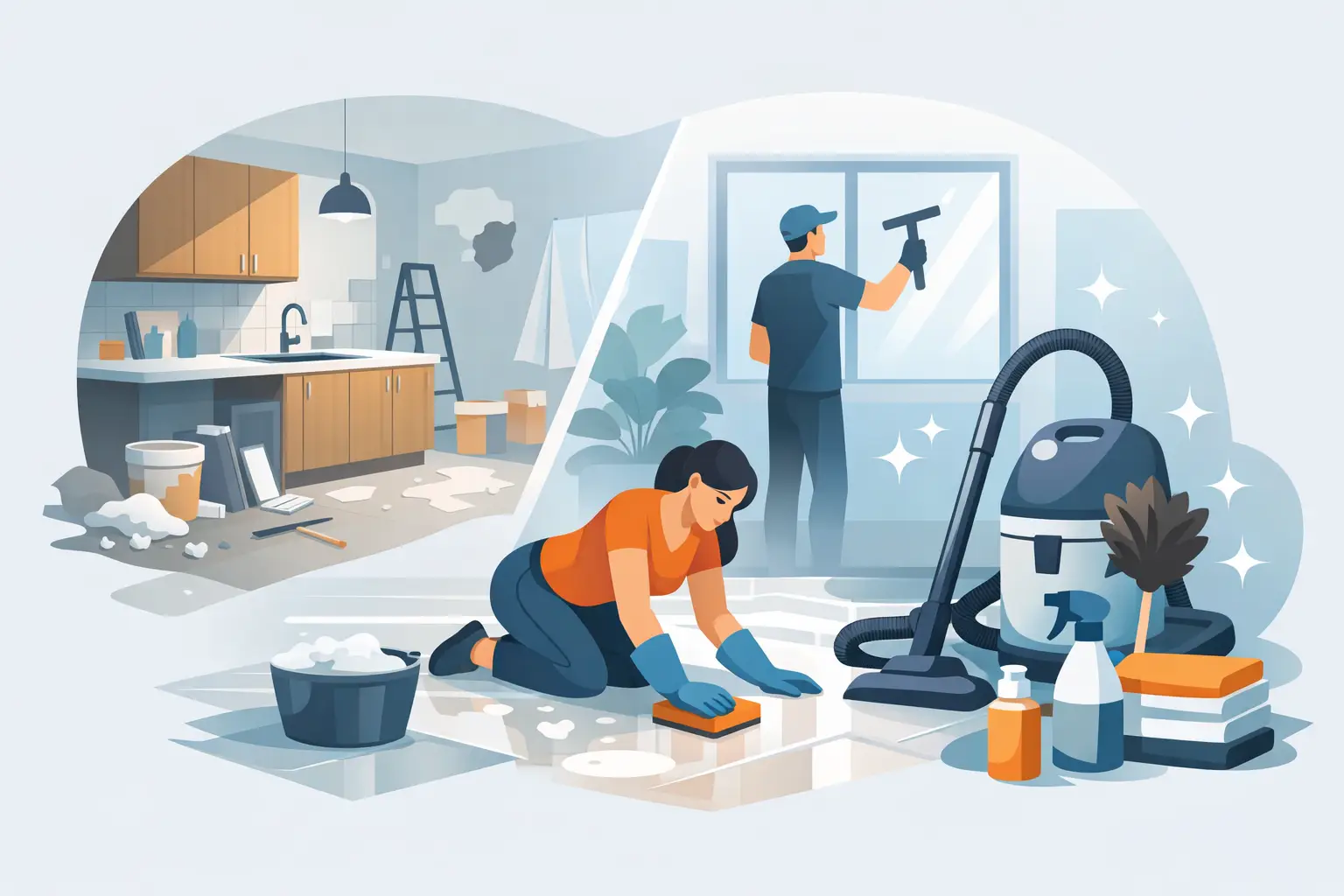
A periodic deep cleaning handles the details that everyday service may not cover fully, including baseboards, vents, interior glass, corners, under furniture, stubborn break room buildup, and overlooked touchpoints. This is particularly useful before an important client visit, after construction, or when an office has fallen behind on regular maintenance.
For many Palm Beach County offices, a simple schedule works well: recurring cleaning based on occupancy, high-touch disinfection during each service visit, and a deeper detail cleaning when traffic or conditions call for it. There is no benefit in overcomplicating the plan. The goal is a consistently clean workplace that feels professional to employees and visitors.
What Employees Can Do Between Professional Visits
Professional cleaning creates the foundation, but employees can help maintain it throughout the day. The best approach is easy to follow and does not turn staff into a cleaning crew.
Keep hand soap, paper towels, and hand sanitizer stocked in restrooms and break areas. Encourage employees to wipe shared equipment after use, dispose of food waste promptly, and report spills before they become stains or slip hazards. Clear desks and counters also allow cleaning teams to work faster and more thoroughly.
Managers should avoid expecting staff to handle harsh chemicals or detailed restroom cleaning unless that is part of their role and they have proper training. In most workplaces, it is more efficient to assign daily personal habits to employees and leave the deeper cleaning and disinfection work to a dependable service provider.
Signs Your Current Service May Not Be Enough
A clean office should not just look good from the doorway. It should feel maintained in the spaces people use most. Lingering restroom odors, fingerprints on entry glass, overflowing trash, dusty vents, sticky break room surfaces, and empty soap dispensers are signs that the service level or visit frequency needs attention.
Another sign is inconsistency. If the office looks great after one visit but slips quickly after the next, the problem may be an unclear checklist, rushed service, or a schedule that does not match the building’s activity. A quality cleaning provider should be able to adjust the scope instead of offering a one-size-fits-all package.
Roenter Clean works with businesses that need dependable office cleaning plans built around their actual space, traffic level, and schedule. That can mean recurring service, a one-time deep clean, focused restroom care, or added disinfection for shared areas.
Choosing the Right Level of Disinfection
The question is not whether every inch of an office needs to be disinfected every day. It is whether the areas people touch most are being cleaned and maintained at a level that makes sense for your business.
A thoughtful plan protects the appearance of your workplace, helps employees feel cared for, and gives clients a better first impression. Start by looking at the restrooms, break room, entryway, and shared workstations. Those areas usually reveal exactly where better cleaning and disinfection will make the biggest difference.