

A home can look tidy and still need serious attention. Dust settles behind furniture, grease builds up inside cabinets, bathroom grout dulls, and high-touch surfaces collect more than most people realize. That is where the choice between deep cleaning versus spring cleaning matters. While people often use the terms interchangeably, they serve different purposes and can require different levels of time, detail, and planning.
For Palm Beach County homeowners, renters, property managers, and business owners, choosing the right service comes down to the current condition of the space and what needs to happen next. Are you resetting a home after months of routine upkeep? Preparing for guests? Moving in or out? Getting a rental ready between stays? The right answer is not always the biggest cleaning package. It is the service that addresses the work your property actually needs. REQUEST YOUR CLEANING QUOTE HERE
Deep Cleaning Versus Spring Cleaning: The Real Difference
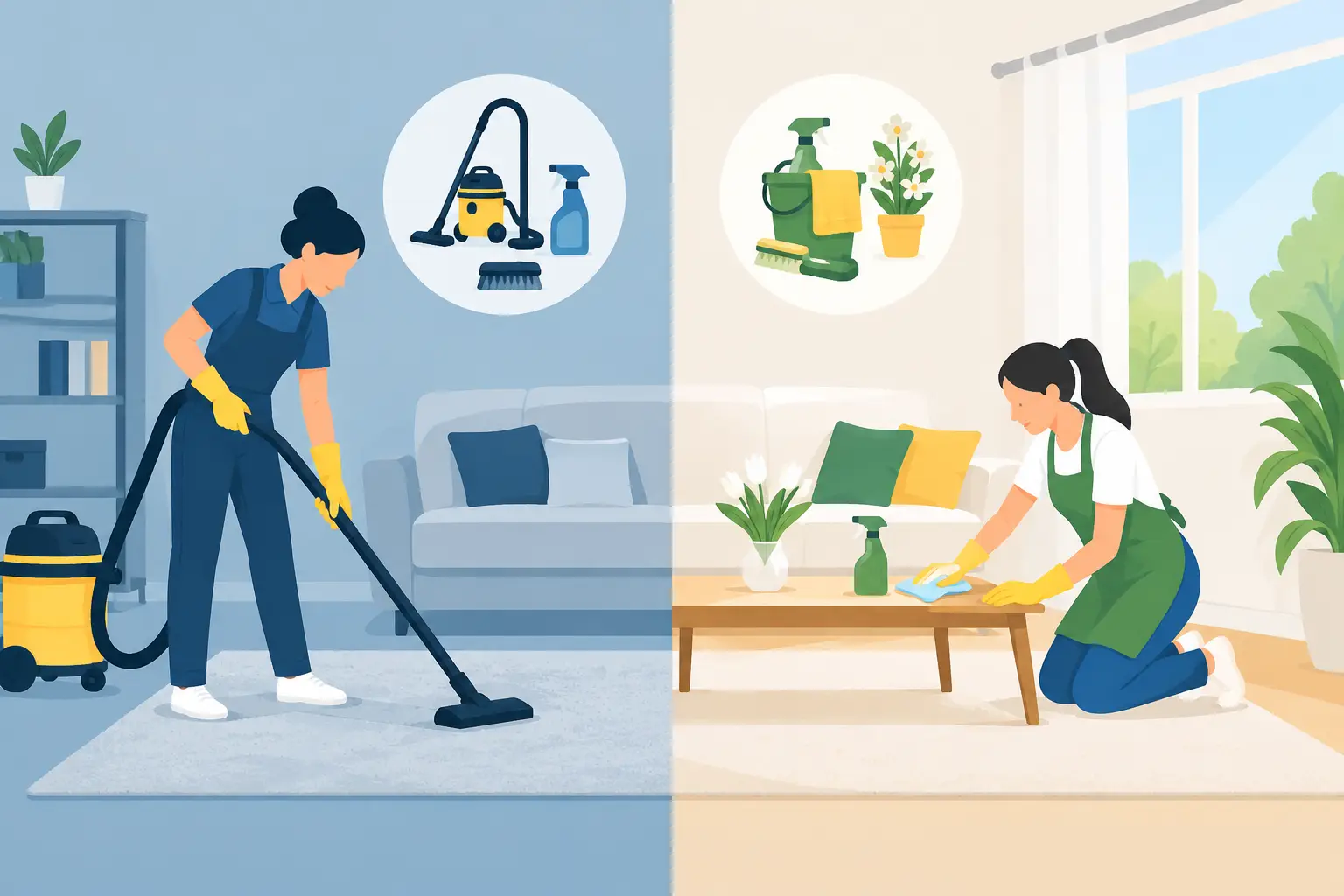
Deep cleaning is a detailed, intensive service focused on areas that are not usually handled during a standard recurring clean. Its purpose is to remove built-up dirt, dust, grime, soap residue, grease, and overlooked debris throughout the property. It is often the right starting point for a home or office that has not had a thorough professional cleaning in a while.
Spring cleaning is usually a seasonal reset. It may include deep-cleaning tasks, but it often has a broader goal: refreshing the space after a busy season, opening up rooms, reducing clutter, rotating seasonal items, and getting the property ready for warmer weather, visitors, or a change in routine.
The overlap is real. Both can involve detailed kitchen and bathroom cleaning, baseboards, ceiling fans, interior windows, and work in neglected areas. The distinction is in the reason for the service. A deep clean is condition-based. Spring cleaning is usually calendar-based and can be customized around seasonal priorities. If you want to know more about deep cleaning contact us
What a Deep Cleaning Is Designed to Do
A deep cleaning goes beyond maintaining a presentable space. It targets the buildup that develops gradually, especially in homes with busy schedules, pets, children, frequent visitors, or long gaps between professional services.
In the kitchen, that may mean cleaning cabinet fronts, removing grease from backsplash areas, detailing appliance exteriors, wiping handles and switches, and addressing crumbs or debris around accessible edges. In bathrooms, a deep clean focuses on soap scum, hard-water residue, toilet exteriors, shower surfaces, fixtures, tile, and grime around the base of the room.
Across the rest of the property, deep cleaning commonly includes careful dusting of blinds, vents, ceiling fans, doors, trim, baseboards, light fixtures, and reachable high and low surfaces. Floors receive closer attention, including edges and areas under accessible furniture. The result should feel noticeably cleaner, not simply picked up.
A deep clean is especially useful before beginning recurring cleaning service. Starting with a detailed reset gives routine visits a cleaner baseline to maintain. It can also make sense after illness, extended travel, a major event, a renovation project, or a period when household cleaning fell behind.
That said, deep cleaning has limits. If a property has construction dust, paint residue, drywall debris, or other renovation-related messes, post-construction cleaning may be the better fit. If the main issue is excessive belongings rather than dirt, organizing or decluttering may need to happen before the cleaning team arrives.
What Spring Cleaning Is Designed to Do
Spring cleaning is less about a fixed checklist and more about a fresh start. For some households, it means finally addressing the guest room, cleaning window tracks, washing baseboards, and refreshing patios before family visits. For others, it means clearing out closets, rotating linens, and making the home feel lighter after a packed winter season.
In South Florida, spring cleaning does not always follow the same weather-driven rhythm as it does in colder climates. Many local residents schedule it before hosting guests, before listing a seasonal property, after high-traffic holidays, or when preparing a second home for more regular use. The timing is flexible because the goal is practical: get the space back to a clean, comfortable, ready-to-use condition.
A spring cleaning appointment may include deep-cleaning work, but it can also prioritize appearance and functionality. For example, a homeowner may ask for detailed kitchen and bathroom cleaning, streak-free interior windows, dust removal from fans and blinds, and attention to entry areas before visitors arrive. A property manager may focus on refreshing common areas and vacant units for showings.
The best spring cleaning plan is specific. Rather than assuming every room needs the same level of work, consider where the buildup is, which rooms guests will see, and what has been delayed during the year.
Which Cleaning Do You Need Right Now?
The simplest way to decide is to look at the trigger. If the property has visible buildup, neglected surfaces, or has not received detailed cleaning in several months, a deep clean is usually the stronger choice. If the home is already maintained but needs a seasonal refresh, spring cleaning can focus on selected priorities.
A deep cleaning is often the better fit when you are moving into a home, preparing to start recurring service, recovering from a hectic season, or resetting an office after months of heavy use. It is also a smart choice for Airbnb hosts and short-term rental operators after an extended booking period, especially if routine turnovers have kept the property guest-ready without allowing time for extra detail work.
Spring cleaning may be the right fit when you want to prepare for visitors, refresh a seasonal residence, clean after a holiday period, or handle tasks that are easy to postpone during regular weekly upkeep. It also works well when your home is generally clean but a few overlooked areas need attention.
Consider scheduling a more detailed service if you notice four or more of these signs:
- Dust reappears quickly on fans, blinds, ledges, or vents.
- Kitchen surfaces feel sticky or cabinet fronts show grease buildup.
- Bathroom tile, grout, fixtures, or shower doors look dull despite routine cleaning.
- Baseboards, doors, and trim have visible scuffs or dust.
- Floors look clean in the center but dirty along walls, corners, or under furniture.
- Guests, tenants, employees, or family members are about to use the space more heavily.
Scope and Property Type Change the Answer
A single-family home, a busy office, and a vacation rental do not need the same approach. The term spring cleaning can mean very different things depending on the property.
For homeowners, the focus may be detailed kitchen and bathroom work, dust removal, floors, and areas that are difficult to keep up with during the week. Renters may need a deep clean before moving out or after settling into a new space, particularly when they want to restore a clean baseline without losing a full weekend to scrubbing.
For offices, detailed cleaning supports a more professional workplace. High-touch points, restrooms, break rooms, reception areas, and floors can all benefit from periodic deeper attention beyond routine service. The timing may be tied to a slower business period, a client visit, or a reset after a busy season.
For property managers and short-term rental hosts, condition and turnover schedules matter most. A rental may need a standard turnover clean between guests, then a deeper reset after a run of bookings. This helps protect the guest experience, identify wear before it becomes a bigger issue, and keep the property photo-ready.
How to Get Better Results From a Professional Cleaning Visit
Clear communication helps the cleaning team focus time where it delivers the most value. Before booking, think about the rooms that concern you most, whether there are pets, what areas may need extra attention, and whether there are access restrictions or time-sensitive deadlines.
It also helps to distinguish cleaning from organizing. Professional cleaners can clean accessible surfaces more effectively when counters, floors, and furniture are reasonably cleared. If a room contains extensive clutter, mention it ahead of time so the service scope is realistic.
For a deep clean, expect the appointment to take longer than routine maintenance. Detailed work is not rushed if the goal is visible results. For seasonal cleaning, be ready to prioritize. A focused clean of kitchens, bathrooms, windows, and main living spaces may be more valuable than trying to cover every possible task in one visit.
Roenter Clean helps Palm Beach County homes, offices, and rental properties choose a cleaning plan based on the space, the condition, and the outcome needed. A clear assessment and final quality check keep the service practical, detailed, and stress-free.
Make the Next Cleaning Decision Easier
Do not wait for a calendar date to decide whether your property needs attention. If your space feels harder to maintain, looks dull even after routine cleaning, or needs to make the right impression soon, schedule the level of cleaning that solves that problem. A well-timed deep clean or seasonal refresh can make everyday upkeep easier and give you a space that feels genuinely ready for what comes next.