

A clean kitchen can look fine at 8 a.m. and feel grimy by dinner. In South Florida, humidity, sand, pet hair, and busy schedules can make that cycle feel even faster. The goal of healthy home cleaning habits is not to clean every surface every day. It is to prevent small messes from becoming the kind of job that takes over your weekend.
The most effective routine is one your household can repeat. It should focus first on the areas you touch, use, and notice most: kitchens, bathrooms, floors, entryways, and bedrooms. With a few clear standards and realistic timing, a healthier, fresher home becomes much easier to maintain.
Start With the Areas That Affect Daily Health
Not every cleaning task carries the same weight. A few crumbs on a shelf may be untidy, but moisture around a bathroom sink, food residue on counters, or a trash can that needs emptying can create odors and encourage bacteria or pests. Start your routine where cleanliness has the biggest daily impact.
Kitchen counters should be cleared and wiped after food preparation, especially after handling raw meat, eggs, or produce. Use a cleaner appropriate for the surface, and let it sit for the contact time listed on the label when disinfecting is needed. A quick spray-and-immediate-wipe may make a counter look clean without giving the product time to work.
Bathrooms need regular attention because damp surfaces hold onto soap residue, hair, and mildew. Wiping the sink and faucet, hanging towels to dry fully, and running the exhaust fan after showers are small habits with a real payoff. If your bathroom has poor ventilation, you may need to clean it more often than a well-ventilated space.
Floors deserve more attention in homes with pets, young children, or frequent guests. Sand and outdoor debris are abrasive, so sweeping or vacuuming high-traffic areas several times a week helps protect both indoor air quality and flooring finishes. In Palm Beach County, an entry mat and a shoes-off policy can reduce the amount of sand tracked through the house.
Build Healthy Home Cleaning Habits Around Your Week
A cleaning routine works best when it is tied to moments that already happen. Rather than setting aside an unrealistic full day, use short resets during the week and reserve deeper work for a scheduled time.
A five- to ten-minute evening reset can make a noticeable difference. Load or empty the dishwasher, wipe kitchen counters, put away visible items, check the trash, and do a quick sweep where crumbs collect. This is not deep cleaning. It is a way to wake up to a home that feels under control.
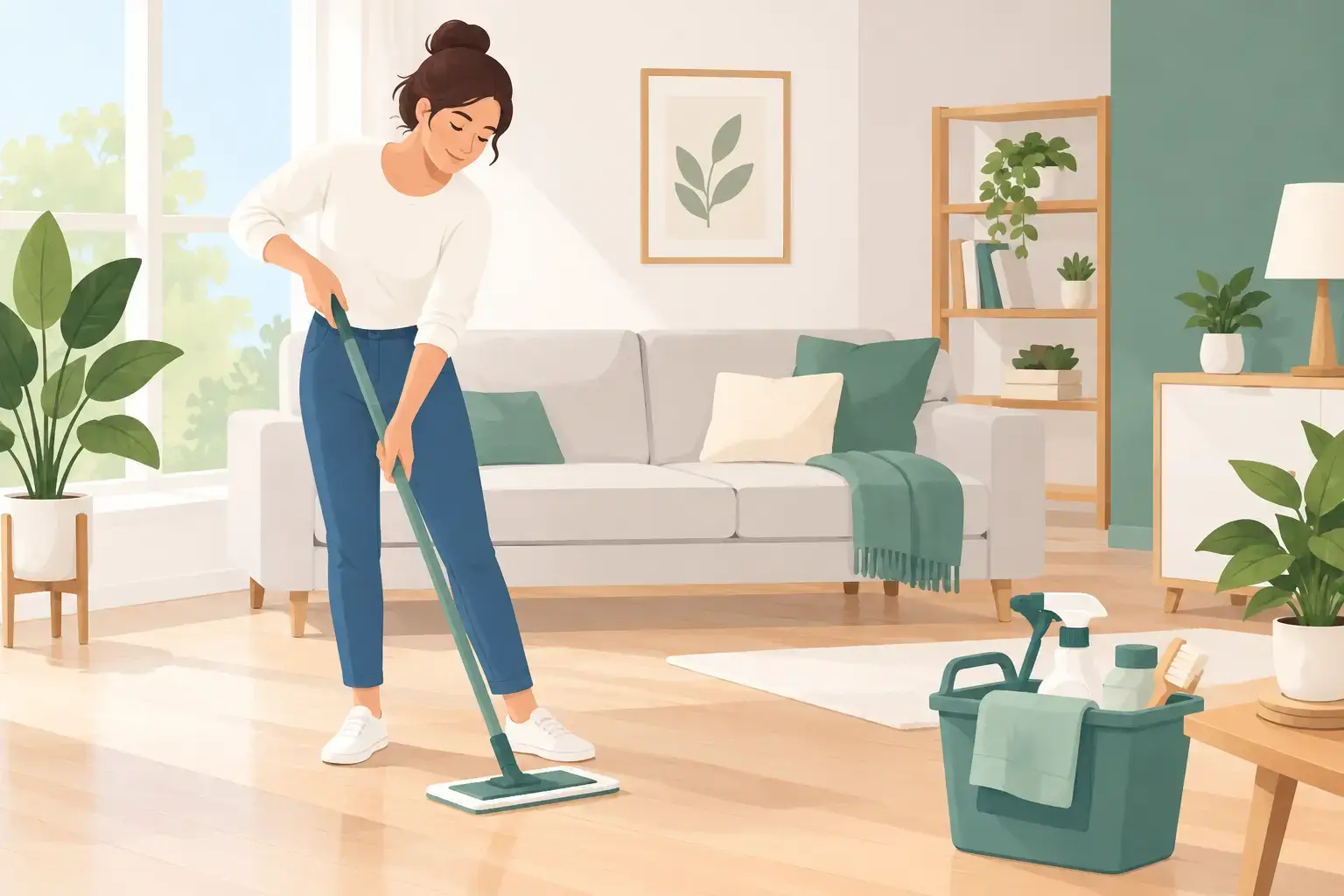
Choose one weekly cleaning block for the tasks that protect the condition of your home. Vacuum rugs and upholstered furniture, mop hard floors, clean toilets and showers, change bed linens, and dust the surfaces that collect the most buildup. For many households, this takes one to two hours when the daily reset is consistent. Without that reset, it can take much longer.
Monthly tasks can be rotated so they do not all pile up at once. One week, clean baseboards and ceiling fans. The next, wipe cabinet fronts and sanitize trash cans. Another week, clean inside the microwave and check the refrigerator for expired food. A rotation is more sustainable than trying to remember every task at the end of the month.
Keep Cleaning Products Simple and Specific
More products do not automatically mean better results. A crowded cabinet often leads to wasted supplies, inconsistent use, and mixing products that should never be combined. A basic set of reliable tools is usually enough for routine care: a microfiber cloth, vacuum with suitable attachments, mop, all-purpose cleaner, glass cleaner, bathroom cleaner, and a disinfectant for appropriate high-touch surfaces.
Microfiber cloths are especially useful because they pick up dust and residue more effectively than paper towels for many jobs. Keep separate cloths for the kitchen, bathroom, and general dusting. Wash them regularly without fabric softener, which can reduce absorbency.
Disinfecting has its place, but it does not need to replace ordinary cleaning. First remove dirt, grease, and visible residue. Then disinfect high-touch areas when illness is in the home, after raw-food preparation, or when the surface requires it. Door handles, light switches, refrigerator pulls, faucet handles, and toilet flush levers are sensible priorities.
Avoid mixing bleach with ammonia, vinegar, or other cleaners. Even products that seem harmless on their own can create dangerous fumes when combined. Keep products in original labeled containers, store them away from children and pets, and use ventilation when working with strong cleaners.
Control Dust, Humidity, and Odors Before They Spread
A home can be freshly cleaned and still feel less healthy if dust, humidity, and odors are left unchecked. These issues are often connected. Dust collects in rugs, blinds, fans, vents, and upholstery. Humidity allows musty smells and mildew to develop. Food waste, damp towels, and pet areas can create odors that move through the space.
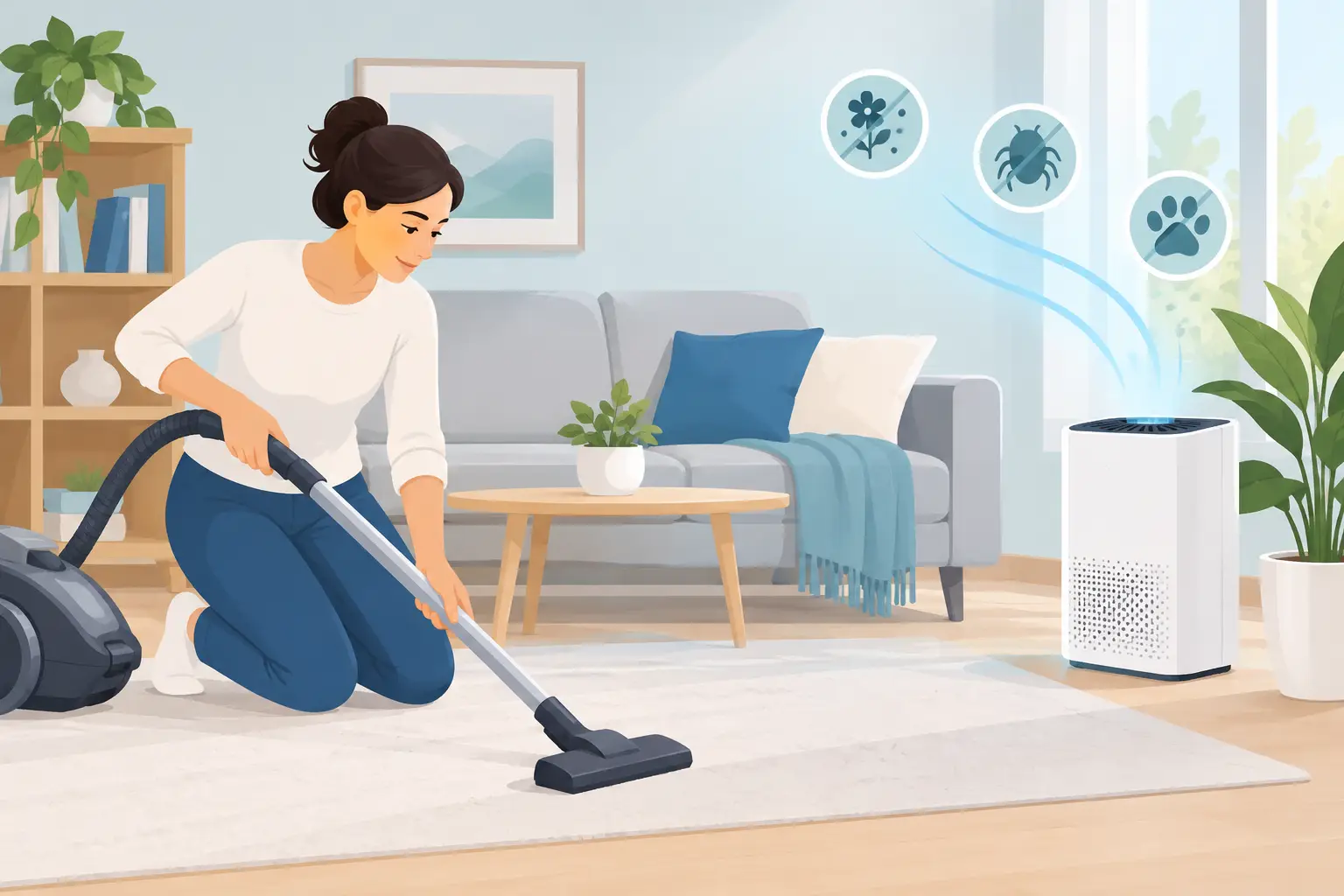
Vacuuming is more useful than quick sweeping for rugs, fabric furniture, and bedrooms because it removes more embedded dust and hair. Use the vacuum attachment on baseboards, mattress edges, and upholstered seating periodically. If someone in the home has allergies, more frequent vacuuming and regular bedding changes may be worth the extra effort.
Keep indoor humidity under control with air conditioning, bathroom exhaust fans, and a dehumidifier where needed. Pay attention to warning signs such as condensation, peeling paint, recurring mildew around grout, or a persistent musty odor. Cleaning visible mildew may help temporarily, but repeated moisture problems can point to a ventilation issue or leak that needs professional attention.
For odors, remove the source instead of covering it with fragrance. Empty kitchen and bathroom trash regularly, wash pet bedding, clean the inside of garbage cans, and avoid leaving wet laundry in the washer. Air fresheners may make a room smell different, but they do not solve buildup, spoiled food, or lingering moisture.
Make the Entryway and Bedrooms Easier to Maintain
The entryway does more than welcome people home. It is the first line of defense against dirt, sand, pollen, and moisture. Use a durable outdoor mat and an indoor mat, then shake or vacuum them regularly. Give shoes a designated spot so they do not travel through bedrooms and living areas.
Bedrooms support better rest when they are kept simple and regularly refreshed. Change sheets weekly in most households, or more often during illness, heavy sweating, or allergy season. Vacuum under the bed and wash blankets, pillow protectors, and mattress covers on a schedule that fits their care labels.
Clutter also affects cleaning quality. When every table, chair, and floor corner holds extra items, dusting and vacuuming become slower and less thorough. You do not need a perfectly minimal home. You do need enough clear space to clean the surfaces that matter without moving piles from room to room.
Know When a Deeper Clean Is the Practical Choice
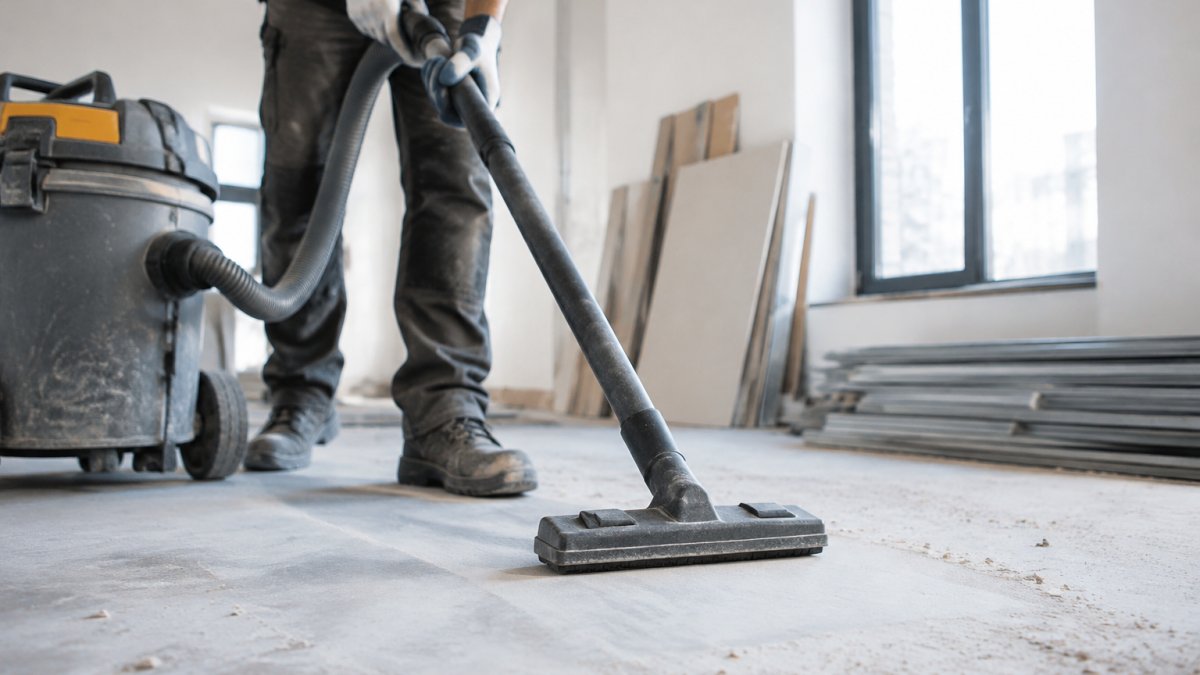
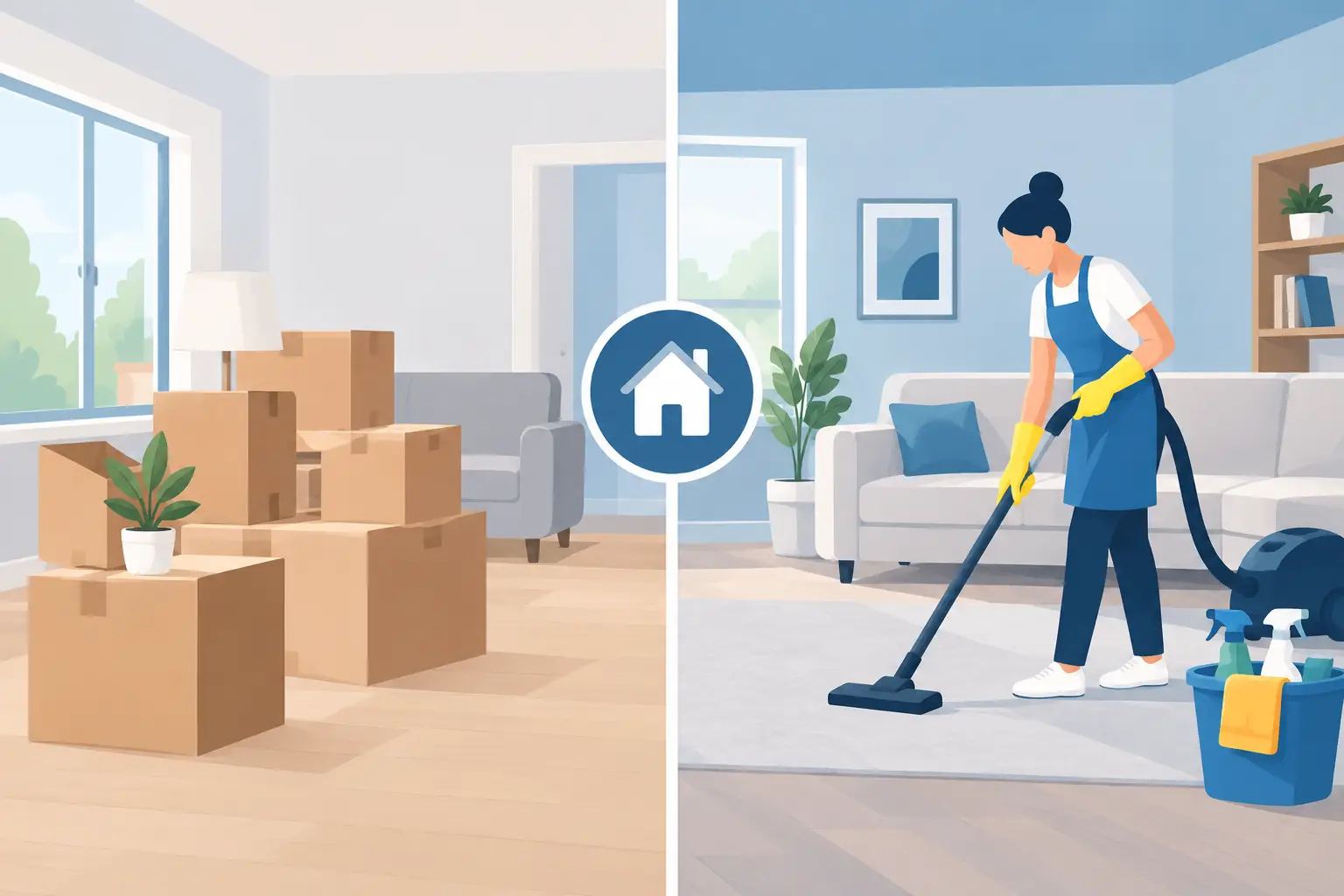
Healthy routines handle upkeep, but they cannot always catch everything. Grease builds up in kitchens, soap scum hardens on shower surfaces, and dust settles in places that daily cleaning misses. A deeper clean is often useful before hosting guests, after a renovation, during a move, at the start of a recurring cleaning plan, or when regular maintenance has fallen behind.
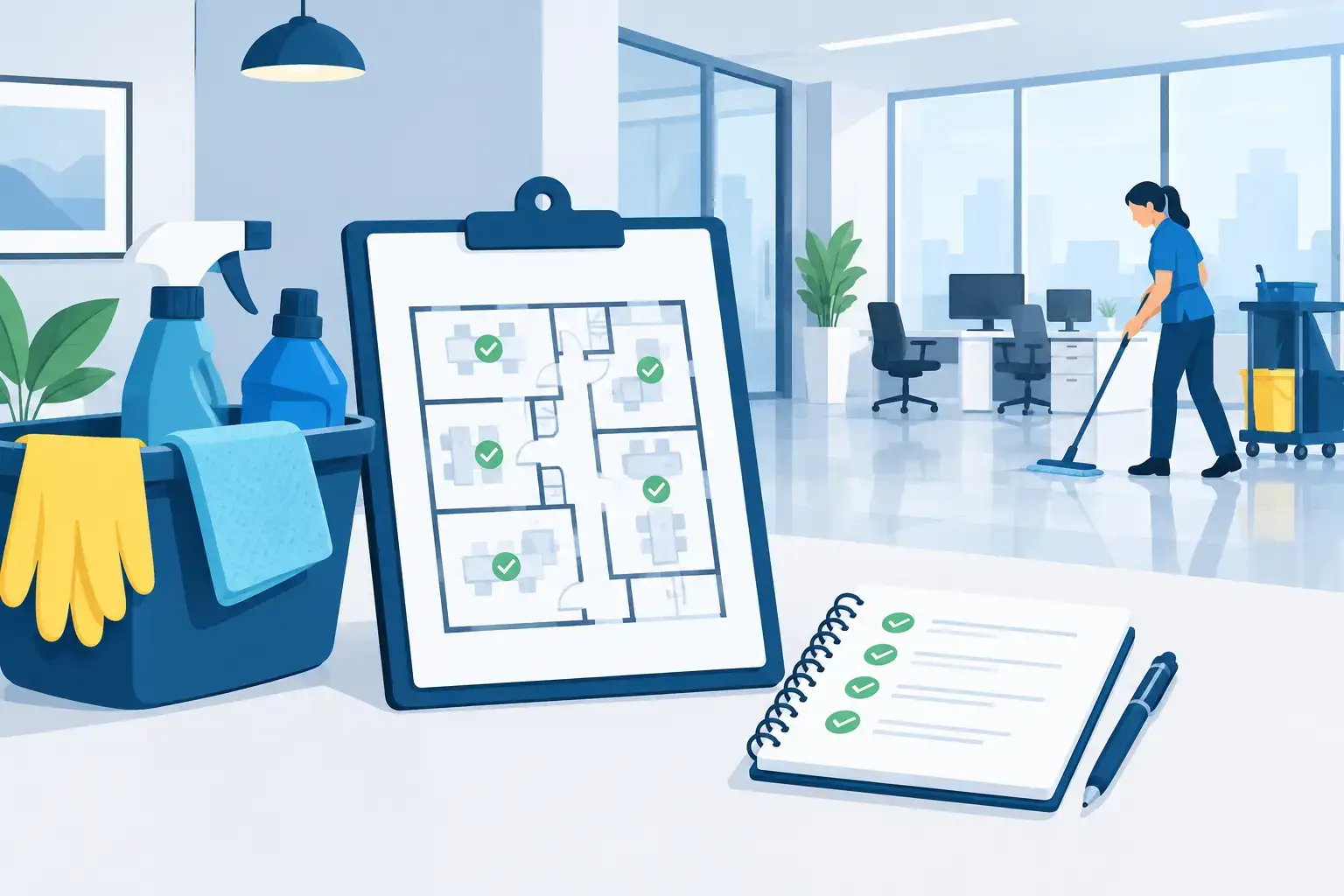
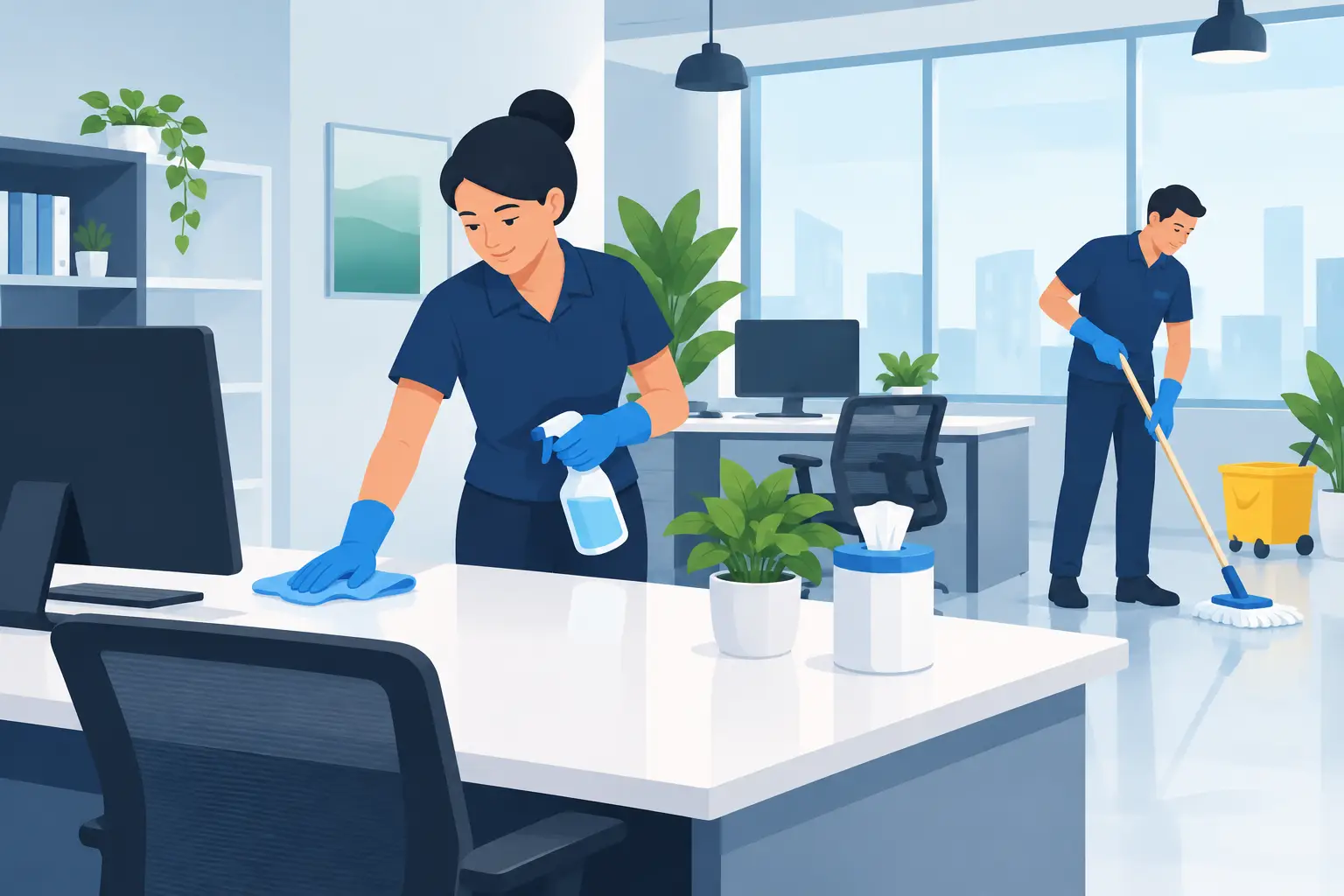
For rental hosts and property managers, consistency matters even more. Clean linens, sanitized bathrooms, streak-free glass, and fully reset kitchens shape a guest’s first impression. For offices, shared touchpoints, restrooms, break rooms, and floors need a dependable schedule that matches the number of employees and visitors.
Outsourcing can be the right choice when time, physical limitations, property size, or a demanding schedule makes cleaning difficult to keep up with. A professional service can handle the detail work while your household routine protects the results between visits. The best plan depends on how the space is used, how many people are in it, and whether pets, guests, or work traffic create extra cleaning demands.
A healthier home does not require perfection. Clear one counter tonight, dry the bathroom after your next shower, and set aside a short window for the tasks that keep small messes from becoming stressful ones. Those repeatable actions are what make a clean home feel easier to live in.