

A cleaning quote can look reasonable on paper and still fail in practice when the scope is vague. An office manager may expect baseboards, interior glass, and detailed restroom work, while the cleaning team is scheduled only for routine surface cleaning. This commercial cleaning scope planning guide helps business owners, property managers, and office managers set clear expectations before service begins.
A well-planned scope protects the appearance of your space, supports accurate pricing, and gives the cleaning team a workable plan. It also reduces the most common source of frustration in commercial cleaning: assuming a task is included when no one has defined it.
Start With the Space, Not a Generic Checklist
Every commercial property has different traffic patterns, surfaces, and priorities. A small professional office, a medical-adjacent waiting area, a retail storefront, and a post-construction site should not receive the same task list or cleaning schedule.
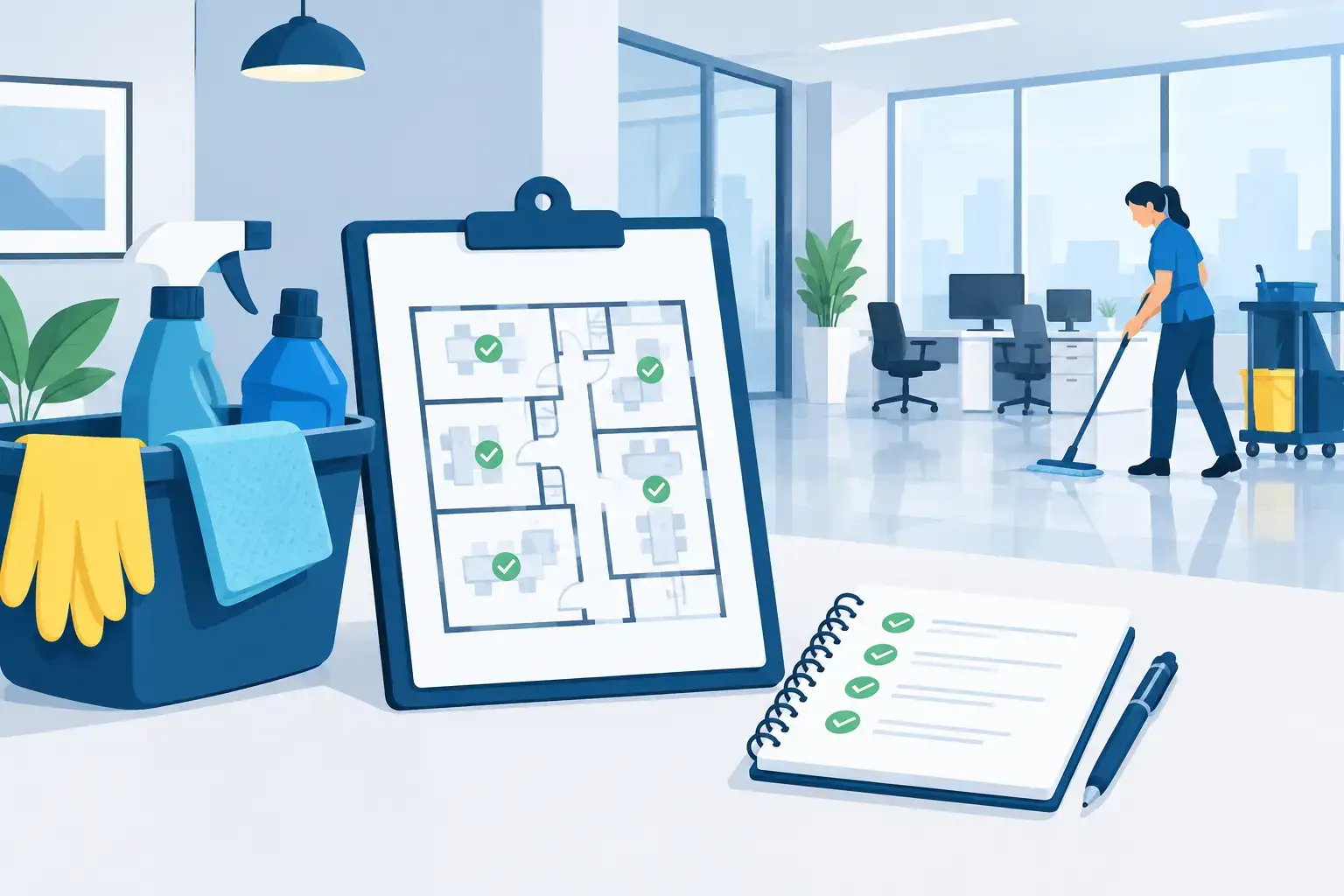
Begin with a walkthrough of the property. Note the total square footage, number of restrooms, break areas, entrances, offices, conference rooms, storage spaces, and high-traffic common areas. Look beyond the obvious floor plan. Glass entry doors, elevator interiors, trash rooms, stairwells, interior windows, and frequently touched fixtures all affect the time and labor required.
The condition of the property matters just as much as its size. A 3,000-square-foot office that receives regular cleaning can be maintained efficiently. The same office after months of limited service may need an initial deep clean before recurring cleaning can keep it at the right standard.
Identify What the Public Sees First
For customer-facing businesses, focus first on the areas that shape a visitor’s impression. Entryways, reception counters, waiting rooms, restrooms, and glass doors usually deserve the most frequent attention. Dirty floors near an entrance or streaked glass can make an otherwise clean facility feel neglected.
Employee-only areas matter too, particularly kitchens, break rooms, and shared restrooms. These spaces affect morale, odors, sanitation, and the day-to-day experience of your team. The right scope balances visible presentation with the areas employees depend on every day.
Define Tasks by Frequency
A reliable scope separates daily or per-visit work from weekly, monthly, and periodic tasks. This is more useful than a long master checklist because it tells everyone what should happen and when.
Routine service typically includes emptying trash, replacing liners when needed, wiping high-touch surfaces, cleaning and disinfecting restrooms, vacuuming carpets, mopping hard floors, and maintaining break areas. The exact tasks should match the building’s use and the agreed service frequency.
Weekly or rotating work may include detailed dusting, spot-cleaning walls and doors, cleaning interior glass, wiping chair bases, addressing fingerprints, and vacuuming edges. Periodic tasks can include baseboard cleaning, high dusting, deep floor work, detailed window cleaning, and cleaning areas behind movable furniture.
Avoid using terms such as “clean as needed” without defining who decides what is needed. A better standard is specific: clean interior glass at the main entrance each visit, detail break room cabinets once per month, or clean restroom grout lines during the monthly rotation. Clear language helps prevent missed work and makes quality checks easier.
Build the Schedule Around Real Traffic
The best cleaning schedule depends on how people use the space. A low-traffic office may stay presentable with service once or twice a week. A busy office with shared workstations, frequent visitors, and multiple restrooms may need service three to five times per week. Retail spaces, fitness facilities, clinics, and properties with heavy public traffic may require more frequent attention in certain zones.
Cleaning after business hours is often the right choice for offices because it allows crews to work without disrupting employees or clients. But daytime service can be valuable when restrooms, lobbies, and common areas need ongoing attention. Some properties benefit from a hybrid plan: scheduled evening cleaning plus daytime porter service for restocking, spills, trash, and touch-ups.
Seasonal conditions also matter in Palm Beach County. Rainy periods can increase dirt and moisture at entrances, while busy tourist or event seasons may create heavier traffic in shared spaces and rental-related commercial properties. Your plan should allow room for temporary service adjustments rather than forcing a fixed schedule that no longer fits.
Set Cleaning Standards That Can Be Checked
“Clean” means different things to different people. A strong scope turns that broad expectation into visible standards.
For example, a restroom standard may include clean and disinfected toilets and sinks, empty trash, replenished paper products if supplied, dry floors, and mirrors free of streaks. A lobby standard may require vacuumed or mopped floors, fingerprint-free glass, orderly furniture, and trash removed. For an office kitchen, the standard may include wiped counters, cleaned sink, empty trash, and sanitized touchpoints.
Quality standards should account for what normal use looks like. A restroom used throughout the day may show new water spots or paper towel debris shortly after cleaning. That does not mean the service was poor. It does mean the property may need more frequent visits or a daytime attendant if the expectation is to keep the space guest-ready at all times.
Include Supplies, Access, and Restrictions
A scope is incomplete without operational details. Confirm who provides consumables such as toilet paper, paper towels, hand soap, trash liners, and cleaning products. If the cleaning provider supplies materials, specify which items are included and how restocking is handled.
Document building access, alarm procedures, keys or entry codes, parking instructions, elevator access, and approved cleaning hours. Identify rooms that are off-limits, sensitive equipment that should not be moved, and surfaces requiring special products. These details may feel minor during quoting, but they prevent delays and protect the property once service starts.
Plan for Initial, Recurring, and Specialty Work
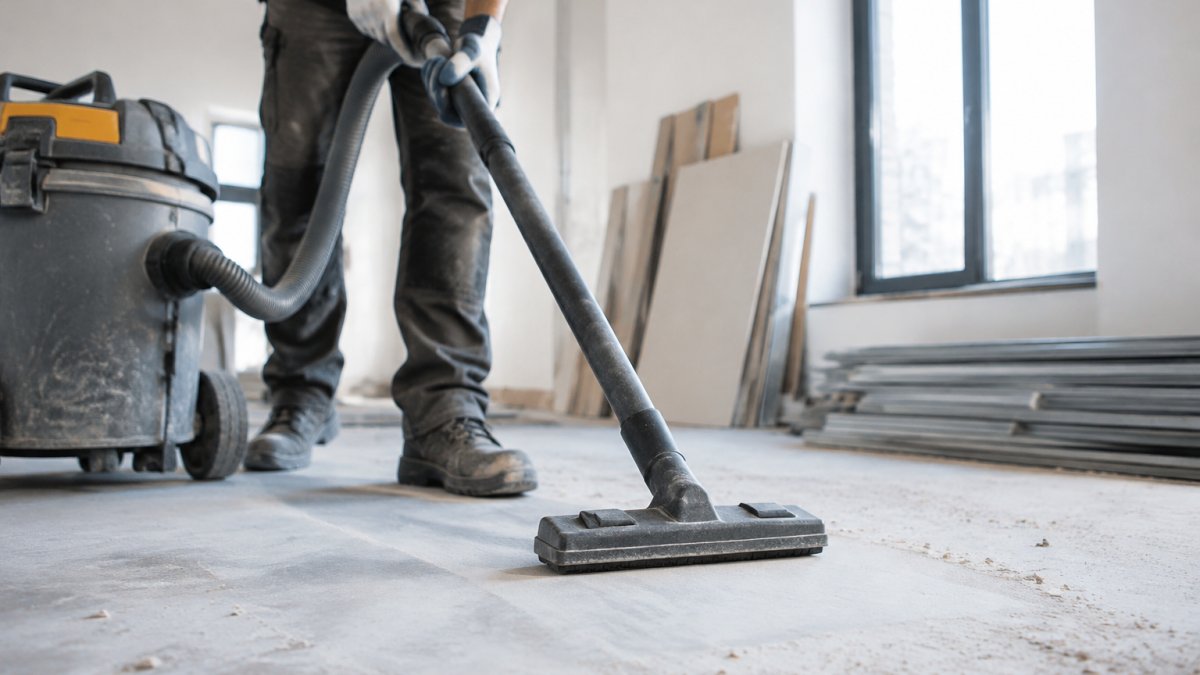
Recurring cleaning is designed to maintain a baseline. It is not always the right solution for buildup, construction dust, move-out conditions, or neglected floors. When a property needs extra work before regular service can begin, include an initial deep clean in the plan.
An initial service may cover detailed dusting, buildup removal, baseboards, interior glass, spot-cleaning walls, deeper restroom work, and floor attention beyond routine mopping or vacuuming. This gives recurring service a clean starting point and creates more realistic expectations about the condition the team will maintain.
Specialty tasks should be quoted and scheduled separately when they require additional time, equipment, or training. Examples include post-construction cleaning, exterior window work, carpet extraction, floor stripping and waxing, high dusting, and cleaning after water intrusion. Adding these jobs vaguely to a routine scope often leads to rushed results or unexpected costs.
Use the Scope to Create Fair, Accurate Pricing
Commercial cleaning pricing should reflect labor, service frequency, property condition, access requirements, and task complexity. Square footage is useful, but it is not enough on its own. A compact office with several restrooms, a busy break room, and daily trash volume can require more work than a larger space with few occupants.
Be upfront about the desired result. If you need a basic maintenance plan, say so. If the property must look polished before clients arrive each morning, that calls for a different level of detail and often a different schedule. The clearest scopes produce the clearest quotes.
Before approving service, review the proposal for included areas, excluded areas, visit frequency, task rotation, supply responsibilities, initial-cleaning needs, and quality expectations. Ask how change requests are handled. Businesses evolve, and a cleaning plan should be flexible enough to add service after an event, reduce frequency during a slow season, or address a new problem area.
Review the Scope After Service Begins
A cleaning scope should be a working document, not something filed away after the first appointment. Check in after the first few visits, then revisit the plan when occupancy, business hours, or facility use changes. If restrooms are running low between visits or lobby glass needs more attention, adjust the schedule before small issues become recurring complaints.
At Roenter Clean, clear assessments and final quality checks help keep commercial cleaning focused on the details clients actually notice. The goal is not to create the longest possible checklist. It is to build a practical plan that keeps your workplace clean, professional, and easy to maintain.
The right scope gives everyone a clear target: your team knows what to expect, your cleaning provider knows where to focus, and your property stays ready for the people who walk through the door.