

A clean-looking home can still hold the particles that trigger sneezing, itchy eyes, coughing, and congestion. Dust settles behind furniture, pet dander clings to upholstery, and Florida pollen can travel indoors on shoes, clothing, and open-window breezes. To reduce allergens through home cleaning, the goal is not to make a house sterile. It is to remove allergens before they build up in the places people live, sleep, and relax.
For busy households, the best approach is a consistent routine that focuses on high-impact surfaces first. Deep cleaning helps reset the space, but regular maintenance is what keeps allergen levels from climbing again.
Start With the Places Allergens Collect Most
Allergens do not spread evenly throughout a home. They settle where fabric, clutter, moisture, and limited airflow give them a place to stay. Bedrooms, living rooms, entryways, bathrooms, and any room with pets deserve the most attention.
Dust mites are commonly found in bedding, mattresses, rugs, upholstered furniture, and curtains. Pet dander collects in the same places, even in homes where pets are not allowed on furniture. Pollen often enters through doors and windows, then settles on floors and hard surfaces. Mold spores are more likely to become a problem in damp bathrooms, laundry areas, kitchens, and around air-conditioning vents.
Cleaning these areas in the right order matters. Start high, then work down. Dust ceiling fans, vents, shelves, blinds, and furniture before vacuuming or mopping the floor. Otherwise, particles from upper surfaces can fall onto a floor that has already been cleaned.
Reduce Allergens Through Home Cleaning, Not Just Surface Tidying
A quick wipe of the counter and a pass with a broom may improve appearances, but it will not do much for embedded dust, dander, or fine particles. Allergen-focused cleaning requires methods that capture debris instead of pushing it into the air.
Use a damp microfiber cloth for dusting whenever possible. Dry dusters and feather dusters can move particles from one surface to another. Microfiber traps more dust, while a lightly damp cloth helps keep it from becoming airborne. Wash cloths after use rather than returning them to the cleaning caddy with the same collected debris.
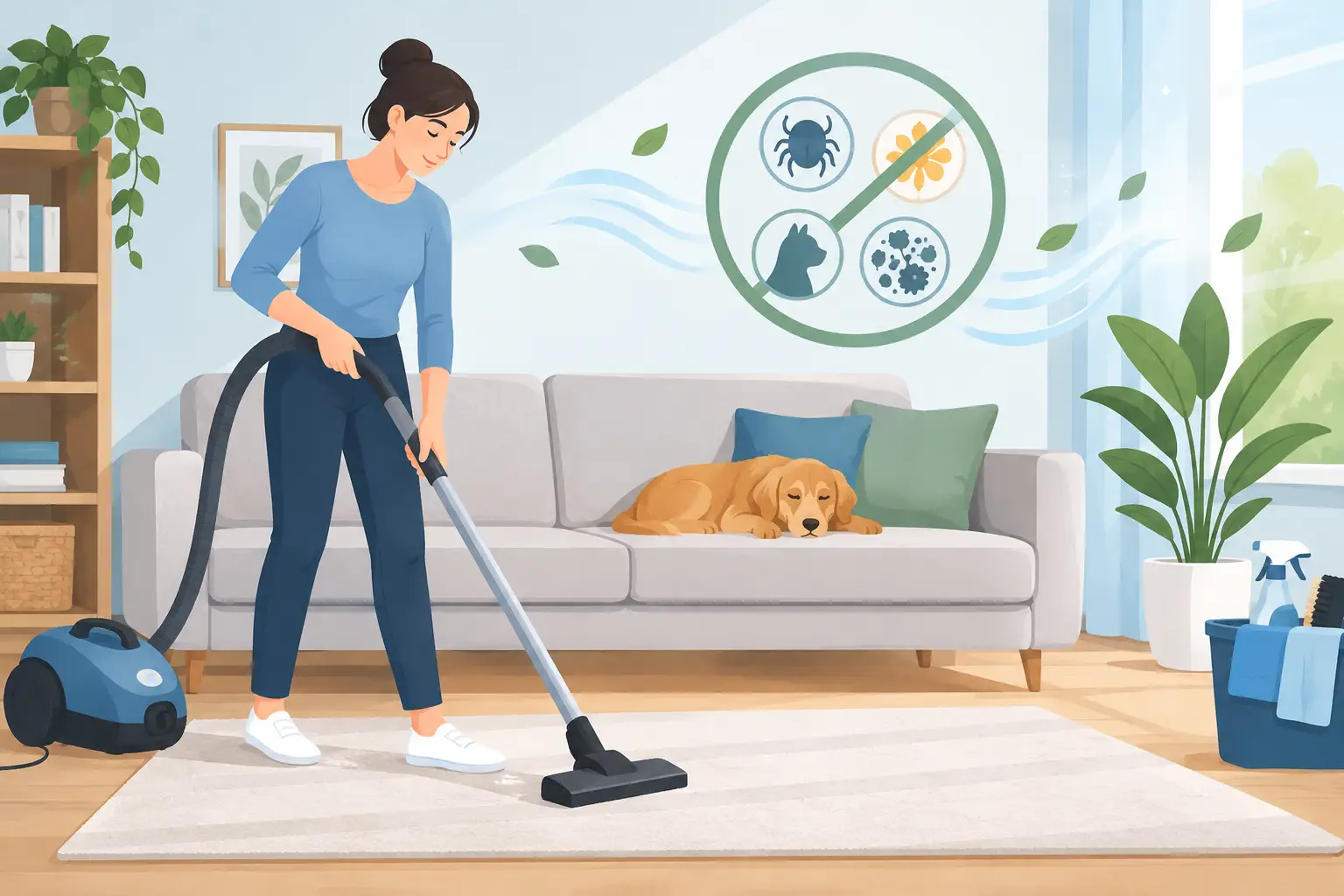
Vacuuming is equally important, especially in bedrooms and living areas. A vacuum with a HEPA filter is often the better choice for households managing allergies because it is designed to capture smaller particles more effectively. Vacuum slowly, using overlapping passes, so the machine has time to pull debris from carpet fibers and rugs.
Hard floors should be vacuumed first and then mopped with a clean mop head. Sweeping can stir up fine dust, particularly if the floor has not been cleaned in several days. For homes with tile, luxury vinyl, or hardwood floors, regular vacuuming and damp mopping are usually more effective than dry sweeping alone.
Give Bedding and Soft Furnishings a Set Schedule
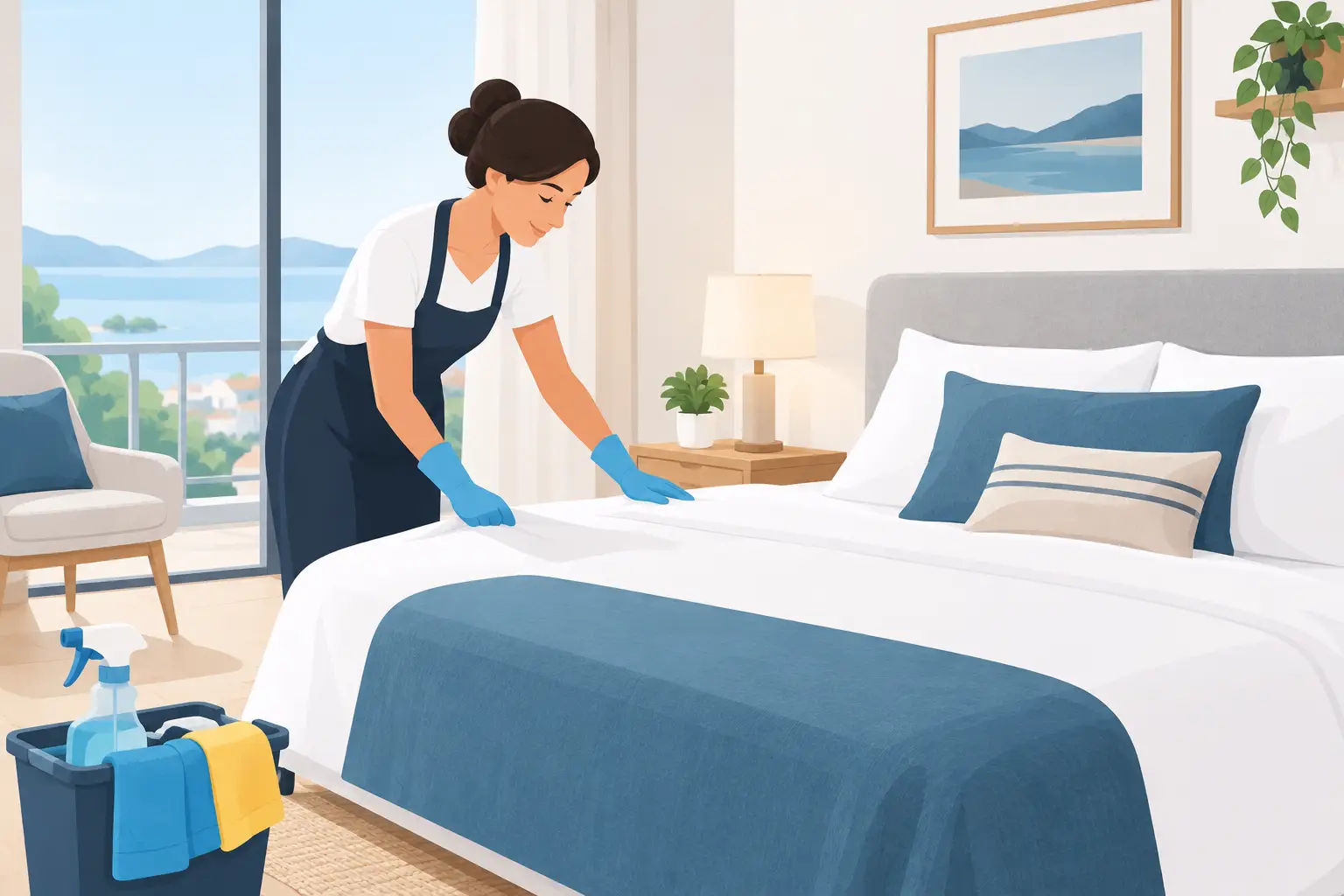
The bed is one of the most important places to clean when allergies are a concern. People spend hours there each night, and bedding can collect body oils, skin flakes, dust mites, pet dander, and pollen brought in on hair and clothing.
Wash sheets and pillowcases weekly in hot water when the fabric care label allows it. Blankets, duvet covers, mattress pads, and washable comforters should also be cleaned regularly, though the timing depends on use and whether pets sleep in the room. If a pet sleeps on the bed, more frequent washing may be necessary.
Mattresses and upholstered furniture need attention too. Vacuum mattresses with an upholstery attachment, including seams and edges where dust can collect. Vacuum sofas, chairs, cushions, and fabric headboards on a regular schedule. Removable cushion covers and washable throw blankets should be laundered instead of simply shaken out indoors.
Area rugs can be a trade-off. They add warmth and comfort, but they also hold dust, dander, and pollen. If allergy symptoms are persistent, consider reducing the number of rugs in bedrooms or choosing low-pile options that are easier to vacuum thoroughly.
Keep Pet Dander From Taking Over the House
Pet dander is not limited to visible pet hair. It is made up of tiny skin particles that can settle throughout the home, including rooms where the pet spends little time. Regular cleaning can make a noticeable difference without changing the relationship between your family and your pet.
Brush pets outdoors when possible, and wash their bedding often. Vacuum the areas they use most at least once or twice a week, including under furniture and along baseboards. Wipe hard surfaces near pet beds, feeding stations, and favorite resting spots with a damp microfiber cloth.
If someone in the household is sensitive to pet allergens, keeping pets out of bedrooms can help reduce overnight exposure. This can be difficult to enforce at first, but bedrooms are usually the most practical place to create a lower-allergen zone.
Control Moisture Before Mold Has a Chance to Grow
In Palm Beach County, humidity is part of daily life. That makes moisture control just as important as dust removal. Mold can grow quickly when dampness lingers around showers, sinks, windows, air-conditioning equipment, or hidden plumbing leaks.
After showering, run the bathroom exhaust fan or open the door to improve airflow. Wipe down wet shower walls and glass when practical, particularly in bathrooms that stay humid. Wash bath mats and towels regularly, and do not leave damp laundry sitting in a hamper for extended periods.
Check under sinks, around toilets, near washing machines, and around windows for signs of leaks or persistent dampness. Cleaning visible mildew is useful, but recurring growth usually points to an underlying moisture problem that needs to be corrected. If mold covers a large area or returns after cleaning, professional assessment may be appropriate.
Do Not Forget Entryways, Vents, and High-Touch Areas
A good cleaning plan prevents allergens from coming in as much as it removes them after they settle. Entryways are the first line of defense against outdoor pollen, grass, soil, and other particles tracked inside.
Use washable doormats inside and outside exterior doors, and vacuum or shake them out away from indoor living spaces. Leaving shoes at the door can reduce what gets carried through the home. During high-pollen periods, changing clothes after spending time outdoors may also help, especially before sitting on upholstered furniture or getting into bed.
Replace HVAC filters on schedule and use the filter type recommended for your system. A higher-rated filter may capture more particles, but it can also restrict airflow if it is not compatible with the unit. When in doubt, follow the manufacturer guidance or ask an HVAC professional. Keep return vents and supply vents clear of dust, furniture, and clutter so air can move properly.
High-touch surfaces such as handles, light switches, counters, and tables are not major allergen reservoirs in the way carpets and bedding are, but wiping them regularly supports a cleaner overall environment. It also keeps dust from being transferred by hands to other areas of the home.
Build a Routine You Can Actually Maintain
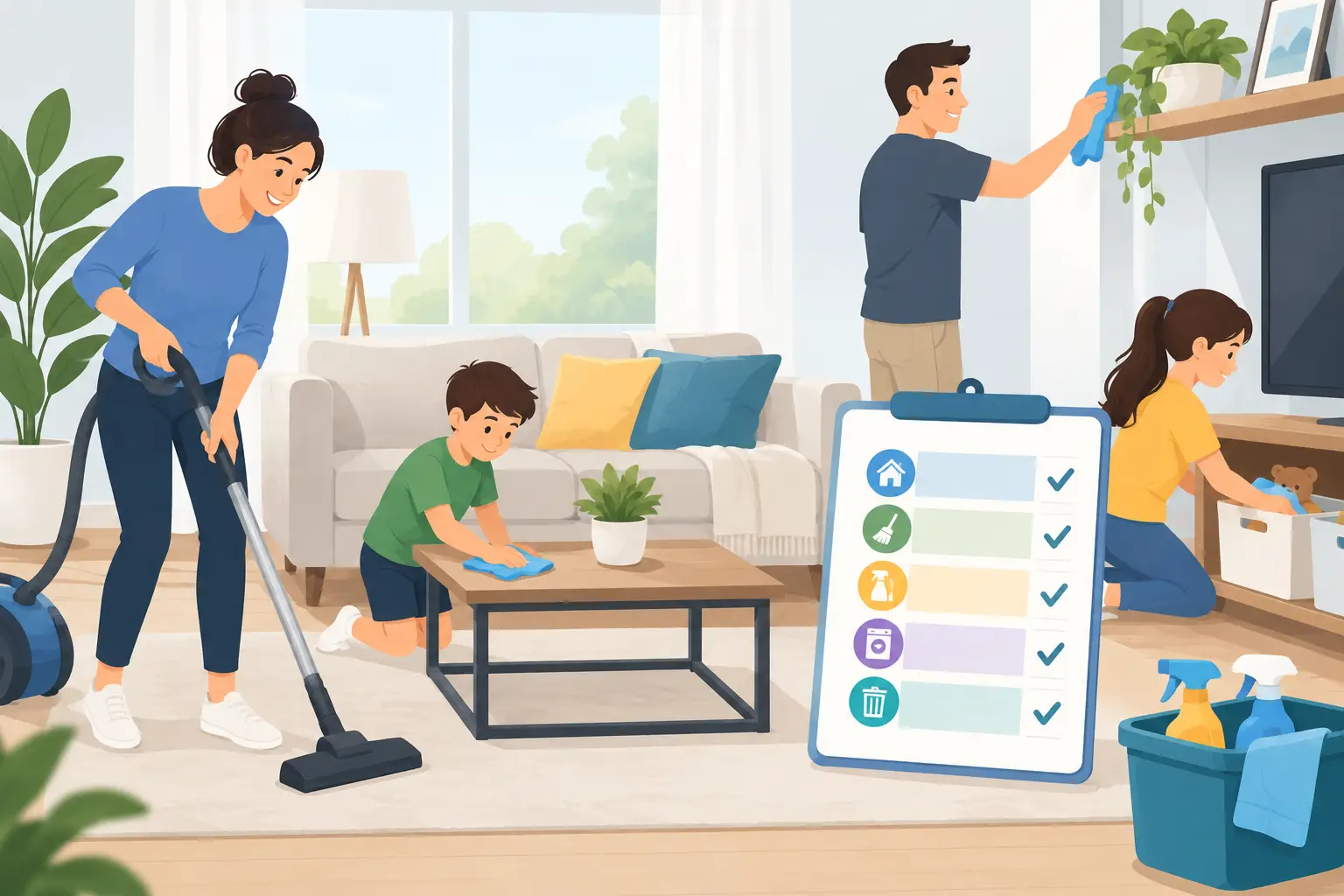
The best schedule is one your household can keep. A large deep clean once or twice a year is helpful, but it cannot replace weekly attention to floors, bedding, bathrooms, and pet areas. For many homes, vacuuming high-use spaces weekly, dusting with microfiber weekly, and washing bedding every week creates a solid baseline.
Homes with multiple pets, carpeting, young children, open windows, or allergy-sensitive residents may need more frequent vacuuming and fabric care. A smaller apartment with no pets and hard flooring may need less. The right frequency depends on what enters the home, who lives there, and where allergens collect most heavily.
For homeowners, renters, and property managers who do not have time for detailed upkeep, recurring professional cleaning can help maintain the routine. Roenter Clean can handle detailed dusting, floor care, bathroom cleaning, and the overlooked areas that allow buildup to return between visits.
A calmer, cleaner home often starts with a few repeatable habits: capture dust instead of scattering it, wash the fabrics people use most, and address moisture before it becomes a larger problem. Those practical steps give your household a more comfortable place to come home to.