

A missed bathroom wipe-down, overflowing trash can, or dusty entryway can make an otherwise clean space feel neglected fast. The right cleaning checklist prevents those small details from becoming a bigger weekend project, a tenant complaint, or a poor first impression for guests and clients.
The goal is not to clean every surface every day. It is to assign the right tasks to the right schedule, based on how the space is used. A busy family home, professional office, and short-term rental need different levels of attention, but each benefits from a clear routine.
Start With a Cleaning Checklist That Fits the Space
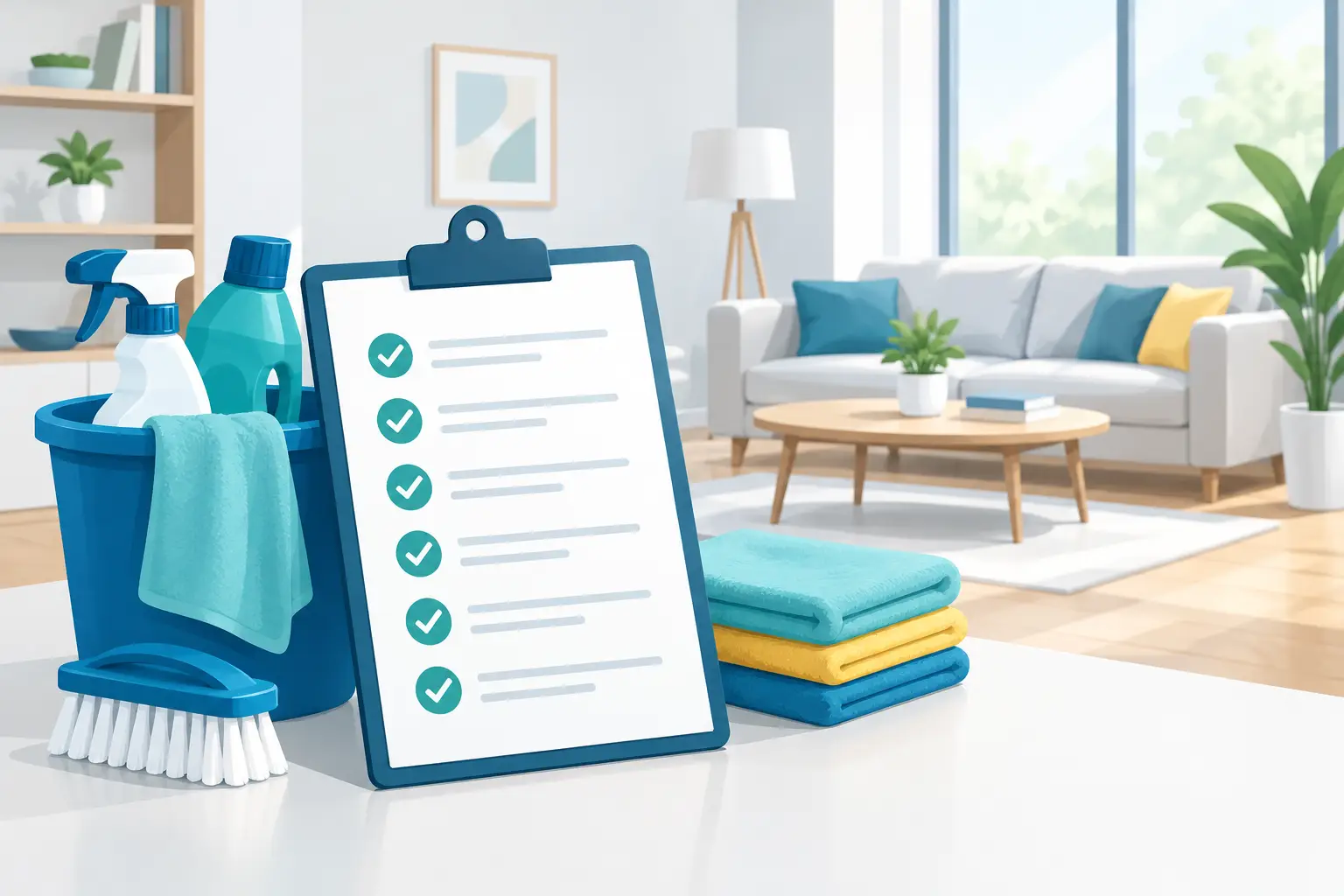
A checklist only works if it is realistic. Trying to deep-clean an entire home every week usually leads to skipped tasks and frustration. Instead, separate cleaning into daily upkeep, weekly resets, monthly detail work, and as-needed specialty cleaning.
High-traffic spaces need more frequent care. Kitchens, bathrooms, lobbies, break rooms, and rental turnovers should be at the top of the list because they collect visible dirt, odors, moisture, and germs faster than bedrooms or storage areas.
Before getting started, clear clutter from counters, floors, and tables. Cleaning around piles of mail, toys, boxes, or office supplies takes longer and leaves surfaces looking unfinished. A quick reset makes every other task more efficient.
Daily Cleaning Tasks
Daily cleaning is about maintaining order and stopping messes before they set in. It does not have to take hours. In a home, 15 to 30 focused minutes can make a noticeable difference. In an office or rental property, the timing depends on traffic and occupancy.
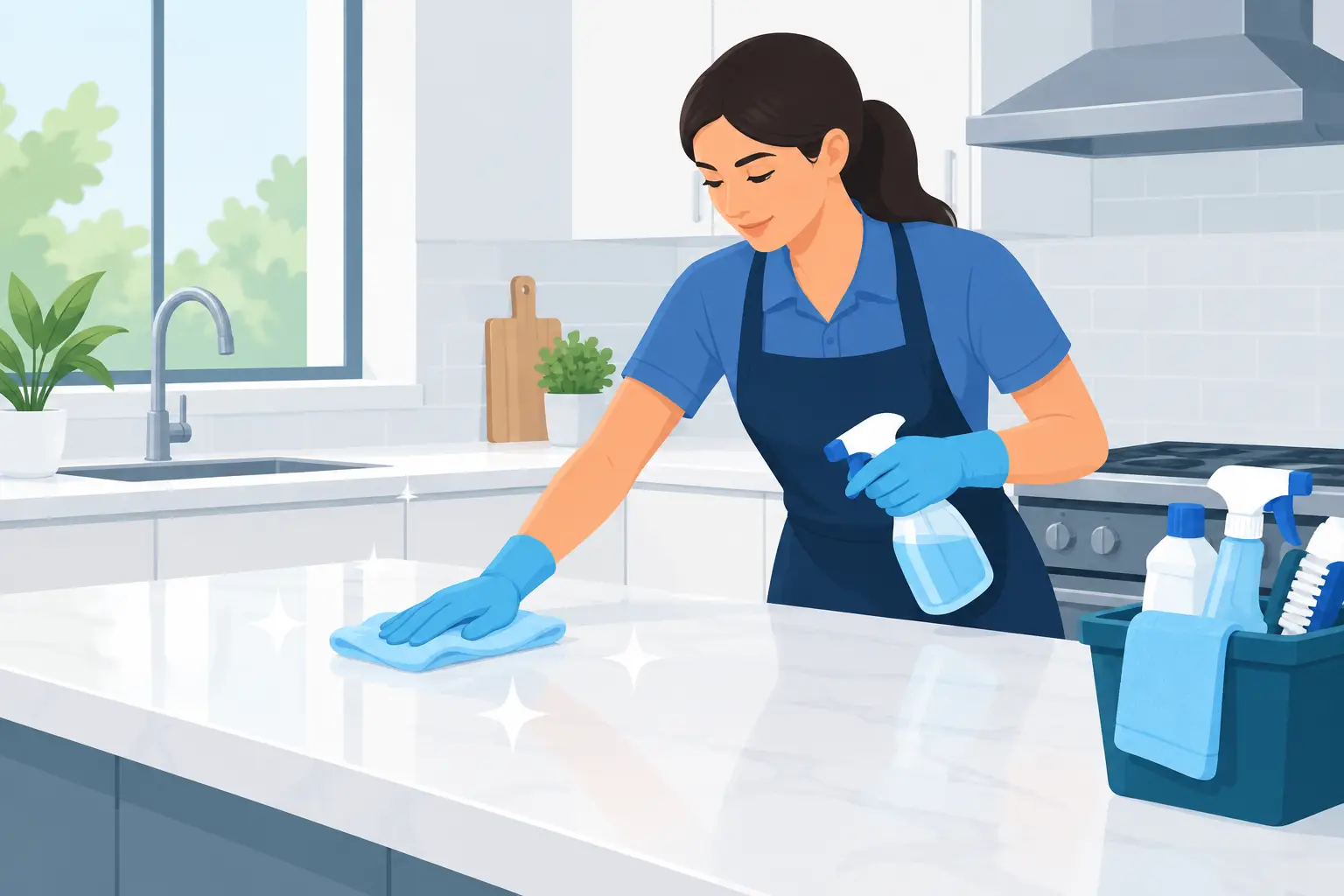
Focus on the areas people see and touch most often. Wipe kitchen counters and dining surfaces after use, wash dishes or load the dishwasher, and sweep up obvious crumbs. Check the sink for food residue, wipe appliance handles, and take out trash when it is full or starts to smell.
Bathrooms also need a brief daily check, especially in shared homes, offices, and guest accommodations. Wipe the vanity, rinse the sink, remove hair from drains, and make sure there is enough toilet paper, hand soap, and clean towels. For rentals, these details directly affect guest confidence.
In commercial spaces, daily attention should include entry doors, reception areas, restroom touchpoints, break room counters, and trash receptacles. Fingerprints on glass, stained tables, and overflowing bins can make a workplace feel less professional than it is.
Weekly Home and Office Cleaning Checklist
Weekly cleaning handles the dirt that routine tidying does not catch. Schedule it for a consistent day or divide it into shorter sessions throughout the week. Consistency matters more than doing everything at once.
Floors, Dust, and High-Touch Surfaces
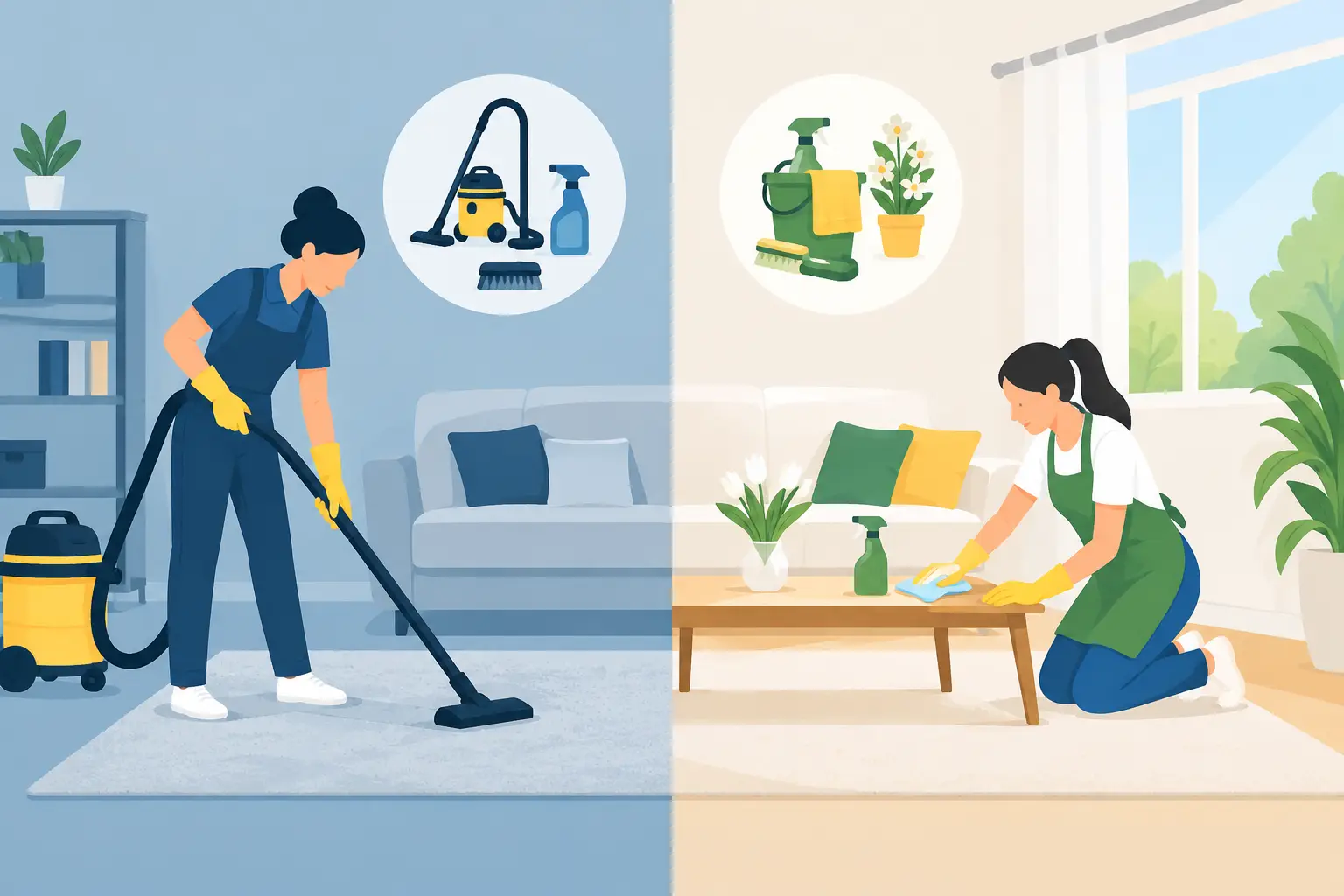
Vacuum carpets, rugs, upholstered furniture, and corners where dust gathers. Sweep and mop hard floors, paying extra attention to kitchens, bathrooms, entryways, and areas around pet bowls. In Palm Beach County, sand, moisture, and outdoor debris can get tracked inside quickly, so entry floors may need extra attention between weekly cleanings.
Dust furniture, shelves, blinds, window sills, ceiling fan blades, baseboards, and electronics. Use a clean microfiber cloth rather than simply moving dust from one surface to another. Wipe high-touch points such as light switches, door handles, cabinet pulls, remotes, keyboards, and phones.
Kitchen Reset
Clean the stovetop, microwave interior, sink, faucet, and backsplash. Wipe the outside of the refrigerator, dishwasher, oven, and small appliances. Check the refrigerator for expired food and wipe shelves if there are spills.
Do not overlook the garbage can. Empty it, clean the lid and rim, and replace the liner. Kitchen odors often come from food residue in the trash can, disposal, sponge holder, or drain rather than from the room itself.
Bathroom Cleaning
Scrub toilets, including the base, lid, flush handle, and surrounding floor. Clean showers, tubs, glass doors, sinks, faucets, mirrors, and vanity fronts. Replace towels and bath mats, then mop the floor thoroughly.
Soap scum and mineral buildup become harder to remove when they sit for weeks. A consistent weekly bathroom routine reduces the need for aggressive products and makes the room easier to maintain.
Monthly Detail Cleaning Tasks
Monthly cleaning covers the places that affect overall cleanliness but are easy to miss during a normal weekly visit. These tasks are especially useful for property managers and homeowners preparing for inspections, guests, or seasonal changes.
Clean inside the refrigerator, wipe pantry shelves, and check under small appliances. Vacuum under sofa cushions, move lightweight furniture to clean underneath, and dust vents, return grilles, and air registers. Wash interior windows where fingerprints and pet nose prints collect, then clean tracks and sills.
In bedrooms, rotate or vacuum mattresses, dust headboards, and wipe nightstands inside and out. Launder blankets, comforters, and decorative pillow covers as needed. In offices, clean chair bases, desk drawers, file cabinet handles, and shared equipment that may not be part of the daily routine.
This is also a good time to inspect cleaning supplies. Replace worn sponges, refill soap dispensers, and discard products that are empty, leaking, or no longer useful. Having the right supplies on hand makes it easier to stay on schedule.
Cleaning Checklists for Rentals and Turnovers
Short-term rentals require a tighter standard because every guest arrives expecting a fresh, ready-to-use space. A turnover checklist should cover sanitation, presentation, inventory, and final inspection – not just visible cleaning.
Start by removing used linens, towels, trash, and leftover food. Clean and disinfect bathrooms and kitchens, then vacuum and mop all floors. Freshly made beds, folded towels, streak-free mirrors, and clear countertops make an immediate difference in photos and in person.
Check dishes, glassware, coffee supplies, remote controls, Wi-Fi information, and basic guest essentials before leaving. Look under beds, inside drawers, behind doors, and in outdoor areas for forgotten items or debris. Finally, walk through the property as if you were a guest arriving for the first time.
A fast turnover can be necessary, but rushing without a quality check creates preventable problems. When occupancy is high, a professional cleaning team can keep turnovers consistent while allowing hosts to focus on bookings and guest communication.
When a Standard Checklist Is Not Enough
Some situations call for more than routine cleaning. Post-construction dust settles into vents, ledges, and corners long after the work appears finished. Move-outs may require inside-cabinet cleaning, wall spot treatment, appliance detailing, and attention to areas hidden by furniture.
Deep cleaning is also useful before starting a recurring service plan. It brings the space to a maintainable baseline, so regular visits can focus on ongoing upkeep rather than catching up on months of buildup.
For office managers, the right schedule depends on employee count, customer traffic, restroom use, and the type of business. A quiet office may only need weekly service, while a client-facing workplace, medical-adjacent setting, or busy shared workspace may need cleaning several times per week.
Make the Routine Easier to Maintain
Keep supplies where they are needed. Store bathroom products in each bathroom, keep a small set of kitchen essentials under the sink, and place a doormat at every active entrance. These simple steps reduce the time between noticing a mess and taking care of it.
Assign responsibility when multiple people use the space. In a household, that may mean dividing daily resets and weekly chores. In a workplace or rental operation, it means setting clear expectations and using a checklist that can be reviewed after each service.
When the schedule becomes difficult to manage, professional support can keep standards consistent. Roenter Clean helps homeowners, offices, rental hosts, and property managers throughout Palm Beach County maintain detailed, dependable cleaning without adding another task to an already full schedule.
A clean space does more than look better. It gives residents, employees, clients, and guests confidence that the property is cared for – and that feeling is worth protecting one routine task at a time.