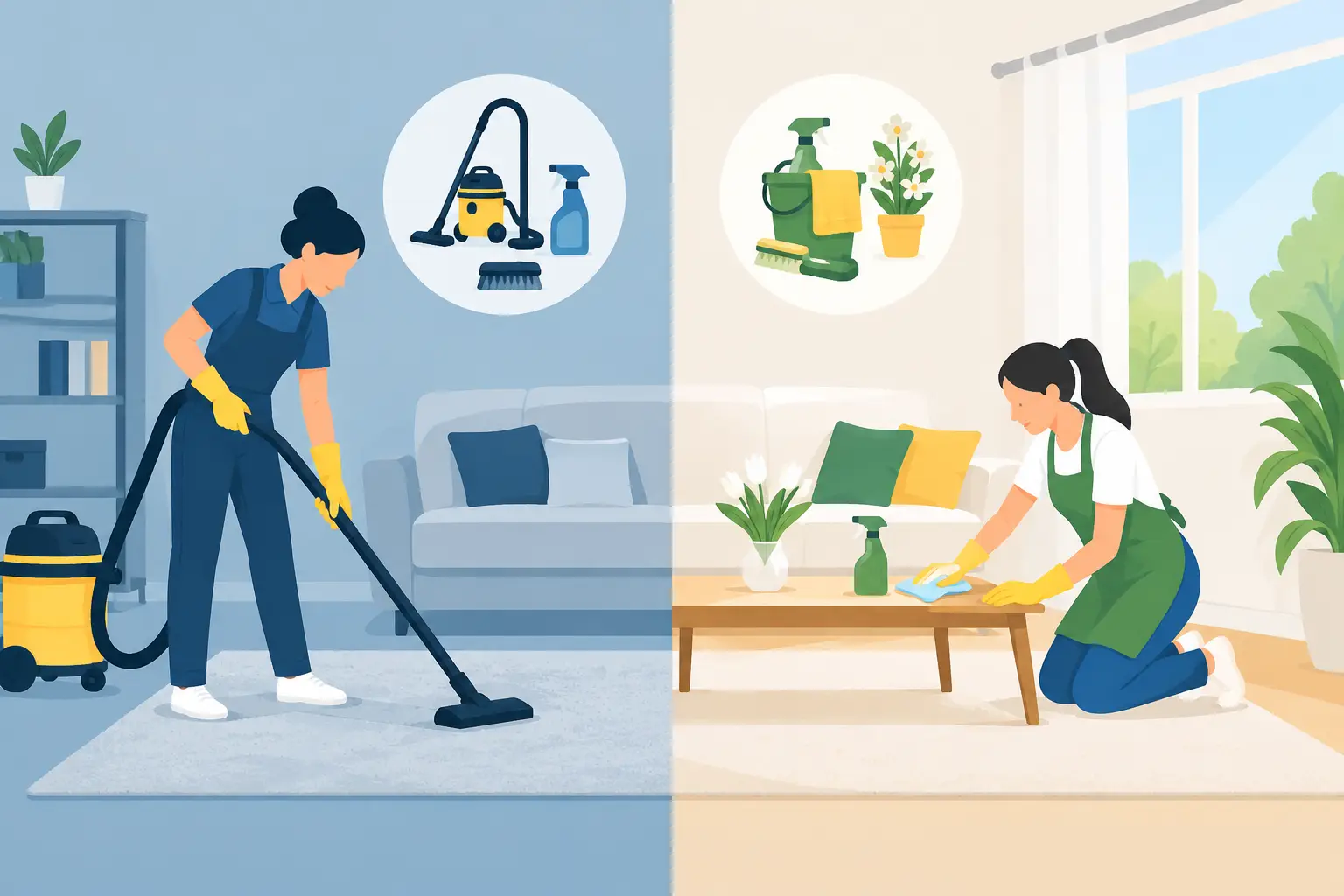


A four-hour gap between guests can feel comfortable until the previous guest checks out late, leaves sand in every room, and uses every towel in the unit. This Airbnb turnover cleaning example shows what a reliable reset should look like, from the first walkthrough to the final guest-ready check. For Palm Beach County hosts, a consistent turnover process protects your reviews, your schedule, and the condition of your property.
Why Turnover Cleaning Is Different From Regular Cleaning
A standard home cleaning keeps a space maintained. An Airbnb turnover cleaning prepares a property for a new guest who expects the rental to feel fresh, stocked, and untouched. That means cleaning is only part of the job.
The cleaner also needs to look for damage, remove leftover items, reset beds, replace towels, restock essentials, and make sure the property matches the listing photos and guest expectations. A missed hair in the shower or a half-empty toilet paper roll may seem minor, but it can become the first detail a guest notices.
Turnovers also run on a deadline. The work must be thorough without slowing down check-in. That requires a repeatable process, clear communication, and enough time to handle surprises such as stained linens, overflowing trash, or a guest who leaves the kitchen in poor condition.
Airbnb Turnover Cleaning Example: A Two-Bedroom Rental
Consider a two-bedroom, two-bath vacation rental near the coast. Checkout is at 10:00 a.m., and the next guest arrives at 4:00 p.m. The previous guests were a family of four, so the unit needs a complete reset rather than a quick tidy.
The turnover begins with a walkthrough before supplies or laundry are moved. The cleaner checks every room for personal belongings, obvious damage, stains, missing items, and maintenance concerns. If a lamp is broken, a cabinet handle is loose, or an appliance is not working properly, the host needs to know immediately. Photos and a short report can prevent confusion later.
Next, all used linens and towels are collected. Beds are stripped, bathroom towels are removed, and dirty kitchen cloths are taken out of service. Fresh, clean linens should be inspected before they go back into the rental. Using stained or wrinkled sheets can make an otherwise clean property feel neglected.
The cleaner then removes trash from every room, including bathroom bins, outdoor areas, and refrigerator leftovers. This is followed by a top-to-bottom cleaning sequence so dirt and dust are not carried back onto completed surfaces.
Kitchen reset
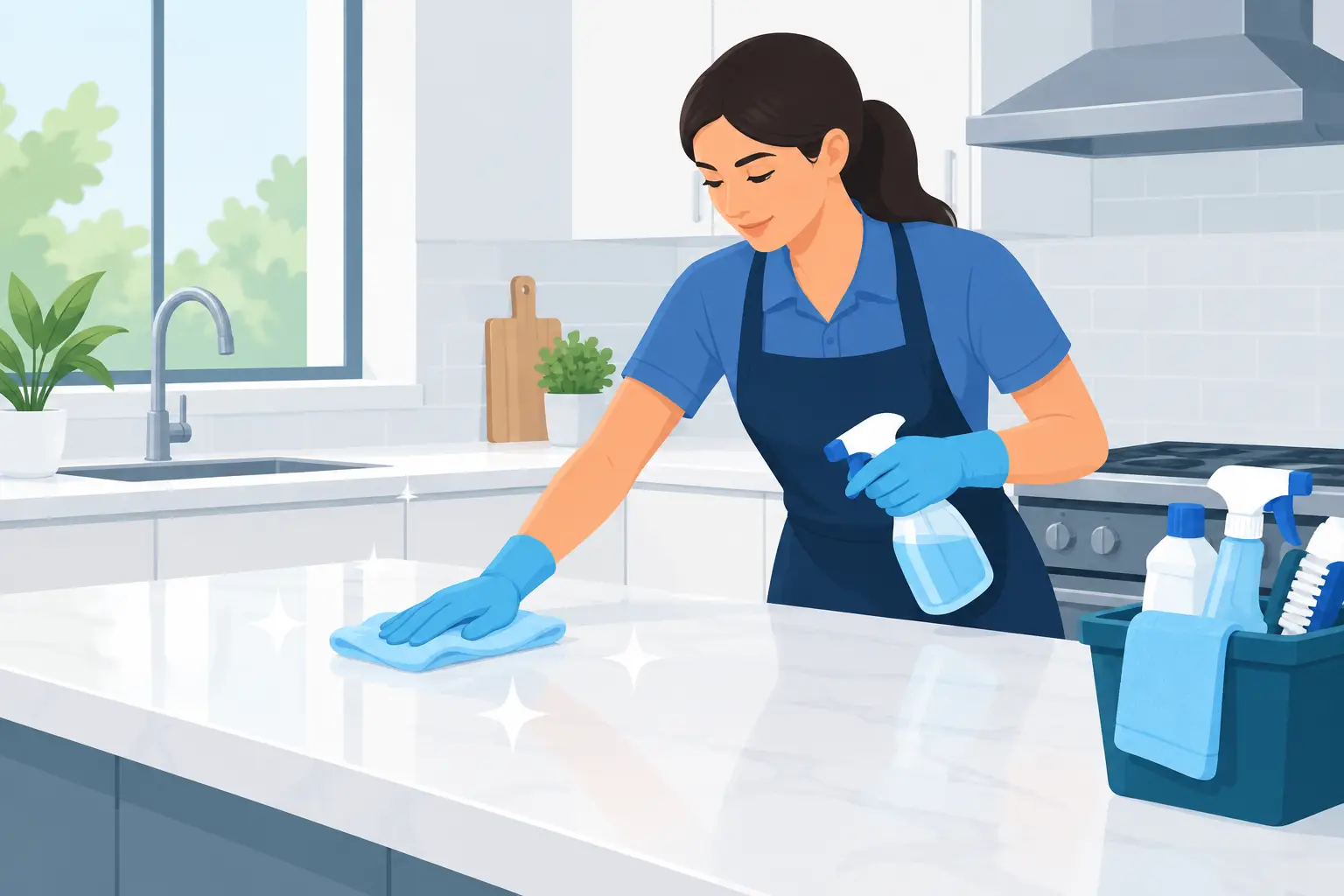
In the kitchen, dishes are checked, washed, and put away. Counters, cabinet pulls, appliance exteriors, the sink, and the stovetop are cleaned and sanitized. The microwave is checked for spills, and the refrigerator is emptied of guest food and wiped down as needed.
A proper reset includes restocking the basics listed in the rental setup: dish soap, dishwasher pods, a fresh sponge, paper towels, trash bags, and coffee supplies if the host provides them. The goal is not to overstock the kitchen. It is to make sure the next guest does not arrive to an empty roll of paper towels or a full trash can.
Bathroom reset
Bathrooms are where guests look most closely for cleanliness. Toilets, showers, tubs, sinks, mirrors, counters, fixtures, and floors need detailed attention. Hair removal matters, especially in drains, corners, shower walls, and around the toilet base.
Fresh towels are folded consistently and placed where guests expect them. Toiletries and toilet paper are replenished. A final check confirms that the toilet flushes, the faucet works, and the mirror is streak-free. In humid South Florida rentals, leaving the bathroom dry and well ventilated also helps control lingering odors.
Bedroom and living area reset
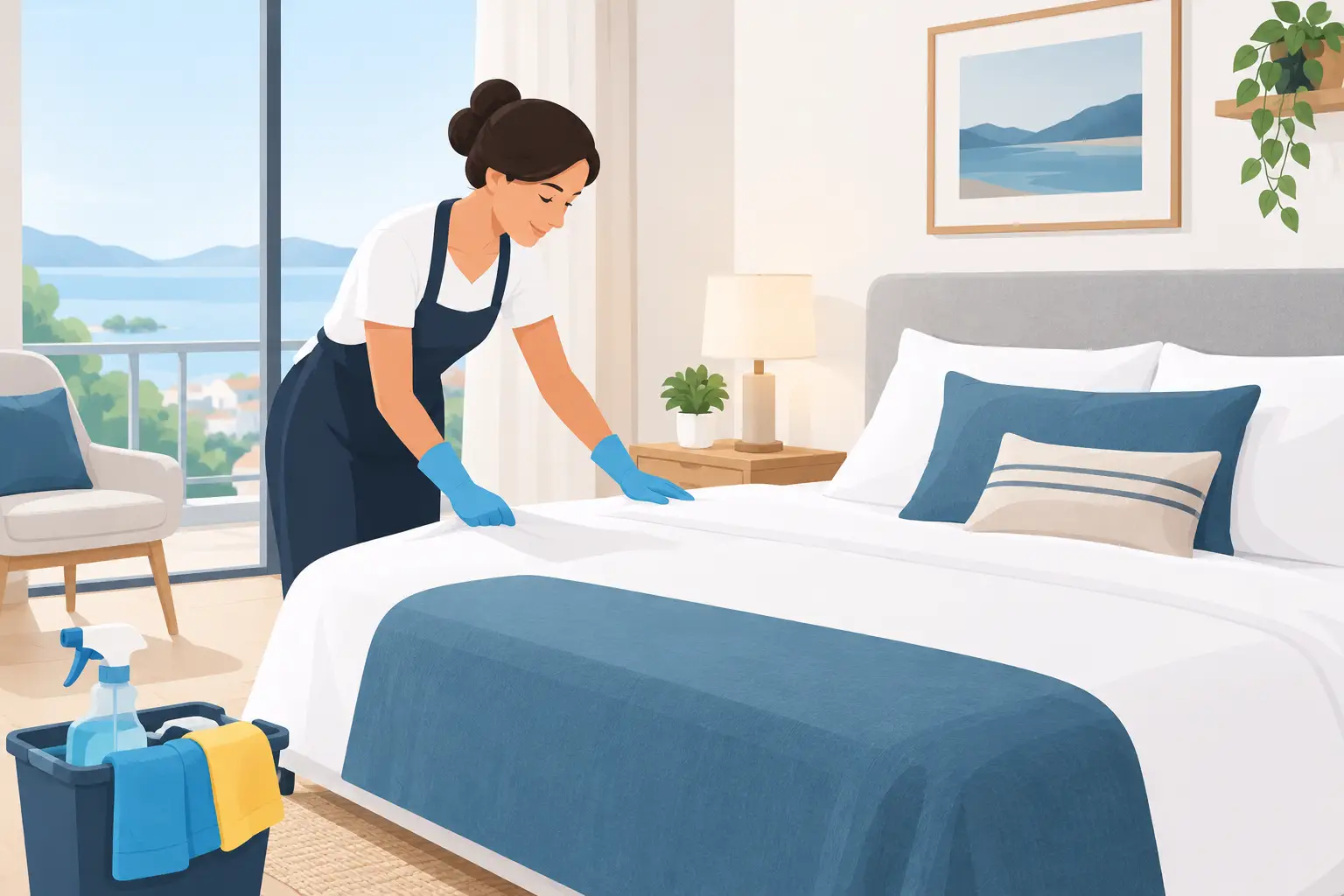
Bedrooms are dusted, vacuumed, and reset with fresh linens. The bed should be neatly made with pillows arranged consistently. Nightstands, lamps, remotes, closets, and under-bed areas should be checked for forgotten belongings.
In the living room, cleaners wipe high-touch surfaces, straighten furniture, clean glass tables, vacuum upholstery when needed, and check beneath cushions. Floors are vacuumed and mopped based on the surface type. Remotes should be placed in their designated location, and the television should be turned off unless the host has a different setup preference.
Entry, outdoor, and final presentation
The front door, entry mat, patio, balcony, and outdoor furniture deserve attention because they shape the guest’s first impression. Sand, leaves, cobwebs, and discarded drink cups can make a clean interior feel less welcoming. For properties with pools or outdoor seating, the turnover plan should clearly define what the cleaning team handles and what requires a pool or landscape vendor.
Before leaving, the cleaner checks lights, air conditioning, blinds, locks, smoke detectors if accessible, and any smart-home devices included in the turnover instructions. The property should smell clean, but heavy fragrances are usually a poor substitute for actual cleaning and can bother sensitive guests.
A Practical Turnover Workflow
The strongest cleaning teams follow the same order every time. It reduces missed details and makes it easier for hosts to spot problems quickly. A typical workflow includes:
- Walk through the property, document damage, and collect left-behind items.
- Strip beds, gather towels, remove trash, and start laundry or prepare linen replacements.
- Clean and sanitize bathrooms and the kitchen while working from high surfaces to floors.
- Dust, vacuum, mop, and reset bedrooms, living spaces, and entry areas.
- Restock approved supplies, make beds, stage towels, and complete a final quality check.
This workflow can change depending on the property. A one-bedroom condo may be turned in two to three hours, while a larger home with multiple bathrooms, bunk beds, outdoor areas, or heavy guest use may require more time and more than one cleaner.
What Hosts Should Include in Their Cleaning Instructions
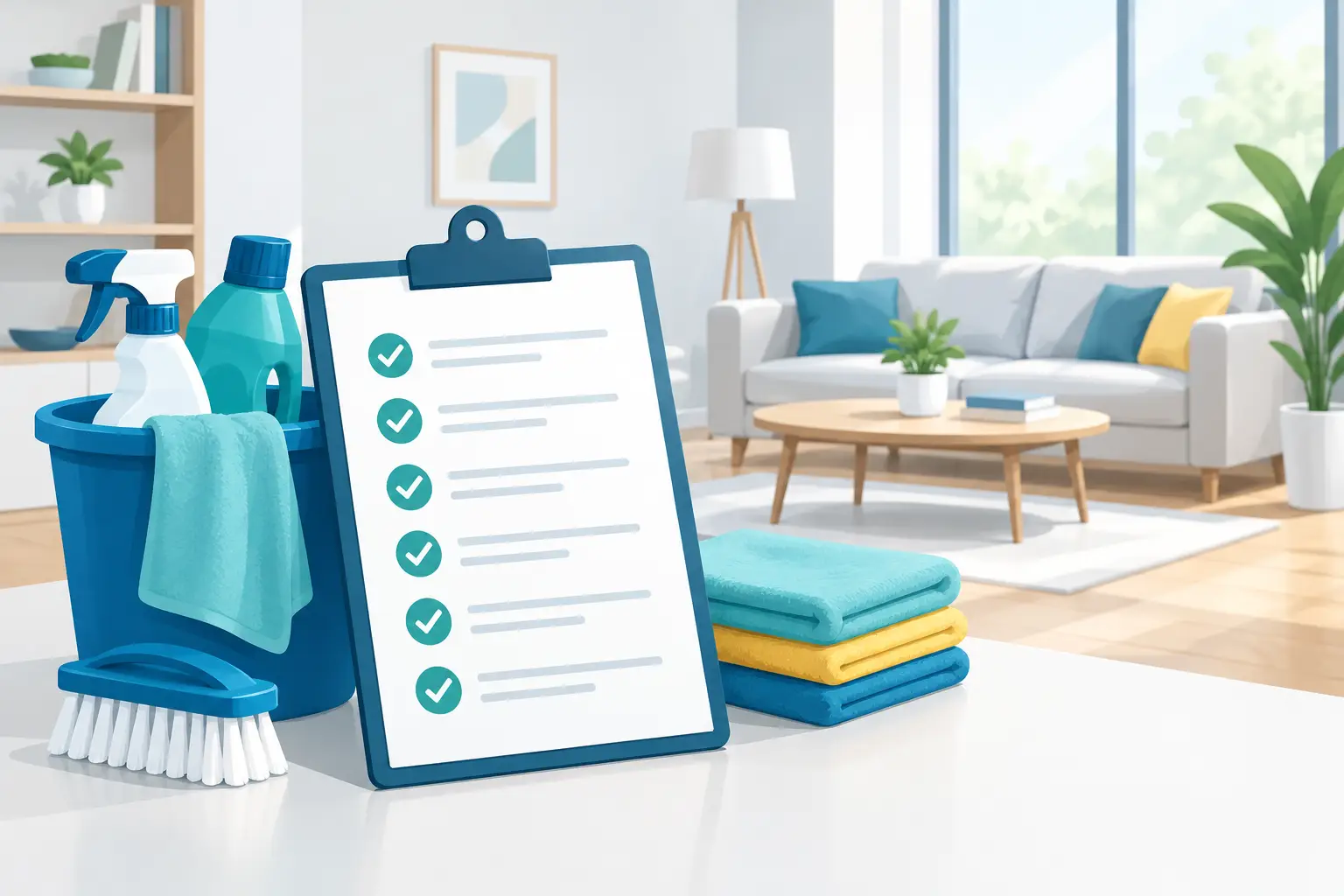
Even an experienced cleaner needs property-specific instructions. A written turnover checklist avoids assumptions and helps maintain the same standard when schedules change or multiple team members service the rental.
Your instructions should identify where fresh linens are stored, which supplies to restock, how many towels to set out, and where to place remote controls. Include appliance notes, parking details, Wi-Fi equipment locations, trash pickup rules, pet policies, and any areas that should not be accessed.
It also helps to define what counts as an urgent issue. For example, a small spill may be handled during the turnover, while a broken lock, water leak, missing smoke detector, or major guest damage should be reported immediately. Clear reporting keeps the host in control without requiring them to inspect the unit after every stay.
Common Turnover Problems and How to Prevent Them
The most common issue is treating the cleaning as a speed-only task. Fast is valuable, but a rushed turnover can leave behind crumbs, hair, fingerprints, odors, or missing supplies. Those details directly affect guest confidence.
Another issue is relying on one general checklist for every property. A condo with a washer and dryer has different needs than a house with beach gear, a grill, and five bedrooms. The checklist should be consistent but customized.
Laundry is another frequent bottleneck. If the property does not have enough backup linens, cleaners may be forced to wait for loads to finish. Keeping multiple complete sheet and towel sets allows the cleaner to reset beds immediately and handle laundry without threatening the check-in window.
Finally, hosts should plan for occasional deep-cleaning work. Turnovers keep the rental presentable, but grout, baseboards, blinds, upholstery, inside appliances, and window tracks need periodic detailed service. The right schedule depends on guest volume, property type, pets, and how quickly sand and humidity affect the space.
When Professional Turnover Cleaning Makes Sense
Self-managing a rental can work when bookings are occasional and you live nearby. Professional help becomes especially useful when reservations are frequent, checkouts overlap with work or travel, or the property has enough rooms that a rushed clean creates risk.
A professional team can also give hosts a consistent point of contact for cleaning, restocking, and condition reporting. Roenter Clean provides detailed Airbnb and short-term rental cleaning for hosts who need dependable scheduling and guest-ready results across Palm Beach County.
A great turnover does more than remove the last guest’s mess. It gives the next guest a clean, calm first impression before they unpack a single bag.