

A late turnover, an occupied conference room, or a contractor still working in the hallway can turn a routine cleaning appointment into lost time. To reduce cleaning downtime, the goal is not to rush the work. It is to remove the delays that keep cleaning from starting, slow the team once it begins, or force a space to be cleaned twice.
For homeowners, downtime may mean losing an evening or weekend to catch-up cleaning. For office managers, it can mean disrupting employees or leaving customer-facing areas below standard. For property managers and Airbnb hosts, every extra minute between guests can affect check-in readiness and revenue. A better plan keeps the property clean without creating unnecessary interruptions.
Identify What Is Actually Causing Delays
Cleaning delays rarely come from one major issue. More often, they come from small operational problems that add up: unclear access instructions, cluttered surfaces, missing supplies, last-minute schedule changes, or an unclear definition of what needs attention.
Start by looking at where the process slows down. If a cleaning team routinely waits for a tenant to leave, access codes to arrive, or furniture to be moved, the issue is preparation. If the cleaning itself takes longer than expected, the property may need a deeper reset, a better recurring schedule, or a different scope of service.
This distinction matters. Asking a cleaner to work faster will not solve a property that has months of buildup in kitchens, restrooms, floors, or high-touch areas. In those cases, a detailed deep cleaning creates a better baseline. After that, recurring service is usually faster, more predictable, and easier to schedule around daily operations.
Plan Cleaning Around How the Space Is Used
The best cleaning schedule depends on occupancy, traffic, and the condition of the space. A quiet office with a small team may be cleaned after business hours once or twice a week. A busy lobby, medical-adjacent workspace, salon, or retail location may need frequent touch-ups to keep restrooms, entryways, and counters presentable throughout the day.
Residential schedules should also match real life. A weekly or biweekly appointment works well for many households, especially when pets, children, or frequent guests create consistent mess. For a vacation home or rental property, the schedule needs to follow check-outs, maintenance visits, and incoming reservations instead of a fixed calendar day.
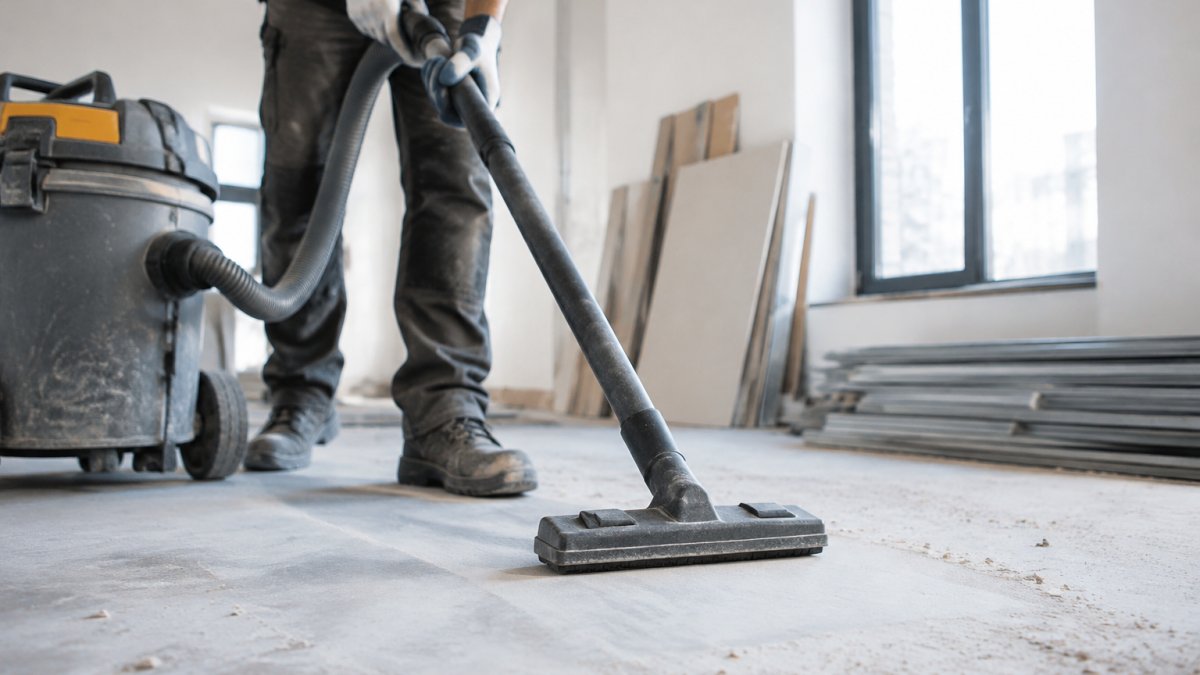
Cleaning during low-traffic hours is often the simplest way to protect productivity. Offices can schedule after closing or before opening. Short-term rental hosts can set a cleaning window immediately after checkout, with enough buffer for laundry, inspection, and minor repairs. Contractors can schedule post-construction cleaning after dusty work is complete, not while crews are still sanding, painting, or cutting materials.
There is a trade-off. Very narrow cleaning windows can be efficient when everything goes according to plan, but they leave little room for late departures, extra soil, or maintenance problems. If a space must be ready by a hard deadline, build in a reasonable buffer rather than relying on a last-minute turnaround every time.
Prepare the Property Before the Team Arrives
A professional cleaner can handle the cleaning work efficiently, but access and basic readiness make a major difference. Preparation does not mean cleaning before the cleaner arrives. It means making the space accessible and ensuring the service can begin without unnecessary obstacles.
For homes, put away personal items from countertops, clear the sink if dishes are not included in the service, and secure pets if needed. For offices, make sure the team can enter the building, access restrooms and break rooms, and work without confidential documents spread across desks. For rentals, confirm that guests have fully departed and that the property is free of belongings before turnover begins.
A clear pre-service routine should cover these practical details:
- Confirm the arrival window, entry instructions, parking, and alarm or gate access.
- Share any priority areas, such as a spill, guest complaint, restroom issue, or move-out deadline.
- Clear work areas of personal items, boxes, equipment, and loose debris when possible.
- Let the cleaning team know about pets, restricted rooms, fragile surfaces, or building rules.
- Report maintenance issues early, including leaks, broken fixtures, pest concerns, or damaged flooring.
These steps prevent stop-and-start work. They also make it easier for a cleaning provider to assign the right amount of time and the right service for the condition of the property.
Use a Clear Scope Instead of Assumptions
Many cleaning delays happen because two people have different expectations. A client may assume interior appliances, interior cabinets, wall washing, or heavy debris removal are included. The cleaning team may be scheduled for standard recurring service, which is designed for routine upkeep rather than intensive restoration.
Before service begins, define the scope in practical terms. Which rooms are included? Are floors, baseboards, windows, or interior appliances part of the appointment? Is the property occupied, vacant, newly renovated, or being prepared for guests? Does the job require laundry turnover, restocking, or special attention to odors and pet hair?
This is especially important for post-construction and move-out cleaning. Fine dust can settle again after the first pass, and construction debris may require a separate removal plan. A realistic scope avoids disappointing results and prevents a cleaner from having to return because the job was larger than originally described.
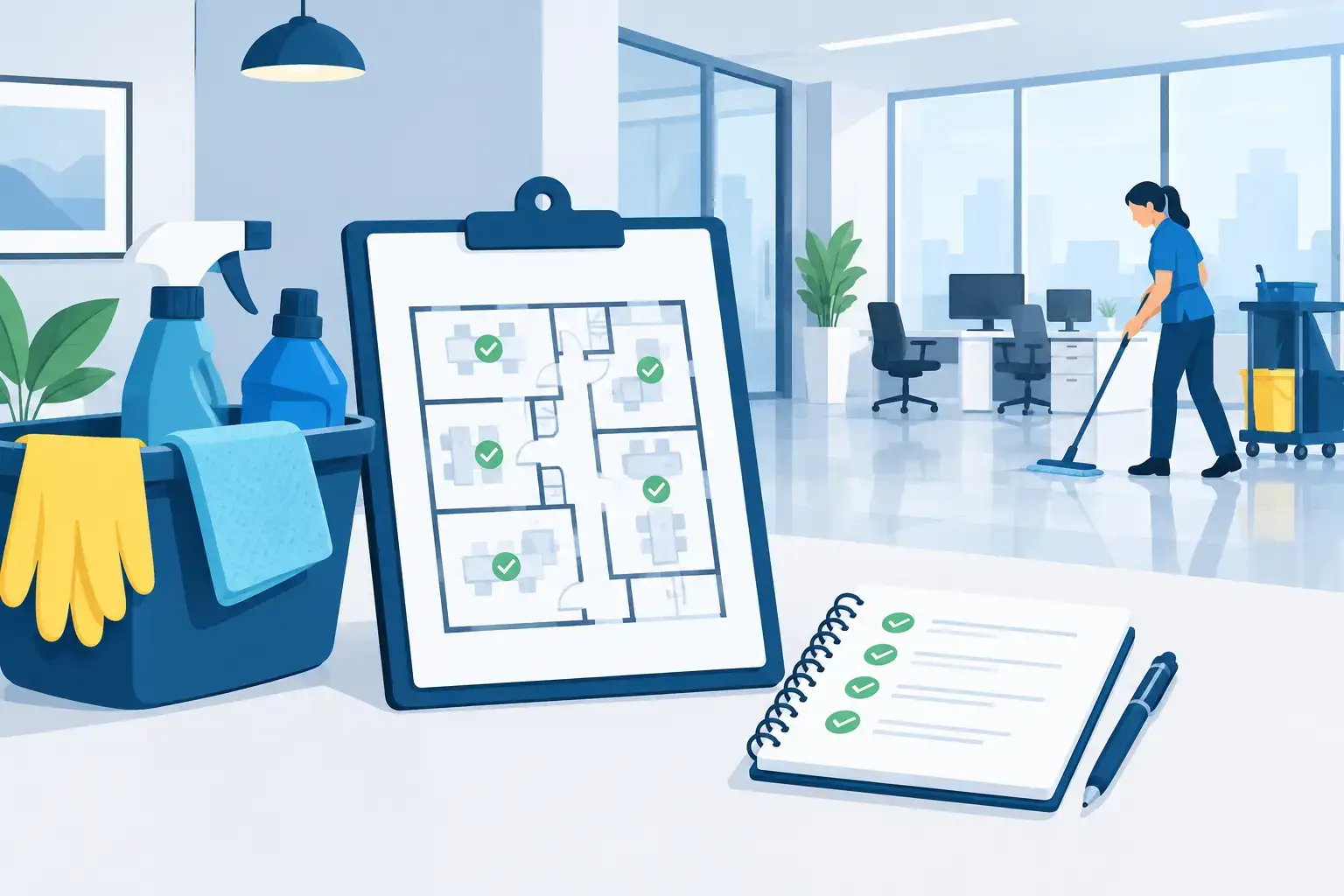
For commercial properties, a written checklist creates consistency. It helps office managers verify that restrooms, trash, floors, common areas, and touchpoints are handled on every visit. It also gives everyone a simple way to communicate changes without rebuilding the entire service plan.
Reduce Cleaning Downtime With Preventive Maintenance
The fastest cleaning job is one that does not start with heavy buildup. Preventive maintenance keeps dirt, dust, soap residue, and clutter from turning into a labor-intensive project.
In offices, this may mean placing floor mats at entrances, emptying personal desk trash regularly, and addressing spills immediately. In homes, wiping kitchen counters after cooking and keeping shower surfaces dry can reduce grease and soap buildup. In rental properties, routine inspections between stays catch small issues before they become urgent cleaning or repair problems.
Window cleaning is another good example. Regular cleaning typically takes less time and produces a clearer result than waiting until hard-water spots, salt residue, pollen, or grime have set in. The same applies to tile, grout, appliances, and high-touch surfaces.
Preventive work should not shift all responsibility to the client. A professional cleaning plan is still designed to take routine cleaning off your schedule. The point is to keep the property at a manageable baseline so every visit delivers visible results without avoidable delays.
Choose the Right Cleaning Frequency
Cleaning too infrequently can create downtime because every appointment becomes a deep cleaning. Cleaning too often can be unnecessary for low-traffic spaces. The right frequency depends on how quickly the property gets dirty and how important appearance is to its use.
A family home with pets may need weekly or biweekly cleaning. A lightly used office may do well with regular service once a week, while a busy workplace needs more frequent attention to restrooms, floors, and common spaces. Airbnb hosts should base cleaning frequency on turnover volume and leave enough time for quality checks between guests.
If you are unsure where to start, begin with the actual condition of the space, not an idealized schedule. A property that looks clean but has neglected baseboards, buildup in bathrooms, or dusty vents may benefit from an initial deep clean followed by maintenance visits. This approach often reduces total disruption over time because the routine service is working from a clean foundation.
Keep Communication Fast and Specific
Fast communication is one of the simplest ways to avoid missed appointments and repeat work. When plans change, notify the cleaning provider as early as possible. A delayed checkout, building access issue, unexpected event, or construction delay can affect staffing and timing.
Be specific when reporting concerns. Instead of saying a room needs extra attention, identify the issue: coffee stains on a carpet, fingerprints on glass doors, sticky kitchen floors, or a restroom that needs immediate service. Clear details help the team bring the right supplies, allow enough time, and focus on the areas that matter most.
For property managers with multiple units or offices, one point of contact can keep instructions organized. A simple shared process for keys, access codes, priority notes, and completion checks prevents confusion without adding more administration to the day.
Build Quality Checks Into the Schedule
A rushed cleaning that needs correction creates more downtime than a properly scheduled cleaning with a final walkthrough. Before a guest arrives, an office opens, or a homeowner returns, confirm that the space is clean, accessible, and ready for use.
Quality checks should focus on the details people notice first: floors, mirrors, glass, restrooms, trash removal, kitchen surfaces, odors, and entry areas. For rentals, confirm linens, supplies, and guest-facing presentation. For offices, check reception areas and restrooms before employees or customers arrive.
Roenter Clean helps Palm Beach County homes, offices, rentals, and job sites stay on schedule with detailed service plans built around the condition and use of each space. The right cleaning plan gives you more than a spotless result – it gives you a property that is ready when you need it.