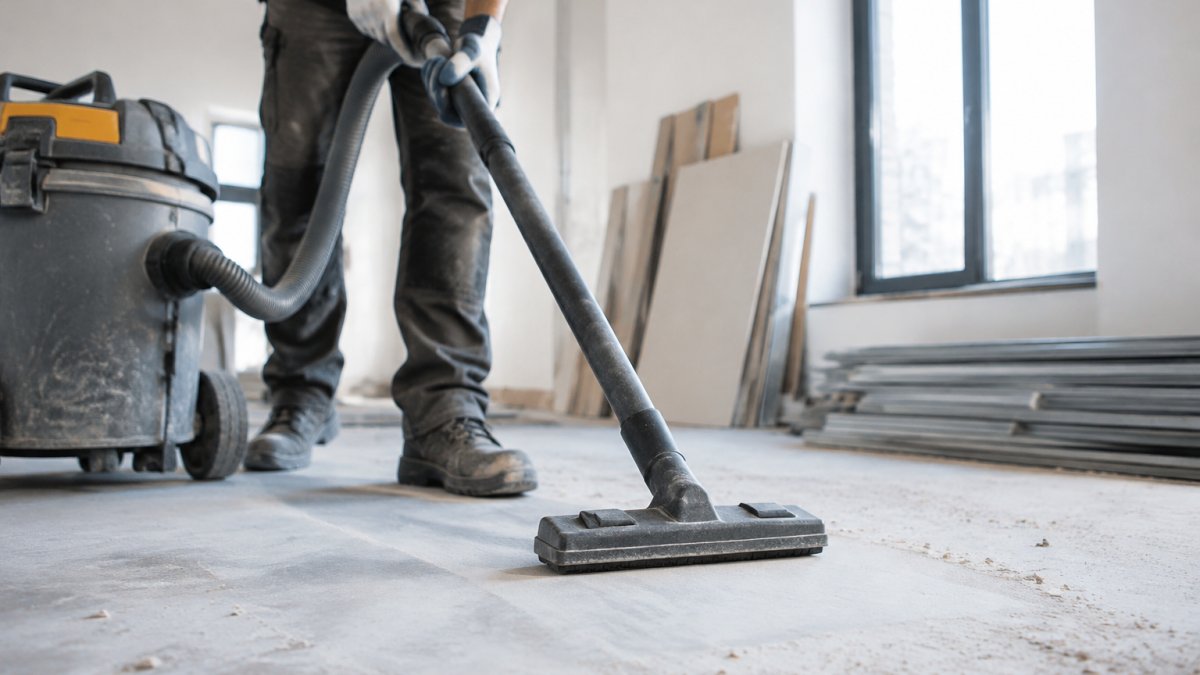


A missed cleaning detail can turn a routine turnover into a complaint, a delayed move-in, or a bad guest review. A clear property manager cleaning workflow gives every property the same standard of care, whether you manage one rental home, a busy office suite, or multiple short-term rentals. The goal is simple: clean spaces thoroughly, document the work, and keep everyone informed before small issues become expensive problems.
Why a Property Manager Cleaning Workflow Matters
Cleaning is often treated as the final task between tenants, guests, contractors, and inspections. In reality, it affects nearly every part of property operations. A home that is not properly cleaned can hide maintenance concerns, hold up a new resident, or create the wrong first impression before a showing.
A defined workflow removes guesswork. It sets expectations for what is cleaned, when it is cleaned, who approves the work, and how exceptions are handled. That consistency matters when managing multiple units, changing teams, or coordinating tight turnover schedules.
The workflow should not be identical for every property. A vacant apartment after a year-long lease needs a different level of attention than a furnished vacation rental between guests. An office may need recurring restroom sanitation and floor care, while a post-construction space may require detailed dust removal and debris cleanup. The process should stay consistent, but the scope should match the property’s actual condition and use.
Start With a Clear Scope Before Cleaning Begins
The most reliable cleaning starts before a cleaner arrives on-site. Property managers should provide the address, access instructions, service date, property type, occupancy status, and expected completion time. If there are special concerns, such as pet hair, smoke odor, construction dust, mold concerns, or heavy buildup in a kitchen, share them upfront.
A walkthrough or photo review is especially useful for move-outs and first-time service. It helps establish whether the property needs standard cleaning, deep cleaning, post-construction cleaning, or a more specialized service. It also prevents a common issue: booking a routine cleaning for a property that requires several more labor-intensive hours of work.
The scope should state what is included. For example, a turnover cleaning may cover kitchens, bathrooms, floors, baseboards, interior glass, dusting, appliance exteriors, and final trash removal. If interior oven cleaning, refrigerator cleaning, laundry service, window washing, or patio cleanup is needed, it should be identified before scheduling. Clear scope protects the manager, the owner, and the cleaning team from avoidable surprises.
Build the Property Manager Cleaning Workflow Around Timing
A good schedule leaves room for real-world conditions. Tenants may leave later than planned, repair work may run long, or a guest may request an early check-in. Cleaning should be coordinated with inspections, maintenance, pest control, painting, carpet service, and key exchange rather than treated as a separate task.
Confirm access and readiness
The day before service, confirm that the property is vacant or accessible and that utilities are active. Water and electricity are essential for a complete clean. If contractors are still sanding, painting, or installing fixtures, it is usually better to schedule cleaning after their work is finished. Otherwise, dust and debris can return immediately.
For short-term rentals, verify checkout and check-in times, linen needs, inventory expectations, and any guest-specific requests. A fast turnover only works when the cleaning team has accurate timing and reliable entry access.
Complete the clean in a logical order
Cleaning should move from high areas to low areas and from dry tasks to wet tasks. Dusting ceiling fans, vents, blinds, ledges, and baseboards first prevents debris from falling onto already-cleaned floors. Kitchens and bathrooms should receive detailed attention because these areas create the strongest impression of cleanliness and are most likely to generate complaints.
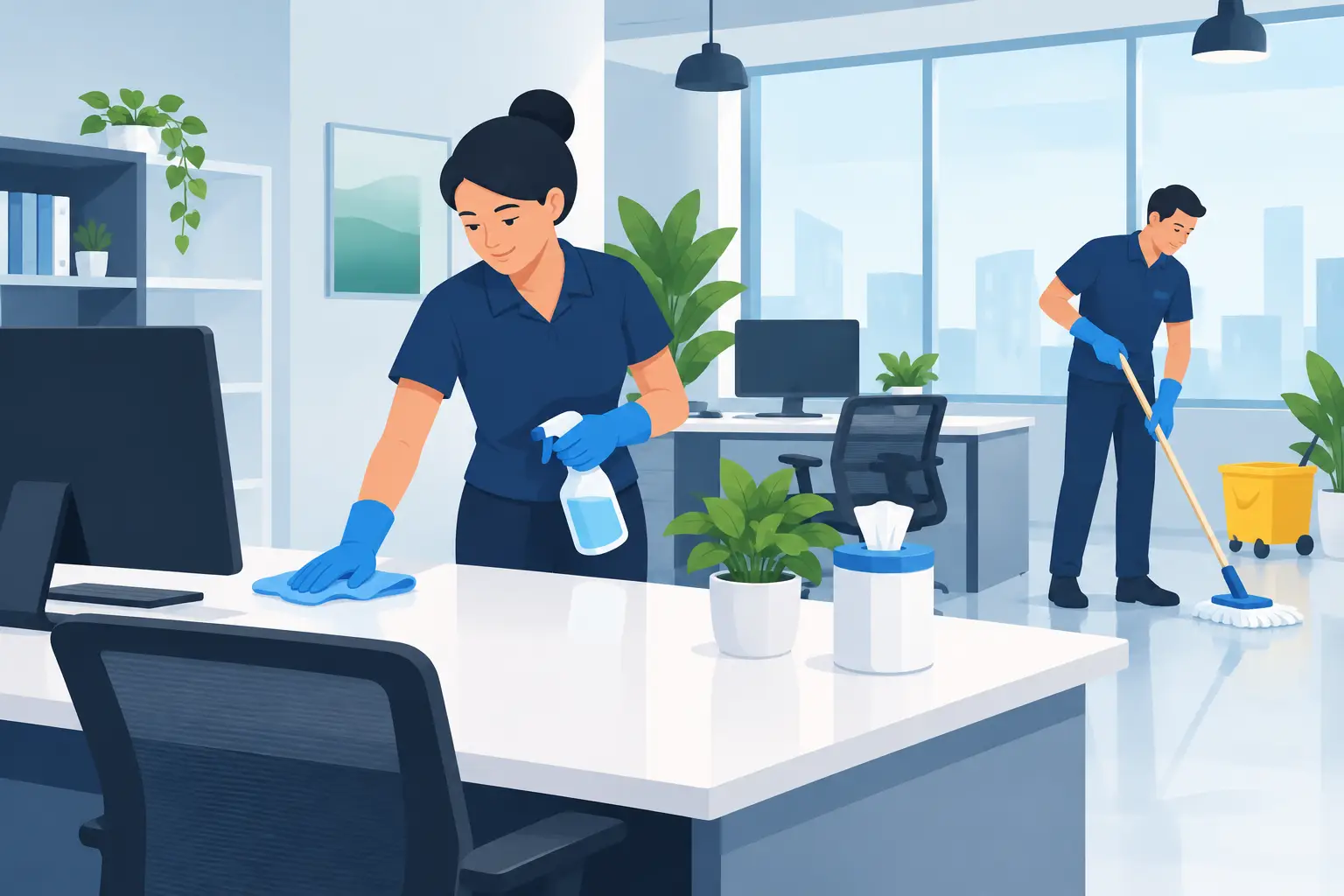
In kitchens, the focus is on grease, crumbs, fingerprints, sinks, counters, appliance surfaces, cabinet fronts, and floors. In bathrooms, cleaners should address soap residue, toilet sanitation, mirrors, fixtures, grout areas, and hair removal. Bedrooms, living spaces, and offices need careful dusting, vacuuming, surface cleaning, and visible detail work around corners, switches, and doors.
A rushed clean can make a property look acceptable at first glance while missing the details residents and guests notice right away. Streaked mirrors, hair in a shower, debris in drawers, or dust on blinds can undermine otherwise solid work. The best workflow reserves enough time for detail finishing, not just the obvious surfaces.
Handle linens, supplies, and trash separately
For furnished rentals and vacation properties, cleaning is only one part of readiness. Fresh linens, towels, toiletries, paper goods, and basic kitchen inventory may need to be checked and replenished. These tasks should have their own checklist so they are not overlooked while the team is focused on cleaning.
Trash removal also needs a clear rule. The team should know where exterior bins are located, what to do if bins are full, and how to report abandoned items or unusually large amounts of debris. For a move-out, personal belongings should not be discarded without manager approval.
Use Checklists Without Turning Them Into a Substitute for Judgment
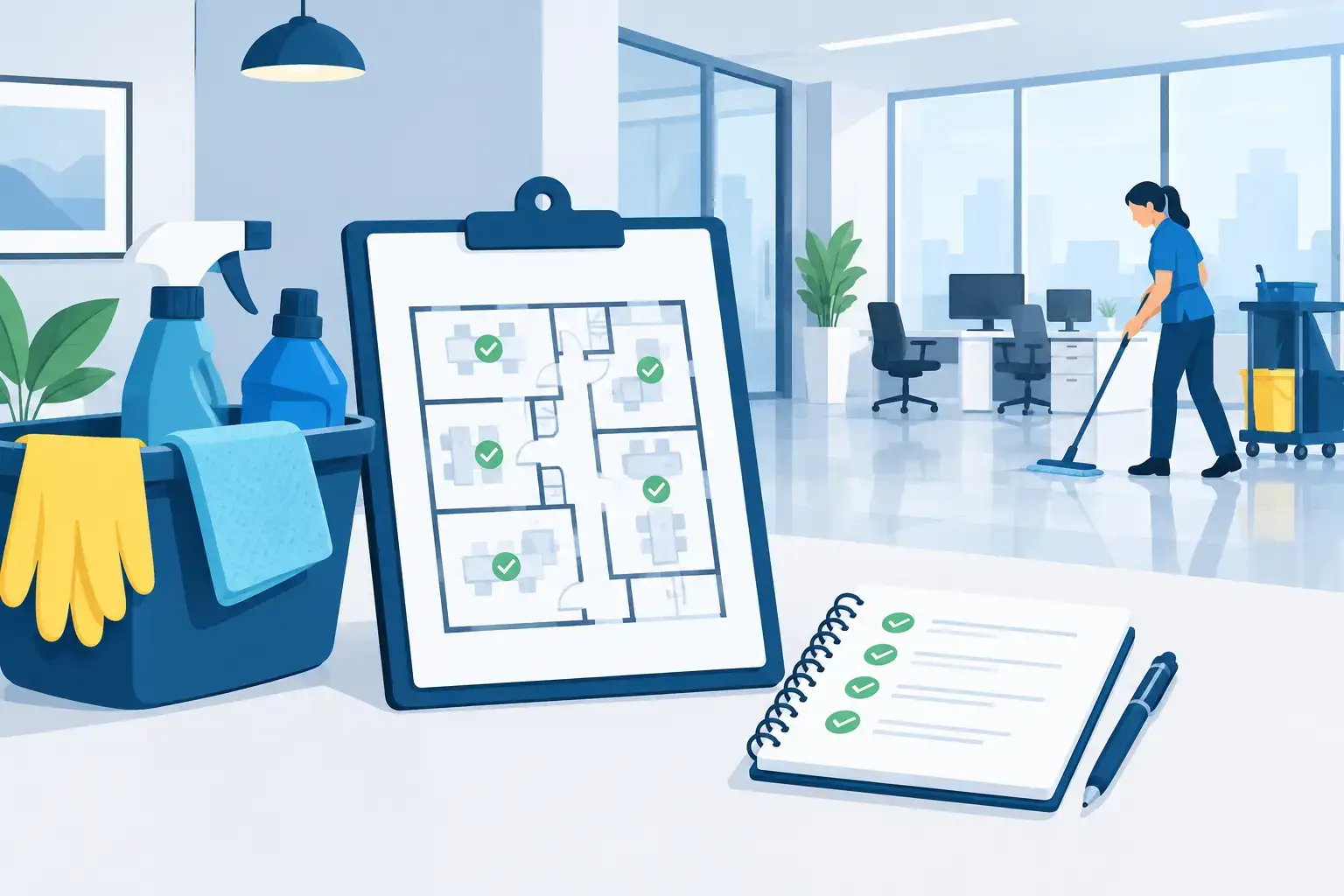
A room-by-room checklist keeps standards consistent across properties. It is particularly useful for recurring service, new staff members, remote owners, and high-volume rental portfolios. But a checklist cannot replace a trained eye.
The cleaner or supervisor should look beyond the list for property-specific problems. A dripping faucet, damaged blind, leaking refrigerator, pest activity, broken smoke detector, or new wall damage may not be a cleaning issue, but it is valuable information for the property manager. Reporting these observations quickly can prevent greater damage and reduce vacancy time.
Keep the checklist practical. It should identify required tasks, optional add-ons, supply replenishment, damage observations, and final approval points. If it is too long or too vague, it will be ignored. If it is too rigid, it can prevent the team from giving extra attention where the property actually needs it.
Add Quality Control Before Releasing the Property
Final quality checks are where a professional cleaning workflow proves its value. Before the property is released for a new resident, guest, employee, or showing, inspect it from the perspective of the person walking in for the first time.
Open the refrigerator, microwave, cabinets, closets, and drawers. Check mirrors and glass for streaks. Look at floors in natural light. Run water briefly in sinks and showers. Make sure toilets are clean, trash is removed, and no cleaning supplies or equipment have been left behind.
Photos can be useful for vacant units, turnovers, and owner reporting. They create a record of condition and make it easier to communicate when a maintenance issue or heavy cleaning concern is discovered. Photos should support the process, not slow it down. A few clear images of key rooms and any exceptions are often enough.
Create a Fast Exception Process
No cleaning workflow is perfect if it assumes every property will be ready as planned. The key is knowing what happens when it is not. A manager should have a simple process for issues such as delayed access, excessive trash, active repairs, pest concerns, damage, missing linens, or an unexpectedly heavy clean.
The cleaning team should notify the designated contact promptly, explain the issue clearly, and provide photos when helpful. The manager can then approve extra time, arrange maintenance, reschedule a task, or adjust the next step. Fast communication is more useful than discovering a problem after a new tenant has arrived.
For properties across Palm Beach County, this responsiveness can be especially valuable during busy seasonal periods, when turnover schedules are tight and service providers are in high demand. A dependable local cleaning partner helps managers keep control of the schedule without lowering standards.
Choose a Cleaning Partner That Supports Your Operations
Price matters, but the lowest quote does not always produce the lowest operating cost. Missed details, inconsistent arrivals, poor communication, and repeat cleanings can cost more than a properly scoped service completed right the first time.
Look for a cleaning provider that can handle recurring cleaning, deep cleaning, turnover service, office cleaning, post-construction cleanup, and detail services as your needs change. They should provide straightforward communication, clear service expectations, and a final quality check before the job is marked complete. Roenter Clean works with property managers who need that level of dependable, detail-focused support.
A well-run cleaning process gives you more than a cleaner property. It gives your next resident, guest, or client a better first impression and gives your team one less issue to chase. Start with a clear scope, allow enough time for detail work, and make final inspection a non-negotiable part of every turnover.